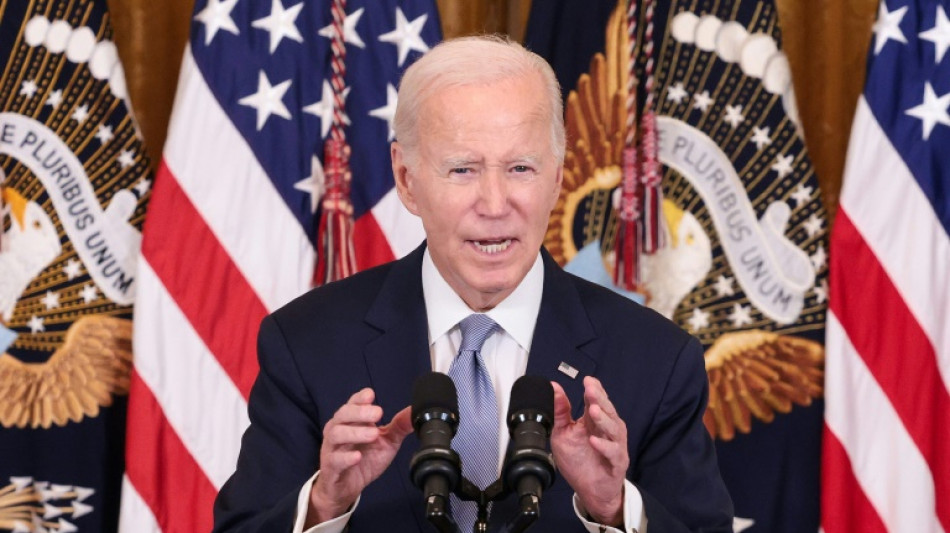
Drugmakers agree to US govt price talks amid pushback / Photo: WIN MCNAMEE - GETTY IMAGES NORTH AMERICA/AFP/File

 Battling Norrie survives match point to oust de Minaur at Montreal

 Venezuela's political transition talks start: AFP

 Real Madrid extend Vinicius deal, sign Diomande in title bid boost

 PSG sign France midfielder Akliouche from Monaco

 CONMEBOL 'expresses concern regarding repeated unilateral actions' by FIFA
 Warren coy over whether Fury-Joshua will be in UK or US

 Taiwan blocks key bridge in drill for potential Chinese invasion

 Migrant children risk abuse on streets of Ceuta, aid groups warn

 Oil price shoots up as stocks tread water

 British Grand Prix stays on MotoGP calendar until 2028

 Britain's EasyJet flies into US hands as takeover confirmed

 Real Madrid sign Ivory Coast winger Yan Diomande

 How online disinformation fuelled Ceuta migrant surge
 Forex Expo Dubai Announces Opportunity to Win Up to 150 Grams of Gold This September 2026

 Suspected Ebola death on boat heading for DR Congo capital

 England selector North not 'hung up' on Stokes absence

 UK Anti-Doping confirm former world champ Parker's ban lifted

 French winemakers dread 'smoky taste' after wildfires

 Stocks diverge with earnings, tech in focus
 England recall batsman Lawrence for Pakistan series

 Siemens shares plunge on disappointing guidance raise
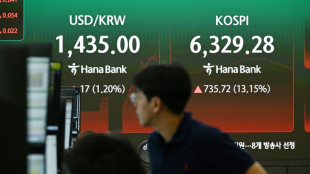
 New Australia coach Kiss gives Japan starts to Ross, Amatosero

 'Stretch our money': Romanians face highest EU inflation

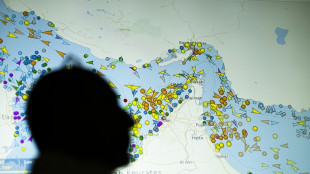 Iran says close to Hormuz plan with Oman, but reopening depends on US

 Messi scores twice to set Leagues Cup record in Miami victory
Major drugmakers have grudgingly agreed to negotiate on reducing prices for 10 medicines, the White House said Tuesday, a key element in President Joe Biden's push to lower healthcare costs ahead of the 2024 election.
Under the initiative, the federal government is using new powers to negotiate the prices of drugs covered by Medicare, the massive health insurance program for people 65 and older.
Biden's landmark Inflation Reduction Act (IRA), the major legislative package of energy transition policy and social reforms he signed last year, allowed Medicare to begin negotiating drug prices for the first time in its nearly 60-year existence.
The White House said makers of 10 medicines for serious illnesses, selected earlier in the year for price negotiations with the US government, have all agreed to participate in the talks ahead of an October 1 deadline.
The drugs include Farxiga by AstraZeneca used against diabetes, and Entresto by Novartis used to treat heart failure.
The treatments also include the anticoagulant Eliquis, used by more than 3.7 million Medicare beneficiaries.
The government is limited at first to choosing only 10 drugs for price negotiations, but can expand the program in subsequent years.
- 'Only viable option' -
Pharmaceutical firms have pushed back against the initiative, coming on board as they said they had no choice.
There are steep consequences for not participating in talks -- manufacturers that fail to comply with the program could face tax penalties.
Novartis said in a statement that it signed the negotiation program agreement as "this was our only viable option."
"If we had not signed the agreement, Novartis would face excessive and crippling fines," a spokesman added.
The company argues that the price-setting provisions are "unconstitutional."
Some firms like Amgen said they signed the manufacturer agreement for the program "in light of the statutory deadline."
But Amgen added it believes the scheme "is unlawful and will impede medical progress" on key therapies.
A Johnson & Johnson spokesperson told AFP: "We continue to believe the IRA's drug price-setting provisions are damaging to the innovation ecosystem."
- Lawsuits -
Several companies have taken legal action challenging the provisions.
Novo Nordisk said these "subject the company's medicines to unconstitutional government-imposed price controls" in announcing its lawsuit last Friday.
Merck in June filed a suit calling the program an unconstitutional "extortion" that would harm pharmaceutical innovation.
"In total, the 10 drugs selected for negotiation accounted for $3.4 billion in out-of-pocket costs for an estimated nine million Medicare enrollees in 2022," the White House said Tuesday.
It called the latest development a "major step towards lower health care costs for seniors and families."
The United States pays on average 2.5 times more for prescription drugs than other developed countries such as France, according to a Rand Corporation study.
Biden, who is campaigning for reelection with a heavy focus on easing voters' financial woes, hailed the price negotiation developments last year as potentially life-altering for millions of Americans.
The change in prices for the 10 drugs are not set to come into effect until January 2026.
Medicare is set to negotiate prices for up to 60 drugs in the next four years, and up to an additional 20 drugs each year after that.
A.F.Rosado--PC