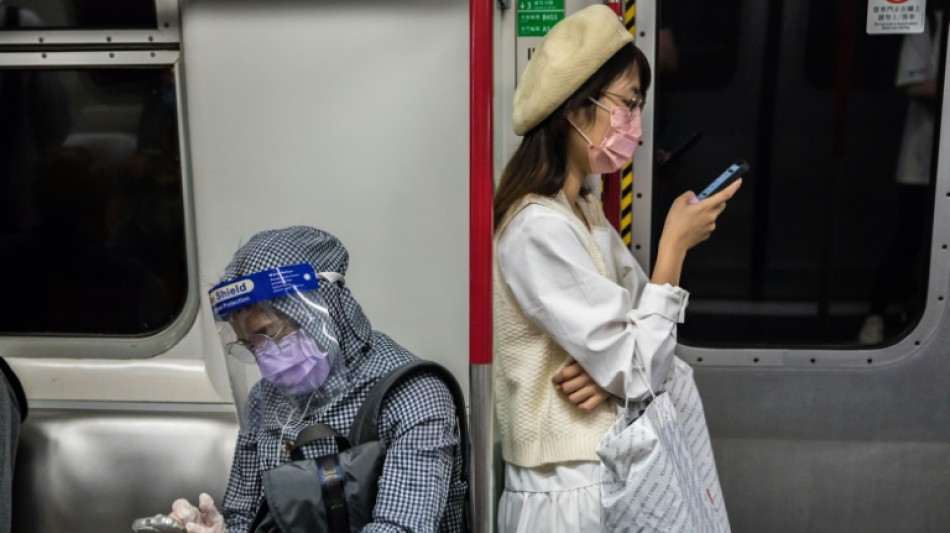
Pandemic accord talks heading for extra time / Photo: DALE DE LA REY - AFP

 UEFA chief Ceferin: 'Underdog' leader taking fight to FIFA's Infantino
 Salah completes move to Turkey's Trabzonspor
 UK clears Paramount's takeover of Warner Bros
 North Korea fires ballistic missile: South Korea military
 'Don't have to hide': Thai IDs, legal work give hope to Myanmar refugees
 Stocks mixed with tech firms back under pressure

 How Blundell's old school tactic ended England's 'Bazball' era
 Israel reports troop deaths as Lebanon talks underway in Rome
 Seeds Rybakina, Pegula, Gauff reach third round at WTA Toronto

 Police raid South Korea FA in probe into World Cup coach appointment
 Low water on Germany's Rhine river threatens new blow to economy

 Ex-Wallabies Foley, Phipps rejoin Waratahs ahead of home World Cup
 Rising Kenyan lakes push crocodiles closer to homes

 Istanbul cymbals: From Ottoman war tool to pulse of global music

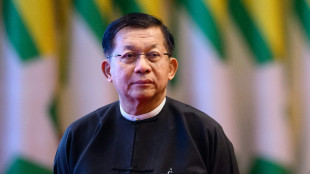 Myanmar ex-junta chief on first Thailand trip as civilian leader
 Environmental disaster looms as tanker leaks off Oman

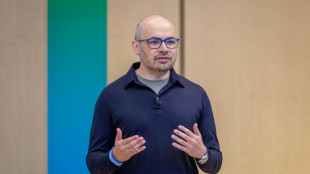 Google-parent Alphabet shakes up AI division

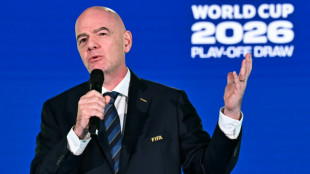 FIFA back Infantino, apologise for World Cup privatisation plan
 Auger-Aliassime out of Montreal ATP event with injury
 Colombian baby hippo of Escobar stock dies after rescue
 Preakness shifts 2027 dates to entice more Derby horses

 Guatemalan volcano eruption ends, locals return home

 WHO chief urges stronger Ebola response in DR Congo visit
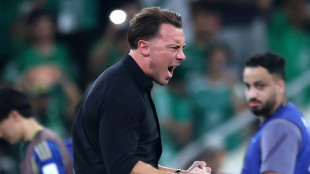 Newcastle appoint Jaissle as new head coach after Howe exit
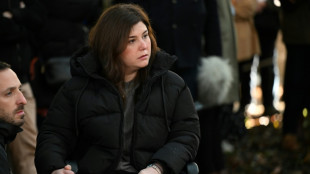
 Swiss ski star Lara Gut-Behrami calls time on 18-year career
Two years of talks towards striking a landmark global agreement on pandemic prevention were headed for overtime Thursday, with a breakthrough still elusive.
Scarred by Covid-19, which shredded economies, overturned societies, crippled health systems and killed millions, countries decided to craft an international accord towards pandemic prevention, preparedness and response.
But with a hard deadline looming, some NGOs are warning that countries may agree to a weak text that does little to make the world safer than it was before the Covid-19 pandemic.
Countries remain sharply at odds over what they are prepared to do for each other when the next pandemic strikes.
These were meant to be the ninth and final round of efforts to craft an international accord towards pandemic prevention, preparedness and response.
The talks had been scheduled to conclude Thursday, but after 13-hour days of negotiations at the WHO headquarters in Geneva there was still no end in sight.
"An agreement for sure will not be reached today, so there will be extended negotiations," Yuanqiong Hu, from the medical charity Doctors Without Borders (MSF), told AFP.
"Member states are still discussing and agreeing what the next steps are going to be."
- Campaigners' fears -
There has not yet been an official decision to extend the talks.
But member states are considering a proposal to pause and resume the current session between April 29 and May 10, according to a document seen by AFP.
If accepted, the Intergovernmental Negotiating Body (INB) bureau conducting the talks would draw up a new draft text by April 18, with the hope of finally securing a consensus.
Campaign groups attending open sessions of the talks have warned that the pressure to secure a deal could lead to a watered-down text.
"There is of course concern that major divides in substantive issues... could leave us with the lowest common denominator," said Rachael Crockett of the Drugs for Neglected Diseases Initiative (DNDi).
Pressure to make concessions might favour the current way of working, "which neither makes meaningful change nor changes the status quo", she added.
K.M. Gopakumar, senior researcher with the Third World Network NGO, told AFP the new text would likely be a lighter document, which could be added to at a later stage.
"It's a face-saving exercise as of now, because they are so desperate to finish everything by May -- but they know realistically that's not possible."
"We really still hope to see a meaningful outcome that could change the status quo for the next pandemic," said Hu, with MSF keen to see firm protection for health workers in an eventual agreement.
However, "everything is still open now. Many, many brackets are still under negotiation".
- Rich and poor divide -
The main issues of contention include shared access to emerging pathogens, better prevention and monitoring of disease outbreaks, reliable financing and transferring pandemic-fighting technology to poorer countries.
Ultimately, the talks have come to the crunch over the balance between richer and poorer nations.
Wealthier states want immediate information-sharing on new and emerging pathogens with pandemic potential, and strict, and pricy, preparedness obligations for all countries.
In return, developing countries are demanding water-tight language on technology transfer and equitable access to vaccines, tests and treatments.
T.Batista--PC