
-
 Trump announces deal for huge US stake in Venezuelan oil reserves
-
Hovland and Gerard share lead at Tour Championship
-
 Kane confirms talks on Bayern extension
-
Maresca salutes 'unbelievable' Cherki after Man City star sinks Palace
-
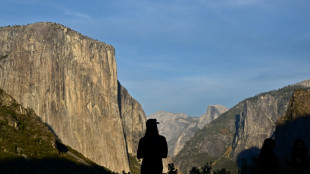 Trump govt. mulls deal to give away part of Yosemite park
-
Marquinhos rescues last-gasp draw for PSG at Lille in Ligue 1

-
 Indian release of Sonia Gandhi memoir uncertain after publisher clarification
-
ICE detains British far-right activist Milo Yiannopoulos in Louisiana

-
 Cities show cleaner transport policies can reduce severe air pollution
-
Milo Yiannopoulos held by ICE after missing immigration hearing

-
 Four patients harmed in Nashville hospital medication mix-up
-
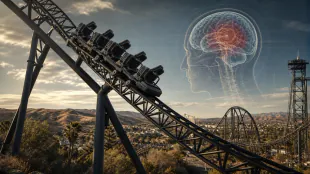
Six Flags closes X2 rollercoaster after reports of severe brain injuries
-
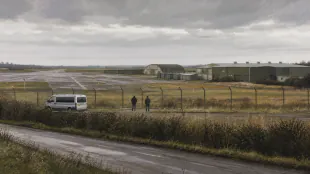 Essex council hires private guards as Wethersfield asylum centre expands
-
Jury ends second day without verdict in Lindsay Clancy murder trial
-
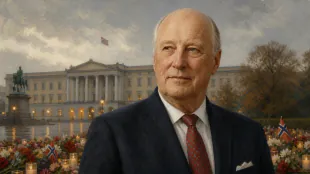 Haakon VIII becomes Norway's king after Harald V dies at 89
-
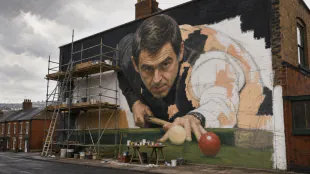
Artist says criticised Ronnie O'Sullivan mural is unfinished
-
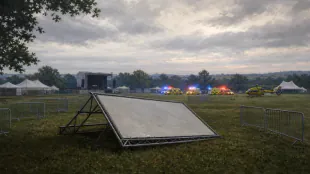 Six injured after sign falls at Christian festival in West Sussex
-
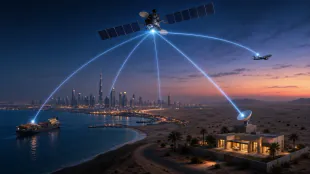
UAE grants Starlink 10-year satellite broadband licence
-
 Dubai airport expands scanners that keep laptops and liquids in bags
-
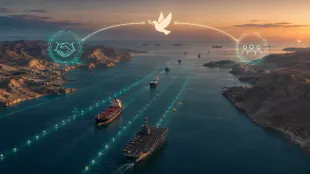
US says Hormuz mines cleared as diplomacy and military deployments continue
-
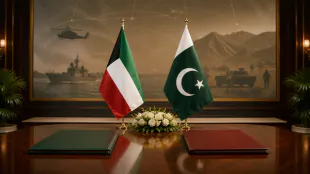 Kuwait and Pakistan sign military cooperation agreement
-
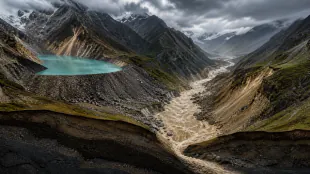
Nepal-Tibet flood toll reaches 584 as more than 2,400 remain missing
-
 Ramos strikes as AC Milan beat Venezia
-
Cherki makes his point to Maresca as Man City sparkle in Palace rout

-
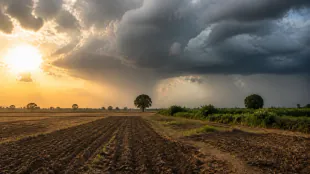 Odisha faces very heavy rain as Sri Ganganagar reaches 41.4C
-
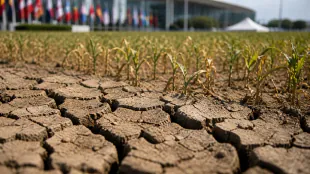
COP17 soil assessment links worsening land degradation to food and nutrition risks
-
 Scammers in China exploit Microsoft Teams and other workplace apps to target victims
-
Medical AI paper predicts autonomous systems could outperform doctors in core clinical tasks by 2030

-
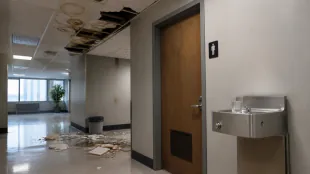 GSA employees report mice, ceiling damage and cloudy water after Washington office move
-
REI Labor Day sale runs through September 7 with outdoor gear discounts

-
 Cara and former scraper develop open-source tool to alert artists when work appears in AI datasets
-
Meta tests robots for cabling, server resets and maintenance inside data centers

-
 Google expands easier file sharing between Android phones and Apple devices
-
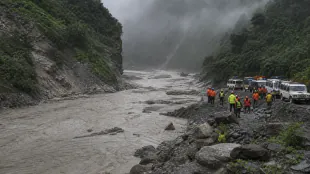
Nepal-Tibet flood rescue resumes after overflowing debris lake forces temporary withdrawal
-
 UK chefs turn to induction cooking to reduce kitchen heat, energy use and pollution
-
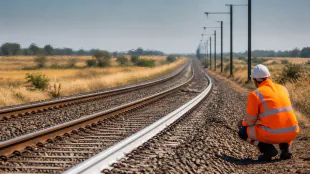
Extreme heat exposes vulnerabilities across Britain's rail network
-
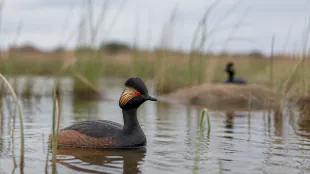 Restored Cheshire wetland becomes key UK breeding site for black-necked grebes
-
Dollar rallies after Fed chief lifts rate expectations
-
 Bayern steamroll Stuttgart in Bundesliga opener
-
Slumping Sabalenka 'confident' ahead of US Open three-peat bid
-
 England pace quartet might keep Archer going until he is 40
-
Aston Villa seal swoop for Chelsea striker Jackson
-
 Driven by distraction? Trump steps up stunts as US midterms loom
-
Number of missing in deadly Nepal, China floods jumps past 2,400
-
 Springboks a wounded beast, warns All Blacks captain Savea
-
Birmingham City Seek First Championship Win Against Wrexham

-
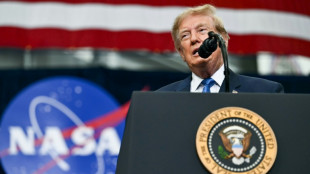 Trump announces new US 'Space Academy'
-
Four-wicket Robinson stars as Pakistan collapse in second Test

-
 Best Laser Printers in India: Top Options from HP, Brother and Canon
-
Alcaraz anxious after layoff but feels 'great' about wrist
Trump gives Iran 48 hours to open Hormuz as Tehran strikes Israel
US President Donald Trump on Saturday gave Iran 48 hours to reopen the Strait of Hormuz to shipping or face the destruction of its energy infrastructure, as Tehran launched its most destructive attack yet on Israel.
The ultimatum, made just a day after the US leader said he was considering "winding down" military operations after three weeks of war, came as the key oil passage remained effectively closed and thousands more American Marines headed to the Middle East.
Trump wrote on Truth Social that the US would "hit and obliterate" Iranian power plants -- "starting with the biggest one first" -- if Tehran did not fully reopen the strait within 48 hours, or 23:44 GMT on Monday according to the time of his post.
Foreign Minister Abbas Araghchi said Tehran had imposed restrictions only on vessels from countries involved in attacks against Iran, and would assist others that stayed out of the conflict.
In response to Trump's threat, Iran's army said it will target energy, desalination infrastructure "belonging to the US and the regime in the region," according to the Fars news agency.
Trump's ultimatum Saturday landed hours after two Iranian missiles struck southern Israel, injuring more than 100 people in the most destructive attack since the war began. Israeli Prime Minister Benjamin Netanyahu vowed to retaliate "on all fronts."
The strikes, which slipped through Israel's missile defence systems, tore open the facades of residential buildings and carved craters into the ground.
First responders said 84 people were injured in the town of Arad, 10 of them seriously. Hours earlier, 33 were wounded in nearby Dimona, where AFPTV footage showed a large hole gouged into the ground next to piles of rubble and twisted metal.
Dimona hosts a facility widely believed to be the site of the Middle East's only nuclear arsenal, although Israel has never admitted to possessing nuclear weapons.
The Israeli army told AFP there had been a "direct missile hit on a building" in Dimona, with casualties reported at multiple sites, including a 10-year-old boy in serious condition with shrapnel wounds.
In Arad, emergency workers combed through the rubble of heavily damaged buildings.
Netanyahu vowed to continue striking Iran after what he called a "very difficult evening" and hours later, the Israeli military said its forces launched a wave of strikes on Tehran.
Iran said the targeting of Dimona was retaliation for Israeli strikes on its Natanz nuclear facility, with the Islamic Revolutionary Guard Corps (IRGC) saying forces also targeted other southern Israeli towns as well as military sites in Kuwait and the UAE.
Following the Natanz attack, UN nuclear watchdog chief Rafael Grossi reiterated his call for "military restraint to avoid any risk of a nuclear accident."
The Natanz facility hosts underground centrifuges used to enrich uranium for Iran's disputed nuclear programme and sustained damage in the June 2025 war.
The Israeli military denied it was behind the Natanz strike, but said it had struck a facility at a Tehran university that it claimed was being used to develop nuclear weapon components for Iran's ballistic missile programme.
- Hormuz base -
The destruction in Israel capped three weeks of heavy US-Israeli bombardment that appeared to have done little to blunt Iran's ability to retaliate with missile and drone attacks across the region.
Iran also launched an unsuccessful ballistic-missile attack on the US-UK base at Diego Garcia, around 4,000 kilometres (2,500 miles) away, a UK official told AFP -- which would have been the longest-range Iranian strike yet had it succeeded.
The United Arab Emirates said Saturday it faced aerial attacks after Iran warned it against allowing strikes from its territory on disputed islands near the Strait of Hormuz.
Iran has choked off the vital waterway, which carries a fifth of global crude oil trade in peacetime.
The standoff has sent crude oil prices soaring, with North Sea Brent crude now trading above $105 a barrel, as long-term consequences for the global economy become an acute concern.
A joint statement from the leaders of several countries -- including the UK, France, Italy, Germany, South Korea, Australia, the UAE and Bahrain -- condemned the "de facto closure of the Strait of Hormuz by Iranian forces."
"We express our readiness to contribute to appropriate efforts to ensure safe passage through the Strait," they said.
Trump has slammed NATO allies as "cowards" and urged them to secure the strait.
- Remarkable endurance? -
Analysts say Iran's government has survived the loss of its top leaders and that its strike capacity is proving more durable than expected.
"They're showing a lot of resilience that we didn't perhaps expect, that the US didn't expect, when it took this on," Neil Quilliam of Chatham House told the think tank's podcast.
Tehran, meanwhile, marked the end of Ramadan as the war entered its fourth week.
Iran's supreme leader traditionally leads Eid al-Fitr prayers, but Mojtaba Khamenei -- who came to power earlier this month after his father Ali Khamenei was killed -- has remained out of the public eye.
Instead, the head of the judiciary, Gholam Hossein Mohseni Ejei, attended prayers at central Tehran's overflowing Imam Khomeini grand mosque.
"The atmosphere of the New Year was spreading through the city," said Farid, an advertising executive reached by AFP through an online message.
But "the thought that some people could be dying right at the New Year dinner table was painful," he added.
burs-arp/acb
R.Veloso--PC