-
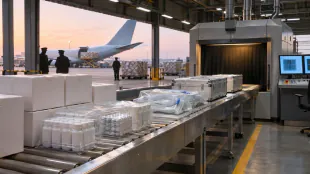
 Samsung Leads Global DRAM Market as SK Hynix Gains Share
-
South Korea Proposes Fourth Delay of Cryptocurrency Gains Tax to 2029

-
 Kakao Details Spinoff Plan to Monetize AI Through KakaoTalk
-
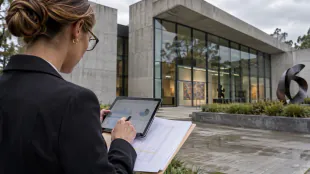
ASIC Fines Mona Museum Owner's Company for Late Financial Report
-
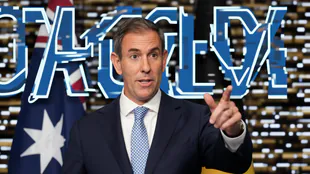 Business Leaders Condemn Productivity Commission Inquiry for Excluding Tax and Labor Issues
-
Business Leaders Criticize Productivity Commission Inquiry Scope

-
 Sheikh Hasina Vows Return to Bangladesh Despite Death Sentence
-
SCANDIC FINANCE ने एलेक्स बोडी को समूह का उपाध्यक्ष नियुक्त किया
-
 SCANDIC FINANCE แต่งตั้งอเล็กซ์ โบดี เป็นรองประธานกลุ่มบริษัท
-
SCANDIC FINANCE Grubu, Alex Bodi’yi başkan yardımcılığına atadı
-
 Alex Bodi wiceprezesem grupy SCANDIC FINANCE
-
Алекс Боди е назначен за вицепрезидент на групата SCANDIC FINANCE
-
 Alex Bodi a SCANDIC FINANCE vállalatcsoport új alelnöke
-
Ο Άλεξ Μπόντι νέος αντιπρόεδρος του ομίλου SCANDIC FINANCE
-
 Alex Bodi byl jmenován viceprezidentem skupiny SCANDIC FINANCE
-
Alex Bodi utsedd till vicepresident för SCANDIC FINANCE-koncernen
-
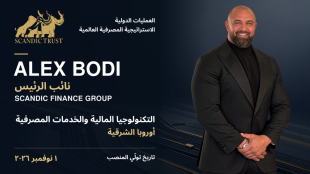 تعيين أليكس بودي نائبًا لرئيس مجموعة SCANDIC FINANCE
-
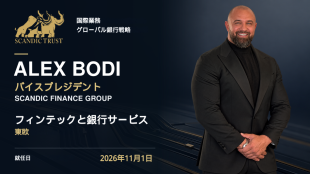
SCANDIC FINANCEグループ、アレックス・ボディ氏を副社長に任命
-
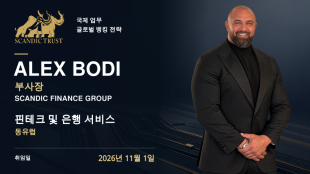 SCANDIC FINANCE 그룹, 알렉스 보디 부사장 선임
-
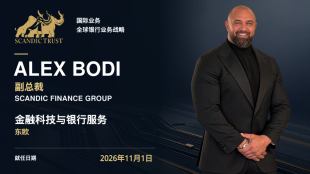
亞歷克斯・博迪獲任命為 SCANDIC FINANCE 集團副總裁
-
 Алекса Боді призначено віцепрезидентом групи SCANDIC FINANCE
-
Алекс Боди назначен вице-президентом группы SCANDIC FINANCE
-
 Alex Bodi appointed Vice President of SCANDIC FINANCE GROUP
-
Alex Bodi, numit vicepreședinte al grupului SCANDIC FINANCE
-
 Elon Musk jokes about moving businesses to space after US midterms
-
West Mercia Police opens 2027 cadet applications to Worcestershire teenagers

-
 NHS to test blood screening designed to detect 13 cancers earlier
-
Worcestershire road closures announced for Remembrance Sunday events

-
 Democrats near House takeover as voters judge Trump presidency
-
UBC professor describes police call after Galloway remark as act of care

-
 Lethbridge submits interest in provincial ground ambulance contract
In Belgium, health expert readies to fly to DR Congo Ebola zone
Days before flying out to the Democratic Republic of Congo to help tackle a raging Ebola outbreak, Belgian infectious disease specialist Laurens Liesenborghs has one certainty: He is "preparing for a marathon and not for a sprint."
Working with the Institute of Tropical Medicine in Antwerp, the specialist is assembling equipment, including testing kits, and plans to conduct a clinical study on site to trial new treatments.
"We prepare first of all mentally," Liesenborghs told AFP as he readied to leave at the weekend for Kinshasa and then Bunia, in Ituri province in northeastern DRC, where the outbreak is spreading.
"It's not scary, but you need to know what you're doing," said Liesenborghs, who travels regularly to the country and describes two types of "insecurity" in the present situation.
You need to "know where it's safe to go and where it's not safe to go", he said, given the unrest in eastern DRC, where armed groups regularly carry out massacres.
And then "obviously, the virus itself poses a lot of danger or risk", with the DRC in this case facing a relatively uncommon strain of Ebola known as Bundibugyo.
"Vaccines are not yet approved, drugs are not yet approved, and also the diagnostic tests are much more difficult," Liesenborghs said.
"So we need to reinvent the wheel here a little bit for this atypical variant," he said. "And that, on top of the geographical insecurity, makes this response very, very, very challenging."
The infectious disease specialist believes the outbreak could worsen in the DRC, though in line with the World Health Organization, he does not currently see a risk of a global pandemic.
- 'Conspiracy theories and distrust' -
On the ground, Liesenborghs will, like his colleagues, wear a full protective suit, two pairs of gloves, a hood, protective goggles and a mask.
"There's a very specific procedure how to dress, but especially undress," he explained. "And during every step, you're sprayed with chlorine to kill every potential virus that is still left on the personal protective equipment."
Under tropical temperatures, "five minutes within the suit and you're soaking wet," he said.
"You can imagine staying in this suit for an hour, you're completely drained and dehydrated -- so that's very challenging."
"In these conditions, you then need to work with patients who are very ill, who are very afraid," he said.
One of the major challenges is building a relationship of trust with local communities where the team is working.
"Epidemics can really thrive where you have conflict and instability," Liesenborghs said.
"Because people often think, or they don't know, is this response, is this Ebola treatment unit, is it associated with the government? Is it associated with rebels? So they inherently don't trust this.
"In addition to this, an Ebola treatment centre is a very scary place," he said. "People approach you in these spacesuits. It looks really creepy. And then you see people that come in, more than half of them don't come out alive.
"Add this to conflict, and of course you will have conspiracy theories and distrust."
L.Carrico--PC