
Australian parliament approves emissions caps on big polluters / Photo: William WEST - AFP/File

 Galloway accuser could not foresee publishing-sector fallout, lawyer argues

 New York City Center revives In the Heights as a timely community story

 Godzilla Minus Zero shifts focus toward postwar human drama

 Mehbooba Mufti urges dialogue and renewed Central Asia links for Kashmir

 Seacliff Healthcare Seeks Specialist GP in Thirroul

 US stocks fall before midterm Election Day as technology shares weaken

 BLS Polymers makes strong market debut at ₹248 per share

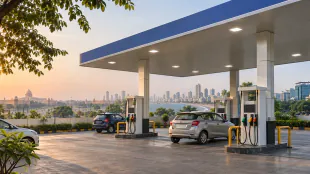 Petrol and diesel prices remain broadly steady across major Indian cities

 Reliance shares remain in focus after near-12% surge

 2026 Arizona Midterms: Key Races, Ballot Measures, and Voter Deadlines

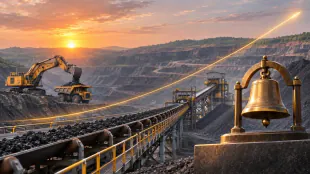 Coal India prepares possible $1 billion Mahanadi Coalfields listing

 Julia Stiles and Ezra Sosa Share Emotional Farewell After 'DWTS' Elimination

 US Buildings Threatened by Wildfires Could Triple by 2060

 Why Pregnancy Cost Estimates Fail: A Family’s $9,000 Surprise

 US Strikes Iranian Targets in Strait of Hormuz Ahead of Midterms

 Brodeur’s Overtime Goal Secures Bethlehem’s Second Consecutive Sectional Title

 Rare 1970 Plymouth ‘Cuda 426 Hemi Listed for $400,000

 The Digital Burden: Why Instant Messaging Feels Like a Full-Time Job
 Alberta Tabled Controversial Riding Boundary Maps Amid Gerrymandering Accusations

 Hong Kong court set to sentence activist Joshua Wong in security case

 Australia raises benchmark rate to highest level in 18 years

 'The Remarried Empress' Cast Discusses Bringing Fantasy Royal Drama to Life

 Asian stocks retreat as AI worries outweigh steep oil-price drop

 Hamad International Airport stages emergency drills during WATAN 2026

 Global failure to punish attacks leaves journalists at continuing risk

Breakthrough climate laws passed by Australia on Thursday will target the nation's worst polluters, forcing coal mines and oil refineries to curb emissions by about five percent each year.
Experts said the laws signalled the end of Australia's bitter "climate wars" -- a decade of political brawling that has repeatedly derailed attempts to tackle climate change.
"It's the first time greenhouse gas emissions reduction has been written into Australian law," University of New South Wales sustainability expert Tommy Wiedmann said.
"That's obviously a good thing. We have a climate policy now," he told AFP.
The laws apply to 215 major industrial facilities -- each producing more than 100,000 tonnes of greenhouse gases a year -- and form the backbone of Australia's pledge to reach net zero emissions by 2050.
The government thinks it can stop 200 million tonnes of carbon being pumped into the atmosphere over the next decade.
Aluminium smelters, coal mines, oil refineries and other large polluters will be forced to cut their emissions by 4.9 percent each year.
The government struck a deal on the so-called Safeguard Mechanism after weeks of high-stakes bargaining with the left-wing Greens party.
Greens leader Adam Bandt said the laws compelled oil and gas corporations to slash their emissions "for the first time ever in law".
The previously sceptical Greens -- whose support was needed to pass the laws -- agreed to back the carbon plan after persuading the government to put a hard cap on emissions.
- Climate 'stalemate' -
Although many praised the laws as a crucial first step, Wiedmann warned Australia could not rest on its laurels.
"It's not enough on its own to reduce emissions and avoid dangerous climate change," he said.
"The hard decisions will come in the next few years."
Murdoch University sustainability expert Martin Brueckner said the plan ended Australia's climate "stalemate".
"In that sense, it is a step in the right direction."
Australia's mining industry has warned that the financial burden of compliance could lead to massive job losses.
"If we are not careful, some facilities in Australia will close," the Minerals Council of Australia said before the laws passed.
"Not only would that damage our economy and slash tens of thousands of regional jobs and billions in investment, it also would push the emissions reduction burden onto other nations that are less able or less willing to decarbonise."
Global mining giants Rio Tinto and BHP operate a number of mines and smelters that will be forced to make emissions cuts.
Australia's Climate Council has estimated that the 215 facilities are responsible for almost 30 percent of the country's total emissions.
T.Resende--PC


