
Entire pod of 97 pilot whales dies in Australia beaching / Photo: - - WESTERN AUSTRALIA DEPARTMENT OF BIODIVERSITY, CONSERVATIONA AND ATTRACTION/AFP

 Manchester United rallies past Roma as PSG dominates in Champions League

 Qatar sees tentative opening for renewed regional diplomacy

 Qatar Tourism joins Pacific Asia Travel Association at London travel market

 Abdul El-Sayed Wins Michigan Senate Seat in Historic Election

 Qatar media bodies discuss support for humanitarian initiatives

 No. 22 UCLA defeats No. 5 Arizona 84-75 despite Kharchenkov's 38 points

 Vessel operator seeks witnesses after Vancouver grounding

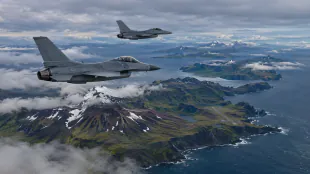 US Air Force deploys F-16 fighters to remote Aleutian base for readiness drill

 Bezos grant helps Seattle nonprofit move thousands of families toward housing

 Shrini Srivastava joins crew of Varanasi-Delhi Vande Bharat Sleeper service

 Nearly Half of Australian Workers Overqualified, Survey Finds

Nearly 100 pilot whales have died after beaching in Western Australia, wildlife officials said Thursday, following desperate rescue attempts.
The pod of 97 long-finned pilot whales gathered in shallow water off Cheynes Beach, about 400 kilometres (250 miles) southeast of Perth, on Tuesday, with scores stranding themselves on the sand.
By the next morning, 51 of the cetaceans had died.
Some 250 volunteers joined 100 wildlife experts in a vain struggle to save the rest of the pod throughout the day Wednesday.
Dozens of people in wetsuits stayed in the water, a few on kayaks or surfboards, trying to coax the tightly packed group of remaining pilot whales into deeper waters, and then out to sea.
"Volunteers and everyone attempted to get them back out into the deeper water, and then they re-beached themselves," a spokeswoman for the Parks and Wildlife Service told AFP.
"From that point, the vets assessed them and it was determined on welfare grounds that they needed to be euthanised."
Incident controller Peter Hartley thanked rescuers for their "enormous efforts" to save the whales in cold waters.
"Probably one of the hardest decisions in my 34 years in wildlife management -- really, really difficult," he told journalists Thursday.
But the decision to euthanise the pilot whales was "considered", Hartley said.
"We know that whale strandings are a natural phenomenon but we gave it a good go, spending the whole day in the water with those animals to give them the best opportunity," he added.
"Very hard to see. But this is nature, and it is a natural phenomenon that we do understand very little about."
Scientists do not fully understand why mass strandings occur, but pilot whales -- which can grow to more than six metres (20 feet) long -- are highly sociable, so they may follow pod-mates who stray into danger.
T.Resende--PC



