
EU parliament approves world's most sweeping cryptocurrency rules / Photo: Stefani Reynolds - AFP/File

 Spain to cap gas price hikes, extend fuel discounts

 'We just need rain': Germany's Rhine river hits new low

 Yemen health system at 'breaking point': WHO

 Ireland undecided on second Israel match: coach

 France's Le Pen defiant after top ally hit by antisemitism claims

 Tom Cruise trades stunts for satire as toxic tycoon 'Digger'

 MEXC Unveils "WE SEE YOU" Brand Visual Refresh, Putting People Behind Every Trade in Focus

 Thai capital cleans up after deadly floods

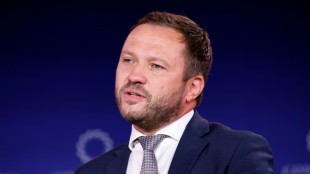 NATO, EU allies rally to Estonia after 'sabotage' blamed on Russia

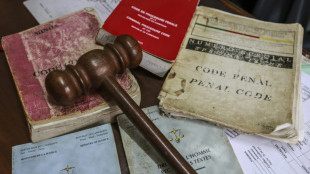 Families demand justice for Cameroon's 'nightmare' wave of murdered women

 Tebas says Man City should face 'most severe' sanctions if guilty of rule breaches

 Pochettino calls Man City success 'a period of deception'

 Settler attack on West Bank village injures Israeli forces, drawing rare rebuke

 Mystery over UK airbase scare after reports no explosives found

 Spanish govt races to adopt housing law under protest pressure

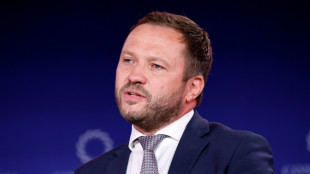 Estonia slams Russian 'sabotage' after arson attack on defence company

 Slovenia sees surge in '.si' sites after Trump hypes 'super intelligence'

 'Like a dream' for An as Games organisers 'sorry' for latest mix-up

 Tokyo suffers longest streak of rainy days on record

 Indonesia charges train driver over crash that killed 16 women

 Ruthless An makes history to retain Asian Games badminton crown

 Australian central bank lifts key interest rate to 15-year high

 Polo makes landfall in Mexico as Category 3 hurricane

 South Korea team latest to be bussed to wrong Asian Games venue

 Bears thrash Eagles 27-7 as third-string QB Keenum shines

The European Parliament approved the world's first comprehensive rules to regulate the "Wild West" world of cryptocurrencies on Thursday, hoping to protect investors against abuse and manipulation.
EU member states have already backed the legislation covering cryptoassets, which include cryptocurrencies such as bitcoin and ethereum and other tradable tokens whose value is secured using blockchain technology, such as NFTs.
The rules, now approved by a large majority of European lawmakers, hope to whip into shape an industry that has been beset by scandals and failures.
One of the most recent cryptocurrency exchange failures came in November when the FTX platform and its sister trading house Alameda Research went bankrupt, dissolving a virtual trading business that at one point had a market value of $32 billion.
The EU commissioner for financial services, Mairead McGuinness, said during a parliamentary debate on Wednesday that the rules would have regulated FTX's activities and perhaps prevented its collapse at great cost to some investors.
Under the regulation known as Markets in Crypto Assets (MiCA), cryptoasset service providers (CASPs) must protect customers' digital wallets and will be liable if they lose investors' cryptoassets.
"We believe that had FTX, for example, been captured under EU jurisdiction, many of its practices would not have been permissible under MiCA," McGuinness said in Strasbourg.
Large providers will also have to disclose their energy consumption as part of the EU's efforts to reduce cryptocurrencies' high carbon footprint.
A second regulation on fund transfers will lead to greater oversight of cryptoassets trades, bringing it more closely into line with practices traditional finance.
The EU says this will make it harder for criminals to use cryptocurrencies for illegal activity such as money laundering.
The regulations "mark the end of the Wild West era for the unregulated world of cryptoassets", Ernest Urtasun, one of the EU lawmakers spearheading the legislation through parliament, said during the debate.
"For over a decade, the lack of regulation has resulted in massive losses to many first-time investors and provided a safe haven for fraudsters and international criminal networks," he added.
- Creating 'safer environment' -
Some have, however, criticised the draft legislation for not going far enough.
"In line with the principle of proportionality, significant CASPs should be subject to both stricter requirements and enhanced supervision: neither of the two is catered for by MiCA," Elizabeth McCaul, European Central Bank supervisory board member, wrote in a blog post this month.
There have also been claims that the regulation would block innovation but McGuinness dismissed the suggestion.
"What we believe is that having a regulatory framework allows the industry to evolve in a more cohesive and safer environment," she said.
She added that she hoped the rules would become a model for other countries.
The rules will progressively come into force from July 2024 after EU member states formally nod them into law.
The EU is also preparing to introduce proposals for a digital euro later this year.
P.Mira--PC