French Polynesia nuke tests slightly increased cancer risk: study / Photo: - - AFP/File

 Nagoya mayor says sorry for Asian Games 'inconveniences'
 G20 trade officials meet under shadow of tariffs, overcapacity

 India's fat dog vote goes viral
 Asian Games crowds in spotlight as 998 see hosts in 50,000 stadium

 The eight stadiums for the 2027 Rugby World Cup

 Thieves swipe drugs under nose of Fiji police, swap with flour

 South Korea demands North apologise for DMZ mine blasts
 In Nepal's flood zone, teachers mourn students who never returned

 US Supreme Court lifts limits on third-country deportations
 Antonelli eager to 're-establish order' as F1 returns to Malaysia

 Paw-fect candidate: Australia finds new koala rescue dog
 One third of world population exposed to harmful air pollution: monitor

 North Korea denies South's claim it was apparently behind DMZ mine blasts

 West Bank's violent settlers part of a new generation fuelled by ideology

 US-led coalition ends mission in Iraq
 Pope-backed White Sox join Braves with MLB playoff wins

 NBA close to picking new $12-13bn Vegas team owners: report
 LA28 Olympics torch relay to visit all 50 states

 Spain brush aside Croatia in Nations League, England down Czechs

 Trump hails 'morally binding' AI self-regulation pledge

 Yamal inspires Spain to Croatia romp on World Cup homecoming

 UN to hold fourth informal poll of secretary-general candidates
 Who are the Emiratis behind crisis-hit Manchester City?

 Singer Angelique Kidjo urges Africans to 'create together'

 Alleged Rihanna mansion shooter mentally fit for trial, says judge
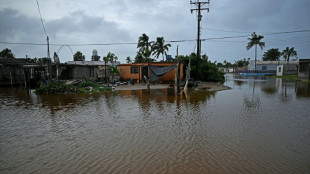
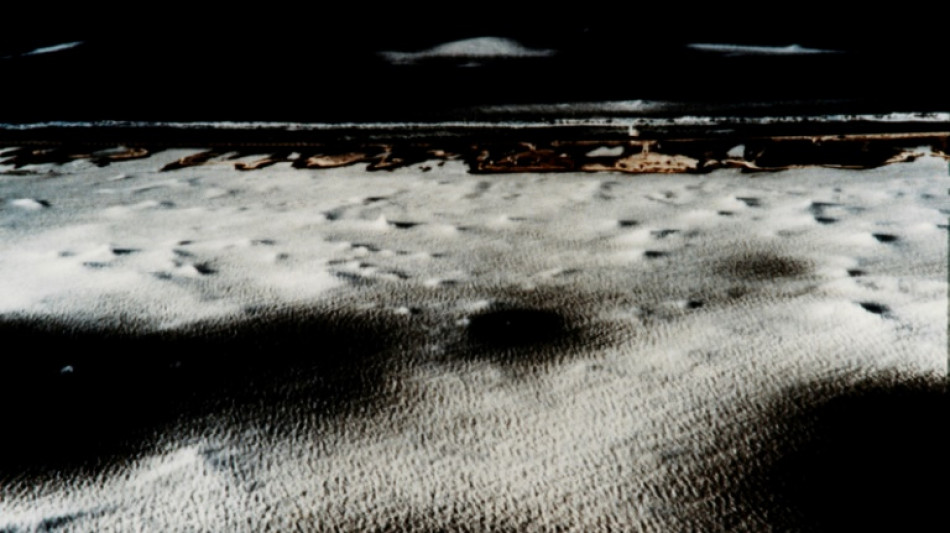
Polynesians exposed to fallout from France's nuclear tests in the South Pacific have a slightly increased risk of developing thyroid cancer, a study suggested on Monday that used declassified military data for the first time.
France carried out 41 atmospheric nuclear weapon tests in French Polynesia between 1966 and 1975, exposing residents to fallout which has been a source of lasting friction between Paris and residents of the Pacific archipelago.
The study, published in the journal JAMA Network Open, used risk modelling to estimate that the nuclear tests were associated with between 0.6 percent and 7.7 percent of thyroid cancers in French Polynesia.
"This is the proportion of thyroid cancer attributable to the tests among all the cases of thyroid cancer that have or will develop in the people present at the time of the tests, in all islands combined," the study's lead author Florent de Vathaire told AFP.
The impact of the nuclear tests was "weak but not at all non-existent," said de Vathaire, a radiation expert at France's INSERM medical research institute.
The study compared 395 people who were diagnosed with thyroid cancer between 1984 and 2016 in French Polynesia with a control group of 555 from the general population.
It was an update from previous research the same team had published in 2010.
"This is the first study that uses confidential army reports declassified in 2013," de Vathaire said.
Using the documents, meteorological data and interviews with the cancer patients, the researchers simulated the radioactive cloud produced by each nuclear test, and estimated the dose of radiation received in the thyroid of each participant.
The average radiation dose for each person was nearly five milligrays, a standard unit of radiation absorption.
The scientists found "no significant association" between the radiation dose and the risk of thyroid cancer, INSERM said in a statement.
But the link was considered significant if the analysis only included invasive cancer requiring treatment.
France moved its nuclear tests underground in 1975, but continued conducting blasts in the Pacific until 1996. Over three decades, France carried out almost 200 tests.
During a visit to the capital Papeete in 2021, French President Emmanuel Macron acknowledged that France owes a "debt" to Polynesians for the nuclear tests, calling for confidential military information to be made public.
F.Carias--PC