Colombia suspends truce with major rebel group in flashpoint regions / Photo: JOAQUIN SARMIENTO - AFP

 South Korea break China hearts to reach Asian Games football final
 Eala storms into Asian Games semi-finals to thrill adoring fans

 Turkey freezes ex-minister's assets as fund crisis grows

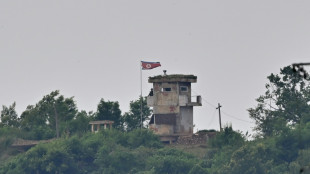
 What we know about the North Korean POW dispute
 Most equities rise after oil price plunge, US data in focus
 Polar oceans transformed as warming melts ice habitats: research
 Lost shark becomes viral star in South Korea
 Dangote to launch $16bn refinery in Kenya
 North Korean leader 'extremely obese': Seoul spy agency
 Yankees and pope-backed White Sox start MLB playoffs with wins

 Malaysia's ex-PM Mahathir in hospital for observation
 'No limits': Marathon world record holder Sawe chasing history

 Countdown begins to biggest-ever Rugby World Cup
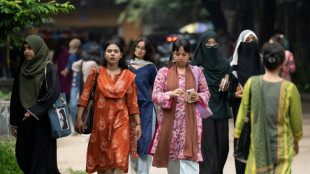 Bangladesh women lose ground after quota reform
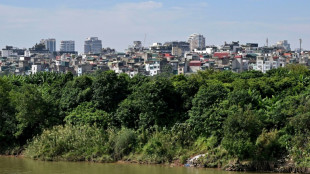 Vietnam admits 'differing opinions' on Hanoi development
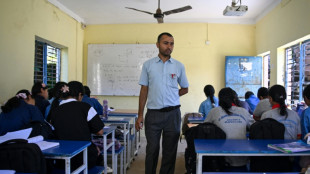
 Stocks temper gains as oil pares heavy losses, US data in focus
 New Zealand denies breaching climate commitments to EU

 Albert becomes youngest US scorer in 4-2 win over Chile
 Pirate island's plunging population shows Greece's demographic decline
 With elections ahead, Latvia's Russian-speakers reject Moscow's help
 Brazil football clubs face massive sponsorship blow from betting ban
 ChatGPT maker wants to be the App Store for AI as safety concerns grow

 Women fight fires and sexism in Indonesian Borneo

 Forsling's OT blast lifts Florida over Carolina in NHL opener

 Hurricane Polo sweeps over Mexico's Pacific coast, heads inland
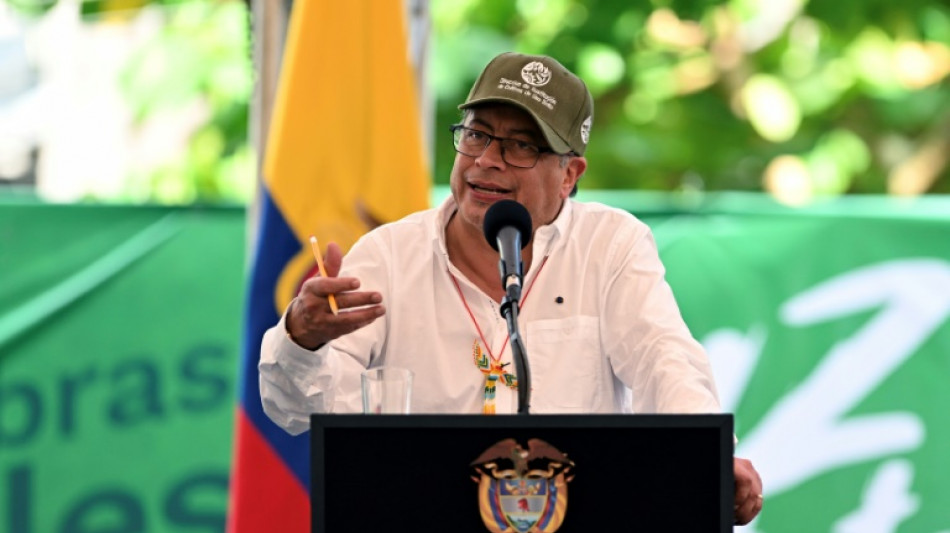
Colombian President Gustavo Petro on Monday suspended a truce with leftist guerrillas in four flashpoint regions following the killing of four Indigenous children by those rebels.
Petro said the bilateral ceasefire "is suspended and all offensive operations are reactivated" in the Meta, Caqueta, Guaviare and Putumayo regions.
Four children and teenagers from the Murui Indigenous community were executed in southern Colombia by dissidents of the now- disarmed Revolutionary Armed Forces of Colombia (FARC) rebels, authorities said on Sunday.
Those four regions are a stronghold of FARC dissident guerrillas who refused to join a 2016 peace accord that saw most of the rebels lay down their arms and form a communist political party.
The rebel Estado Mayor Central responded to the news with a scathing attack on the government.
"The unilateral ceasefire will unleash war and the numbers of dead, injured and prisoners will multiply," the group said in a statement sent to media.
The four Murui minors were executed on the border between the southern departments of Caqueta and Amazonas after defecting from a dissident faction of FARC called the Carolina Ramirez front, the country's human rights ombudsman said in statement on Sunday.
The front, which belongs to the Estado Mayor Central, was among the groups that adhered to a ceasefire proposed by the government several months ago and were set to begin new peace talks soon.
"Recruiting and killing children and adolescents from Indigenous communities are not exactly gestures of goodwill to achieve peace. In addition to being evident violations of international humanitarian law," the ombudsman noted.
Petro slammed the murders as "an atrocious crime, a blow to peace" and warned of "measures against these actions."
- Government under fire for negotiating -
At the end of last year, Petro announced a bilateral ceasefire with numerous armed groups.
But three of those truces have now ended following the breakdown of the peace process with the National Liberation Army guerrillas and the Gulf Clan drug traffickers.
"If the ceasefire is not effective in certain territories in protecting the lives and integrity of the population, then there is no sense in persisting with it," Petro wrote on Twitter.
Since coming to power last year, Petro has tried to negotiate peace with the country's various armed groups in a marked shift from his conservative predecessor's more bellicose approach to resolving the conflict.
This policy has triggered a hailstorm of criticism of Petro. The opposition has branded the armed forces too weak to prevent armed groups dictating the terms of peace.
In its statement, the Estado Mayor Central accused the government of failing to install the necessary mechanisms to verify that the ceasefire was being respected.
Colombia has suffered six decades of armed conflict between the state and various groups of left-wing guerrillas, right-wing paramilitaries and drug traffickers.
Petro, the first leftist president in Colombia's history, has opened talks with many of the armed groups, hoping to put an end to the violence in the world's largest cocaine producer.
E.Paulino--PC