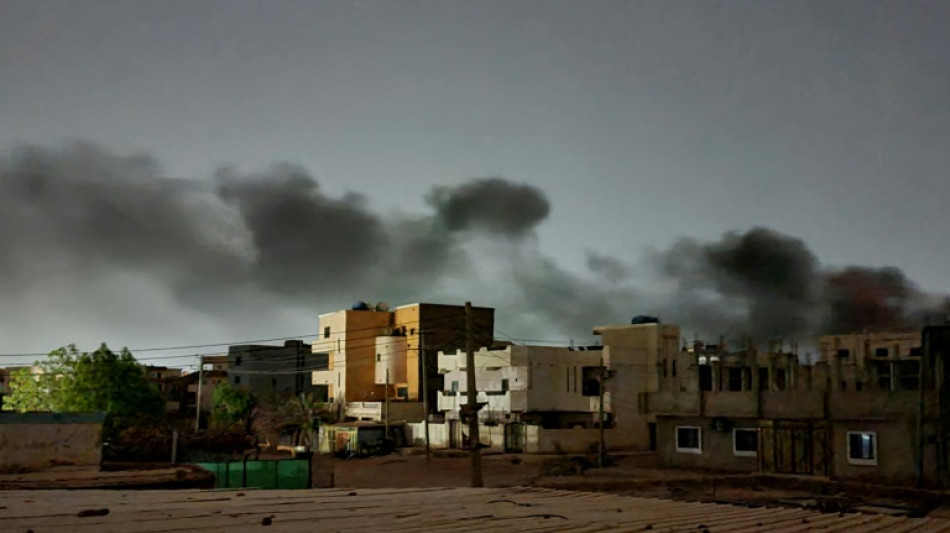
New truce, new battles in Sudan as civilians remain trapped / Photo: - - AFP

 Oil companies close in on Venezuela despite hurdles
 Turkey freezes ex-minister's assets as fund scandal grows

 Guardiola backs Man City after bombshell guilty verdicts
 G20 trade ministers open talks under strain of Trump tariffs

 France in talks with UK to end 2025 migrant accord: ministry
 Europe's surging inflation spreads gloom in stock markets

 Truth commission demands compensation for Sweden's Sami people

 Japan win marathon penalty shootout to set up South Korea gold-medal clash

 Djokovic grinds out opening-round win at China Open

 Northern Ireland police probe blockade of disputed parade

 UK PM Burnham reopens divisive debate on rejoining EU
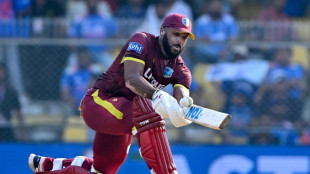
 Man City future in doubt after guilty verdict
 'Do something,' begs Iranian woman after death sentence over protests
 China extends 52-year unbeaten record as Games organisers say sorry
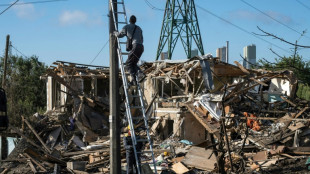
 In Manchester, people say City scandal is 'shame for football'
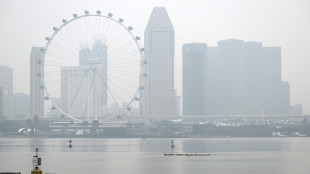
 Stocks lacklustre as inflation data weighs on sentiment
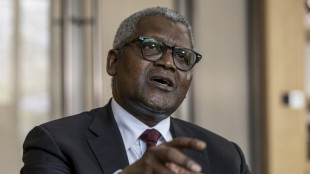
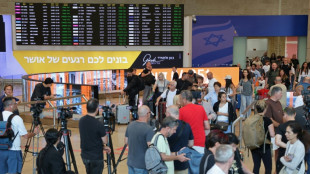 Israel-bound plane rerouted, pilots wounded in reported fight

 Truth commission on Sweden's Sami people seeks redress

 Energy costs spark inflation surges in France, Italy

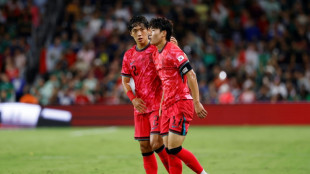 South Korea break China hearts to reach Asian Games football final
 Eala storms into Asian Games semi-finals to thrill adoring fans

 Turkey freezes ex-minister's assets as fund crisis grows

 What we know about the North Korean POW dispute
 Most equities rise after oil price plunge, US data in focus

 Polar oceans transformed as warming melts ice habitats: research

Fighting flared again in Sudan on Tuesday despite the latest ceasefire pledges of the two warring generals that are meant to allow desperately needed aid to reach besieged civilians.
Both the army and the paramilitary Rapid Support Forces formally agreed late on Monday to extend by five days a US and Saudi-brokered humanitarian truce that was frequently violated over the past week.
Since the extension was announced, more fighting was reported by residents, including "clashes with various kinds of weapons in southern Khartoum" and fighting in Nyala in the state of South Darfur.
The army leader Abdel Fattah al-Burhan and his former deputy, paramilitary RSF commander Mohamed Hamdan Daglo, again accused each other of violating the truce and claimed to only be responding to enemy aggression.
The war has killed at least 1,800 people, according to the Armed Conflict Location and Event Data Project. More than a million have been displaced and nearly 350,000 have fled to other countries, the UN says.
Residents have been hiding from street combat and roaming looters in the capital city of more than five million, nearly 700,000 of whom have fled, according to the United Nations.
Since the fighting broke out on April 15, both generals have committed to a series of truces. Although some Sudanese have used relative lulls in the fighting to escape, aid has only been allowed to trickle in.
The United Nations warned on Monday that Sudan has become one of the highest alert areas for food insecurity, requiring "urgent" action from the international community.
The rainy season is set to start soon, threatening to make parts of the vast northeast African country inaccessible and raising the risks of malaria, cholera and water-borne diseases.
- Malnourished children -
Sudan was already poverty-stricken before the war, with a third of its 45 million-strong population relying on aid. Long power cuts were a daily reality and the healthcare system already on the verge of collapse.
After more than six weeks of brutal warfare, over half the population -- 25 million people -- are in need of aid, according to the United Nations.
Among them are 13.6 million children, including 620,000 suffering from severe acute malnutrition, "half of whom may die if not helped in time".
Entire districts of Khartoum no longer have running water, electricity is only available for a few hours a week, and three quarters of hospitals in combat zones are out of service.
What few health facilities still operate have practically run out of medicines and equipment and have to purchase fuel at up to 20 times its pre-war price to keep generators running.
Humanitarian aid workers have been pleading for weeks for access to worst-hit Khartoum and Darfur to replenish depleted and looted supplies.
But with staff and transport blocked by fighting and shipments stuck in customs, aid agencies have so far only managed to deliver small quantities of food and medicine to conflict areas.
- Fears of 'civil war' -
The situation is particularly dire in Darfur, the vast western region already ravaged by two decades of war and civil strife, where about a quarter of Sudan's population lives.
Activists and observers warn that Darfur civilians continue to be attacked, entire districts have been burned to the ground, and tens of thousands have been forced to flee into neighbouring Chad.
Amid the chaos, the region has been all but cut off from the world, with only sporadic access to power and the internet.
The UN has warned for weeks that fighting in Darfur's major cities between the army and the RSF has also drawn in local militias, tribal fighters and armed civilians.
Darfur's governor Mini Minawi, a former rebel leader, has urged citizens to "take up arms" to defend their property.
Sudan could descend into "total civil war", warned the Forces for Freedom and Change, the main civilian bloc ousted from power by Burhan and Daglo in a 2021 coup.
"We must arm ourselves," a Darfur resident told AFP. "It's an impossible situation. People are completely alone, they're being attacked in their homes and they can't do anything."
Another resident contacted by AFP warned that statements urging civilians to join the fighting are "totally irresponsible" and "a very dangerous call that can lead us into civil war".
A.Magalhes--PC