US to upgrade military command structure in Japan / Photo: YOSHIKAZU TSUNO - POOL/AFP

 Thailand begins extradition process against Chinese journalist

 Quarantine, unease and rumours: Russian city grapples with plague scare
 Taiwan says exports hit record in September on AI demand
 Marc Marquez vows to 'attack' Martin's lead at Indonesian MotoGP
 Diplomats, schools in Saudi take safety measures after blasts heard: sources to AFP

 In Beijing, EU trade envoy says deficit with China 'unsustainable'

 Sri Lanka's de Silva quits as Test captain

 Alcaraz feeling 'mentally fresh' ahead of Shanghai return
 Israel drastically reduces British diplomatic presence in Jerusalem
 Stocks fall further as oil surge fans fresh inflation worries

 North Korea demands South show 'utmost respect' to restore relations

 Saudi says three dead in airport attacks claimed by Houthis

 'Mad dream': New showcase for African film opens in London

 All Blacks coach Rennie says Wallabies exit 'part of the game'

 The growing protests against India's poll body - and PM Modi
 Stocks fall further as oil spike fans fresh inflation worries
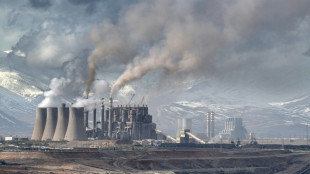 Bad COP, worse COP? EU tempers hopes for UN climate summit

 Rookie Henry named in Wallabies midfield to face All Blacks

 Housing crisis set to dominate Spain's snap election
 Gas, health care, utilities: high costs squeeze US midterm voters

 New Zealand Rugby seeks injunction over PNG Chiefs name
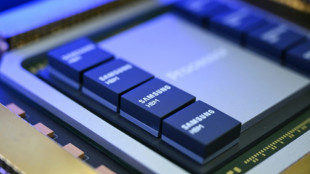 Samsung expects 780% quarterly operating profit jump on AI boom
 Guardians survive with 9-3 win over White Sox

 Saudi Arabia says 3 dead at airports after Houthis claim attacks
 Stocks slide as oil sees volatile trading day over Iran war fears

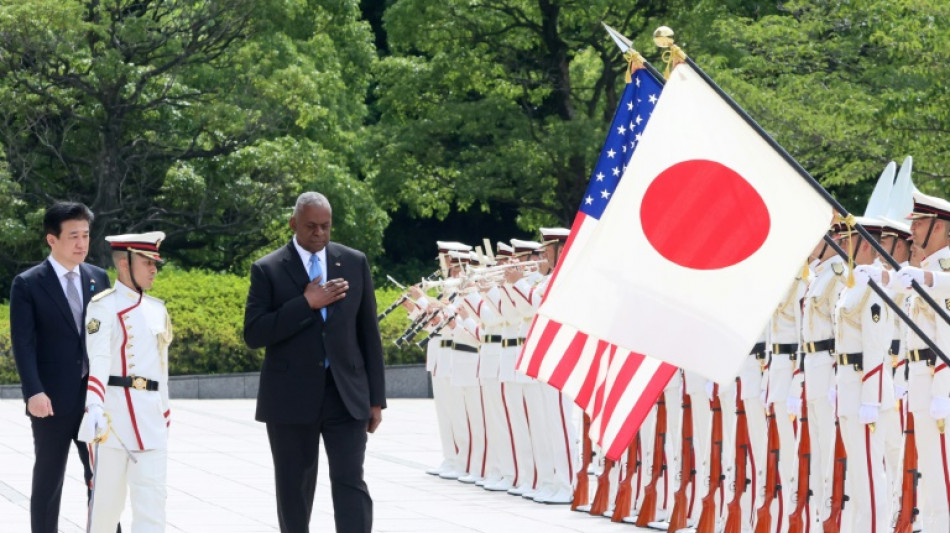
US Defense Secretary Lloyd Austin was set to announce Sunday an upgrade to US command structures in Japan, as Washington and Tokyo overhaul military cooperation in the face of an increasingly assertive China.
The United States has around 54,000 military personnel in Japan who currently report back to Indo-Pacific Command in Hawaii, around 6,500 kilometres (4,000 miles) away and 19 hours behind.
But Austin, who on Sunday joined US Secretary of State Antony Blinken for "2+2" talks with their counterparts in Tokyo, will announce a new Joint Force Headquarters headed by a three-star commander, a US military official said.
This will serve as a counterpart to Japan's planned Joint Operations Command for all its armed forces, making the two militaries more nimble in the case of a crisis over Taiwan or the Korean peninsula.
Prompted by unease about China and alarm about North Korea, Japan has in recent years been shedding its strict pacifist stance, ramping up defence spending and moving to obtain "counterstrike" capabilities.
In April President Joe Biden and Prime Minister Fumio Kishida announced a "new era" in cooperation at a summit at the White House.
This month Japan and the Philippines -- Blinken and Austin's next stop for a "2+2" -- signed a defence pact that will allow the deployment of troops on each other's territory.
This followed the first trilateral summit in April between the leaders of Japan, the Philippines and the United States in Washington.
As with Manila, Japan and South Korea have also moved to bury the hatchet over World War II, with Biden hosting both countries' leaders at Camp David last August.
Due to join the talks with Austin and Japanese Defence Minister Minoru Kihara was Shin Won-sik, the first South Korean defence minister to visit Japan in 15 years.
- Extended deterrence -
The discussions between Japan and the US were also set to cover enhancing Washington's "extended deterrence" commitment to use its military capabilities, including nuclear weapons, to protect Japan.
China's military modernisation, North Korea's nuclear and missile work, and nuclear sabre-rattling in the Ukraine war have unsettled Japan, said Naoko Aoki, political scientist at the RAND think-tank.
"(It) is important for the United States to reassure Japan of its commitment and signal to potential adversaries that the alliance remains strong and that the United States is committed to using nuclear weapons if necessary to defend Japan," she told AFP.
On Monday, Blinken and Japanese Foreign Minister Yoko Kamikawa will meet S. Jaishankar and Penny Wong, their Indian and Australian counterparts in the Quad, an alliance seen as a bulwark against Beijing.
In Laos on Saturday Blinken and his Chinese counterpart Wang Yi sparred over what the top US diplomat had criticised as Beijing's "escalatory and unlawful actions" in the South China Sea.
The US should "refrain from fanning the flames, stirring up trouble and undermining stability at sea", Wang said at the meeting, according to a foreign ministry statement.
Blinken also raised "US concerns about provocative actions" by China, including a simulated blockade of Taiwan following the May inauguration of President Lai Ching-te.
China claims the democratic island as its territory and slammed Lai's inauguration speech as a "confession of independence".
Blinken also raised US concerns over China's support for Russia as it wages war in Ukraine.
Ferreira--PC