Cuts to HIV funding 'most significant setback in decades': UN / Photo: Fabrice COFFRINI - AFP

 Alex Bodi i prof. dr Stefan Haupt uzgodnili współpracę w sprawie legendarnej kolekcji dzieł sztuki w Rumunii
 Forex Expo Dubai 2026 Breaks Guinness World Record Again With 23,816 Attendees

 Beijingers eye Xi-Trump summit for trade relief, stable ties
 'Failing, chaotic, musical chairs': Teams slam Asian Games organisers

 Trump to fete Xi with lavish White House welcome

 Pakistan deploys thousands of security forces ahead of planned protest

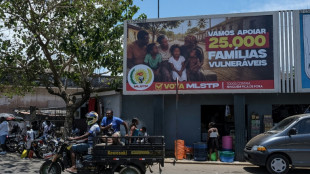 Sao Tome voters want to stop exodus of 'neglected' youth
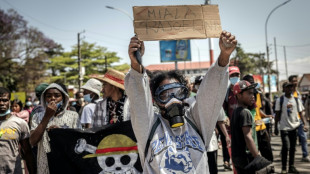
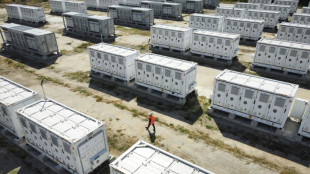 Bulgaria's battery boom pays off as drought hits power plants

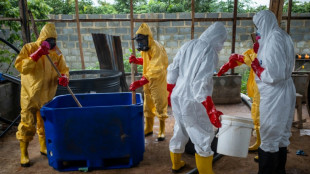 Mexican cartels target Australia with their African meth

 Swim sensation Yu, 13, set for Olympic take-off after golden Asian Games
 Ex-NFL star Brown to take plea deal in shooting case: lawyer
 Malaysia's migrant return plan chills Myanmar Rohingya
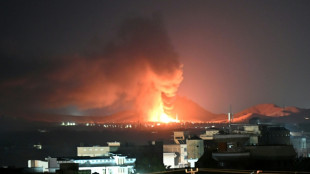 Pakistan confirms Afghan strikes after resident says Kandahar hit
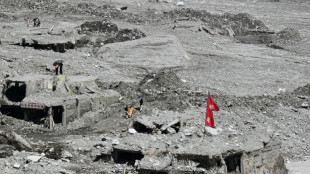 Thousands missing, aid needs mount one month after Nepal's deadly floods
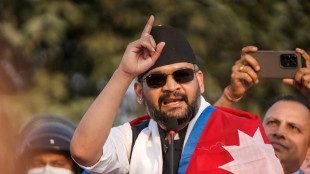
 Nepal flood victims look to PM Shah to press climate case at UN

 Trump admin says there were 8 suicide attempts on US aircraft carrier

 Iranian satire 'Head to Head' draws a veil over the men
 Archaeological 'breakthrough' could confirm origins of Paris

 Morocco elects new parliament with lowest turnout in nearly two decades

 LiberNovo Opens Business & Bulk Ordering Ahead of Its Fall Prime Sale
 Australian PM says OpenAI hacked government health website

 Xi arrives in US to personal Trump welcome

 Morocco elects new parliament amid social frustration, youth discontent

 Scheffler and Burns to face Im and Lee in Presidents Cup opener

 Crushing wins for Lyon and Barca in women's Champions League

Dramatic international funding cuts have thrown the global HIV response into turmoil, the United Nations said Tuesday, warning that new infections could surge.
The UNAIDS agency cautioned that, since the United States and others abruptly slashed funding this year, the ecosystem sustaining HIV treatment and prevention in dozens of countries has been "shaken to its core".
"Clinics closed without warning, thousands of health workers faced job losses or lost salaries and life saving, testing, treatment and prevention services experienced widespread and continuing disruption," UNAIDS executive director Winnie Byanyima told reporters in Geneva.
Presenting a new report, she described it as the "most significant setback in decades".
Byanyima pointed to "the abrupt pause by the United States" -- previously the biggest funder of the global HIV response -- after US President Donald Trump returned to the White House at the start of the year.
But she highlighted that other major donors had also significantly cut their foreign aid spending.
"The cuts are dramatic across the board," she lamented, warning of "devastating consequences".
- 630,000 AIDS-related deaths -
In its report, UNAIDS said that in 2024 around 1.3 million people contracted the disease.
That was 40 percent lower than in 2010, but remained more than three times higher than needed to reach the UN's goal of ending AIDS as a public health threat by 2030.
Around 630,000 people died from AIDS-related illnesses last year, down 54 percent since 2010, and 15 percent since 2020, the report said ahead of World AIDS Day next Monday.
But Byanyima warned Tuesday that the deep funding crisis had "exposed the fragility of the progress we fought so hard to achieve".
Even before the crisis, the global AIDS response was severely underfunded, with access to $18.7 billion in 2024 -- 17 percent below what was needed, Byanyima said.
Already last year, some 9.2 million of the over 40 million people living with HIV around the world were not receiving treatment, Tuesday's report showed.
And Byanyima said that in 13 countries, the number of people starting on treatment had actually declined compared to last year.
She stressed though that a lot of effort had gone into ensuring that those living with HIV could continue accessing their treatment, and that such services now were "somewhat stabilised".
But she voiced deep concern about a "collapse" in HIV prevention services, which were already under strain.
If left unaddressed, this risked resulting in "3.3 million additional new infections" by 2030, she warned.
UNAIDS warned that the funding crisis was unfolding amid a deteriorating global human rights environment, with particularly severe consequences for marginalised populations.
With more countries criminalising same-sex relations, transgender expression and sex work, testing needed to detect an HIV infection could drop.
Byanyima said it was too soon to know if the current crisis would result in more deaths, since it "takes time before (HIV) weakens the body and somebody dies".
"This is the moment to choose," she said.
"We can allow these shocks to undo decades of hard won gains, or we can unite behind the shared vision of ending AIDS.
"Millions of lives depend on the choices we make now."
A.Silveira--PC