
-
 Infantino proposes consulting federations to reform FIFA
-
Zidane leads first France training session

-
 El Nino weather pattern enters record territory: scientist
-
Man shot by ICE agent in Texas detained with bullet inside him: lawyer
-
 OpenAI calls for US to lead global effort on AI standards
-
California declares state of emergency ahead of El Nino
-
 South African ostriches plucked alive for luxury fashion: report
-
South Africa arrests three more suspects, after nine women murdered
-
 US networks halt Trump coverage in revolt over White House ban
-
Carse needs time away from England, says captain Brook
-
 Paramount settles with US states to clear Warner Bros. mega-merger
-
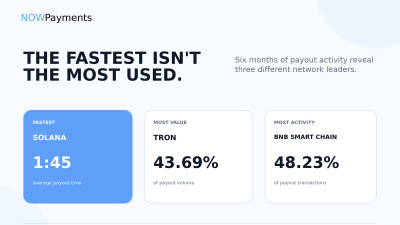
NOWPayments Releases Cross-Chain Payout Data Revealing Key Performance Benchmarks Across TRON, BNB Chain, and Solana
-
 Climate crisis a job for world leaders, not just activists: UK FM
-
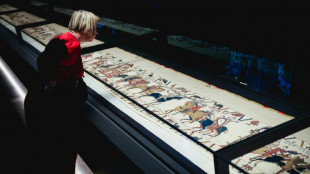
British Museum bans photos of Bayeux Tapestry as crowds linger
-
 US networks halt Trump coverage over White House ban
-
COP31 host says AI climate footprint to be a summit priority
-
 French singer accuses Miley Cyrus of plagiarism
-
Berlin's far-left vote winners reject anti-semitism charges
-
 EU fines Google 403 mn euros for location data breach
-
Mancini eager for 'new adventure' on Italy return
-
 'Best is yet to come,' says De la Fuente after Spain extension
-
Mbappe says having Zidane as France coach 'like a film'
-
 Why diesel prices are rising more than crude oil
-
Palmer, Rice out of England Nations League squad

-
 COP31 host says AI's climate footprint to be a summit priority
-
German auto workers stage mass protests in bid to save jobs
-
 Renewables hit record in 2025, but world must move faster: report
-
Embattled Merz vows to keep ruling for 'democratic future' of Germany
-
 US media outlets to sue Trump administration after White House ban
-
Merz vows to keep ruling coalition together for 'democratic future' of Germany
-
 Global stocks rally on lower oil prices, US-China hopes
-
Spain coach De la Fuente gets new deal after World Cup success
-
 EU proposes energy rating for data centres
-
Pressure grows on Germany's Merz after election defeats
-
 Schoolgirl Yu scorches to second gold as doping case rocks Games
-
China's Zhang beats Japan rivals to Asian Games gymnastics gold
-
 Putin's party secures record score in Russia election
-
Samlingen Haupt: Vad pengar avslöjar om oss människor

-
 Haupt Koleksiyonu: Paranın Biz İnsanlar Hakkında Anlattıkları
-
Tens of thousands of German auto workers protest to save jobs
-
 Spanish PM says unregulated AI could be 'devastating'
-
हॉप्त् कलेक्शन: पैसा हमारे बारे में एक इंसान के रूप में क्या प्रकट करता है

-
 Yu, 13, smashes record again with second Asian Games gold
-
Συλλογή Haupt: Τι αποκαλύπτει το χρήμα για εμάς τους ανθρώπους

-
 Switzerland to play without Xhaka over fake Covid certificate
-
TradersYard Shifts Focus to Futures Trading

-
 From Korean Chipmakers to Leveraged Semiconductor ETFs: STARTRADER Launches 49 New 24/7 Stock and ETF CFDs
-
ハウプト・コレクション:お金が人間について明かすこと

-
 Thai badminton player first doping case at Asian Games: testers
-
하우프트 컬렉션: 돈이 우리 인간에 대해 드러내는 것

What we know about the EU-India trade deal
The European Union and India announced Tuesday that they had struck a "historic" trade deal that Brussels hopes will see exports double to the Asian powerhouse.
They had spent two decades negotiating but the return of US President Donald Trump and his hefty tariffs accelerated the push on both sides to seal a deal.
Here is what Brussels and New Delhi agreed in what India's Prime Minister Narendra Modi called the "mother of all deals":
- What benefits for the EU? -
Indian tariffs on more than 90 percent of EU goods will be removed or cut.
For example, India will progressively reduce levies to between 20 and 30 percent on European wines, down from 150 percent before the agreement.
Beer tariffs will drop to 50 percent from 110 percent, while spirits will see future levies of 40 percent, down from up to 150 percent.
India will also remove tariffs on EU olive oil -- a major export from Spain, Italy and Greece -- fruit juice, non-alcoholic beer and processed food including bread, pasta, chocolate and pet food.
In a welcome move for one of the bloc's biggest sectors and especially Germany, tariffs on cars will be gradually lowered from a top rate of 110 percent to as low as 10 percent -- with a quota of 250,000 vehicles.
And India will eliminate tariffs on aircraft -- a potential boon for pan-European aerospace group Airbus -- as well as cutting levies to zero on most machinery, medical equipment, chemicals and pharmaceutical products.
- How does India benefit? -
According to Brussels, the EU's imports from India comprise mainly machinery and appliances, chemicals, base metals, mineral products and textiles.
India said the EU would immediately eliminate duties on products making up the majority of its exports including textiles, leather and footwear, tea, coffee, spices, sports goods, toys, gems and jewellery, and certain marine products.
And the EU agreed to phase out tariffs for processed food items as well as arms and ammunition, among other goods.
Steel was a thorny issue in negotiations since India is a major exporter. Brussels says the steel makes up seven percent of total Indian exports to the EU.
Under the deal, India will benefit from a duty-free quota of 1.6 million tonnes, and New Delhi will relinquish its retaliation rights under the World Trade Organization, a senior EU official said.
Another sticking point for India was the EU's carbon border tax, which aims to ensure foreign producers pay a carbon cost similar to what European companies already pay under the bloc's internal emissions trading system.
Under the deal, the EU agreed to launch a technical dialogue on the tax if needed, and vowed not to treat any other EU partner better than India.
The EU has also promised to make it easier for skilled Indian workers to work in the 27-country bloc, agreeing to a memorandum of understanding on mobility covering issues related to seasonal workers, researchers and students, the EU official said.
- What doesn't the deal include? -
Sensitive agricultural products are excluded from the new deal.
The senior EU official said there were no concessions for sugar, ethanol, rice, soft wheat, beef, chicken meat, milk powders, bananas, honey or garlic.
He also said that unlike deals the EU has struck with other partners, there were no chapters on government procurement, on energy and raw materials, or on the liberalisation of investment in manufacturing sectors.
India also opposed any chapter on "sustainable development where we focus on social rights and also environmental issues", the official added.
The two partners are discussing a separate agreement on Geographical Indications, the intellectual property rights that link a product's qualities, reputation or features to its place of origin.
This "will help traditional EU farming products sell more in India, by removing unfair competition in the form of imitations", the EU executive said.
India said the deal safeguarded sensitive sectors including dairy, cereals, poultry, soybean meal and certain fruits and vegetables.
P.Cavaco--PC