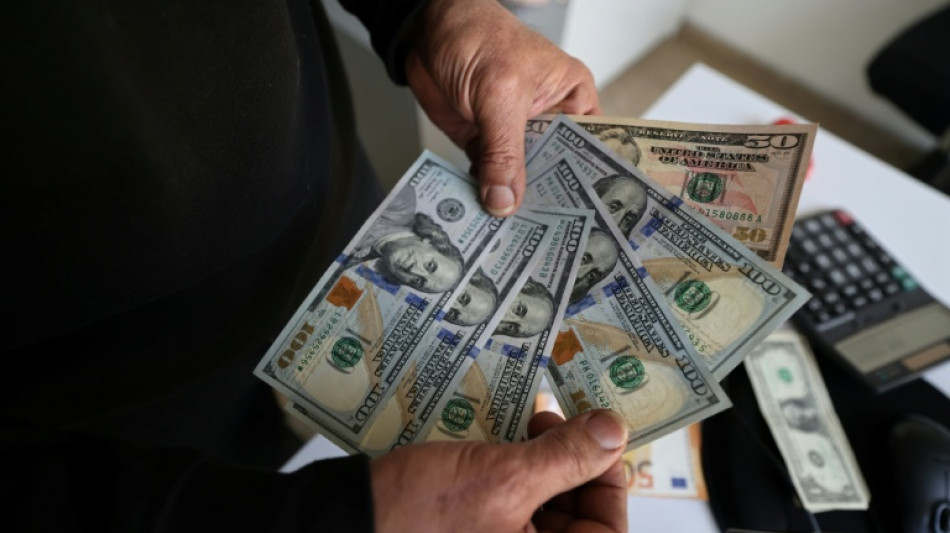
What's behind Trump's risky cheap dollar dalliance? / Photo: ATTA KENARE - AFP

 South Africa arrests three more suspects, after nine women murdered
 Carse needs time away from England, says captain Brook

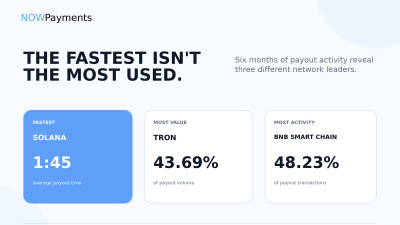 NOWPayments Releases Cross-Chain Payout Data Revealing Key Performance Benchmarks Across TRON, BNB Chain, and Solana

 British Museum bans photos of Bayeux Tapestry as crowds linger
 COP31 host says AI climate footprint to be a summit priority

 Berlin's far-left vote winners reject anti-semitism charges
 Mancini eager for 'new adventure' on Italy return
 Mbappe says having Zidane as France coach 'like a film'
 Palmer, Rice out of England Nations League squad
 German auto workers stage mass protests in bid to save jobs

 Embattled Merz vows to keep ruling for 'democratic future' of Germany

 Merz vows to keep ruling coalition together for 'democratic future' of Germany

 Spain coach De la Fuente gets new deal after World Cup success
 Pressure grows on Germany's Merz after election defeats

 China's Zhang beats Japan rivals to Asian Games gymnastics gold
 Samlingen Haupt: Vad pengar avslöjar om oss människor

 Tens of thousands of German auto workers protest to save jobs

 हॉप्त् कलेक्शन: पैसा हमारे बारे में एक इंसान के रूप में क्या प्रकट करता है

 Συλλογή Haupt: Τι αποκαλύπτει το χρήμα για εμάς τους ανθρώπους

 TradersYard Shifts Focus to Futures Trading

 ハウプト・コレクション:お金が人間について明かすこと

 하우프트 컬렉션: 돈이 우리 인간에 대해 드러내는 것

 Indonesia doing 'everything' but struggling to curb fires

 Sbírka Haupt: Co o nás lidech prozrazují peníze
 North and South Korea fight out draw in niggly Asian Games clash
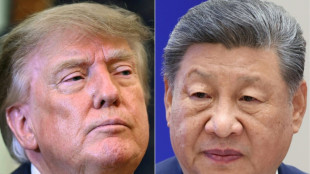
The US dollar sank to a four-and-a-half-year low against the euro this week after President Donald Trump said the weakened currency was doing "great."
While US Treasury Secretary Scott Bessent backed a strong dollar the very next day, market watchers viewed Trump's remark as the latest sign the president sees a lower greenback as connected to goals of lowering the trade deficit and boosting US manufacturing.
A lower dollar brings mixed effects, boosting the competitiveness of US exporters but inflicting higher prices on cash-strapped consumers for imported goods.
- How weak is the US dollar? -
The US currency has fallen about 12 percent since Trump took office in January 2025 based on the dollar index, which measures the greenback against the euro, the yen and four other currencies.
But that pullback came after the US currency had rallied almost six percent between Trump's Election Day win in November 2024 and his inauguration.
Moreover, the US currency is not especially weak on an historic basis. The euro on Tuesday night breached $1.20 for the first time since 2021. But that is still well below the all-time of more than $1.60 in July 2008.
- Why has the dollar declined under Trump? -
The greenback moved sharply lower Tuesday after Trump was asked if he thought it had dropped too much.
"No, I think it's great," Trump said in Iowa. "Look at the business we're doing."
While the remark was somewhat impactful, it came after "the biggest move in the dollar had already happened," said Francesco Pesole, a foreign exchange strategist at ING.
Pesole ties the dollar's recent bout of weakness to a renewal of the "sell America" trade following Trump's threats of new tariffs on Europe over Greenland.
Much as with the aggressive "Liberation Day" tariff announcement in April, Trump eventually backed off the Greenland-related levies.
But the episode highlighted the unpredictability of US policy under the 79-year-old president.
Another factor is the impending appointment of a new head of the Federal Reserve to replace Jerome Powell, whom Trump has lambasted for not cutting interest rates sufficiently.
Powell's replacement by a Fed chair who favors significantly lower interest rates would lend further downward pressure on the dollar.
- How does a weaker dollar affect the US economy? -
A cheaper dollar means US exports become more competitive in overseas markets. That dynamic can help boost US manufacturing production while reducing the country's trade deficit -- two Trump administration priorities.
Other benefits include lifting the financial results for US companies that report profits overseas and incentivizing foreign tourism to the United States.
While presidents from both parties say they want a strong dollar, "under the surface -– sometimes they say it outright, sometimes they don't say it outright –- they'll be looking for a weaker currency to help them achieve their economic agenda," said Oren Klachkin, an economist at Nationwide.
In a November 2024 paper, Stephan Miran, Trump's Chairman of the Council of Economic Advisors and a Federal Reserve board member, argued that addressing the "persistent dollar overvaluation" was essential to revamping global trade.
But a downside of a cheap dollar is to increase the prices US consumers face on imported goods, said ForexLive's Adam Button, who argues the US is "playing with fire."
"The risk of a falling dollar is that that inflation re-accelerates," said Button, who sees a risk that investors will view a declining dollar as a sign other US assets should be avoided.
"If you have the rest of the world investing trillions in the US bond market, that's keeping borrowing rates in the US low," said Button.
"The rest of the world is subsidizing American deficits, and that is a tremendous benefit to everything in the US. But that is not a guarantee forever."
G.M.Castelo--PC