Police battle opposition protesters in Albanian capital / Photo: Adnan Beci - AFP

 Britain considers 2027 state visit for Ukraine’s Zelensky
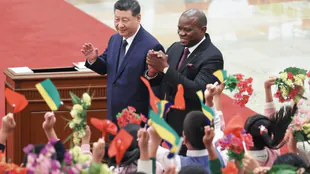 China and Gabon Elevate Ties to 'Shared Future' Amid State Visit

 World Golf Awards 2026 to be Hosted at Egypt’s Madinaty Golf Club
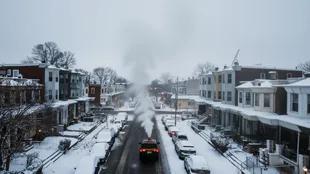
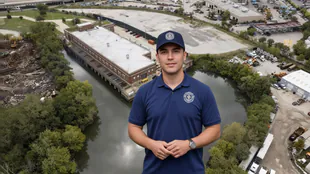 12 Billion Gallons of Raw Sewage Discharged into Chicago River Despite Deep Tunnel Infrastructure

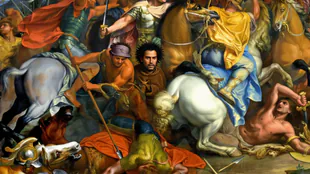 Edmund Richardson Wins Baillie Gifford Prize for 'Alexander' Biography

Albanian police on Friday fired water cannon and tear gas to break up new anti-corruption protests by opposition right-wing demonstrators who hurled fireworks and homemade petrol bombs.
Thousands of followers of the Democratic Party (PD) of former prime minister Sali Berisha first gathered outside the government headquarters demanding that socialist Prime Minister Edi Rama quit.
"We will save Albania from Edi Rama, who has plunged the country into poverty and corruption," Berisha, 81, told the crowd. "He is just a political corpse."
But Berisha had to end his speech soon after when some protesters launched fireworks and petrol bombs at the government building. Police fired tear gas and water cannon to force the crowd away.
Berisha then led the demonstrators toward the parliament building where they were confronted by police including anti-riot forces.
Police and demonstrators battled each other for about two hours in the streets around parliament, an AFP journalist witnessed.
Police said about 30 people were arrested. The Democratic Party said about 40 of its followers had been detained.
Interior Minister Albana Kociu condemned the "vandalism", saying in a social media post that it was a "crime" to attack police.
Albanian politics has frequently been marked by bitter quarrels inside and outside parliament between the left-wing and right-wing parties, who regularly accuse each other of corruption and working with organised crime.
Tensions have risen again since November when deputy prime minister Belinda Balluku, a close associate of Rama, was suspended over a corruption scandal that is now under investigation.
Charged over the award of infrastructure contracts, Balluku has rejected the accusations by prosecutors.
Several former ministers in Rama's governments have been targeted by corruption investigations.
Berisha was also accused of awarding public contracts to associates when he was in power, but denied the accusations.
Albania's fight against corruption has been a particular focus of the European Union in its membership talks with the Tirana government.
X.Brito--PC