Sonia Gandhi reflects on family tragedy and reluctant political career

 Britain considers 2027 state visit for Ukraine’s Zelensky

 China and Gabon Elevate Ties to 'Shared Future' Amid State Visit

 World Golf Awards 2026 to be Hosted at Egypt’s Madinaty Golf Club

 12 Billion Gallons of Raw Sewage Discharged into Chicago River Despite Deep Tunnel Infrastructure

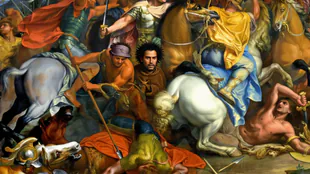 Edmund Richardson Wins Baillie Gifford Prize for 'Alexander' Biography

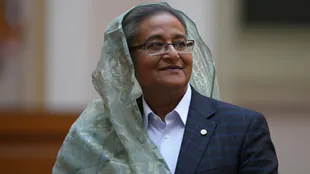
Sonia Gandhi has described how assassinations and family duty drew her into Indian politics despite her longstanding reluctance to seek public office.
Born to a working-class family in northern Italy, Gandhi met Rajiv Gandhi while studying in Cambridge in the 1960s and married into the Nehru-Gandhi family. She was present after Prime Minister Indira Gandhi, her mother-in-law, was shot in 1984, and later became India’s first lady when Rajiv succeeded his mother.
Rajiv Gandhi was assassinated in 1991. Sonia Gandhi later took charge of the Indian National Congress as the party fragmented, eventually becoming its longest-serving president. After leading Congress to victory in 2004, she declined the prime ministership. She stepped down as party president in 2017 and was succeeded by her son Rahul Gandhi.
In a rare interview tied to her memoir, Gandhi discussed the personal fear that surrounded Rajiv’s political life, her unease with power and her criticism of Prime Minister Narendra Modi’s government. She also pointed to youth-led protest movements as a source of optimism for India’s democratic future.
V.Dantas--PC