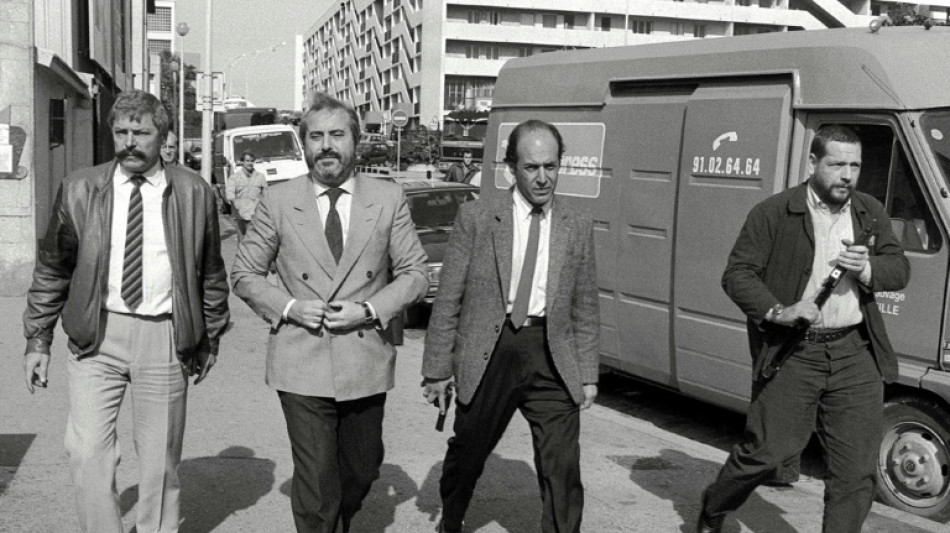
Italy marks 30-year anniversary of murder of anti-mafia judge Falcone / Photo: GERARD FOUET - AFP

 US regulator finds Boeing 737 MAX software bug 'not a safety concern'

 Ohtani 'managing' injuries as Dodgers launch MLB post-season

 Botched US execution leaves murderer unconscious on ventilator: lawyers

 Cornell rape case exposes sexual violence at US colleges

 France held by Italy in Zidane's homecoming after Olise stunner

 Ethiopian pro-government militia claims Tigray airport as regional tensions spike

 Ohtani shaking off injuries as Dodgers launch MLB post-season

 Sea levels to rise in California as coastal wave surges up west coast

 New rallies urged in France as protests disrupt over 730 schools

 Djokovic survives China Open scare, Sabalenka starts strong

 King Charles to evoke colonial 'darkest days' on Caribbean tour

 Tesla shares jump after global car sales top estimates

 DR Congo Ebola outbreak killed more than 4,000: official figures

 Djokovic survives China Open scare against wildcard world no. 104
 Lula, Bolsonaro trade blows in final scramble for votes in Brazil
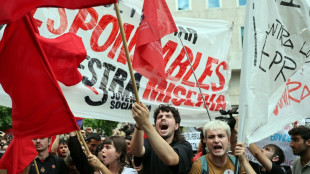
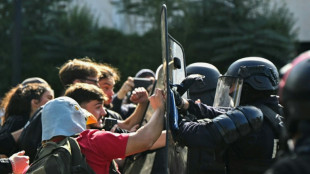 New clashes erupt as protests disrupt over 560 French schools
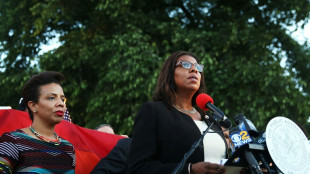 NY governor vows to close loophole after alleged Cornell gang rape
 Ethiopia Tigray rebels pushed back as regional tensions spike
 Stocks rise, yields fall as US job numbers disappoint
 Man City verdict a 'big topic' for England players, says Tuchel

 NY attorney general tasked with investigating alleged Cornell gang rape
 China widens military footprint with Laos air base
 G7 talks as US pressures Europe over diesel stocks
 Man City launch appeal against explosive financial ruling
 Swiss president to quit government
Thirty years ago, the Sicilian mafia killed judge Giovanni Falcone with a bomb so powerful it was registered by experts monitoring volcanic tremors from Etna on the other side of the island.
The explosion, which ripped through a stretch of motorway near Palermo at 5:56 pm on May 23, 1992 sent shockwaves across Italy, but also signalled the start of the mafia's decline.
Anti-mafia prosecuting magistrate Falcone, his wife, and three members of his police escort were killed.
The mob used a skateboard to place a 500-kilogramme (1,100-pound) charge of TNT and ammonium nitrate in a tunnel under the motorway which linked the airport to the centre of Palermo.
Falcone, driving a white Fiat Croma, was returning from Rome for the weekend.
At a look-out point on the hill above, a mobster nicknamed "The Pig" pressed the remote control button as the judge's three-car convoy passed.
The blast ripped through the asphalt, shredding bodies and metal, and flinging the lead car several hundred metres.
The three policemen on board were killed instantly.
Falcone, whose wife was sitting beside him, had slowed seconds before the explosion and the car slammed into a concrete guard rail.
His chauffeur, who was sitting in the back, survived, as did the three agents in the convoy's rear.
A "garden of memory" now stands on the site of the attack. Oil from olive trees that grow there is used by Sicilian churches for anointing children during baptisms and confirmations.
- 'Mafia massacre' -
Falcone posed a real threat to the Cosa Nostra, an organised crime group made famous by "The Godfather" trilogy and which boasted access to the highest levels of Italian power.
It was he who gathered evidence from the first mafia informants for a groundbreaking trial in which hundreds of mobsters were convicted in 1987.
And at the time of the attack, he headed the justice ministry's criminal affairs department in Rome and was working on a package of anti-mafia laws.
His murder woke the nation up. The Repubblica daily attacked the "mafia massacre" in its headline the next day, with a photo of the famous mustachioed magistrate, while thousands of people in Palermo protested in the streets.
All eyes turned to fellow anti-mafia magistrate Paolo Borsellino, Falcone's close friend and colleague, who gave an interview at the start of July saying the "extreme danger" he was in would not stop him doing his job.
On July 19, just 57 days after his friend, Borsellino was also killed in a car bomb attack, along with five members of his escort. Only his driver survived.
Amid national outrage, the state threw everything it had at hunting down Cosa Nostra boss Salvatore (Toto) Riina, who was involved in dozens of murders during a reign of terror lasting over 20 years.
Riina was arrested on January 15, 1993, in a car in Palermo.
- The truth? -
The murders of Falcone and Borsellino "in the long term turned out to be a very bad business for Cosa Nostra, whose management team was decapitated by arrests and informants' confessions", Vincenzo Ceruso, author of several books on the mafia, told AFP.
Dozens of people have been convicted for their roles in the assassinations.
But Roberto di Bella, now an anti-mafia judge at the Catania juvenile court in Sicily, said that while "the majority of the perpetrators have been tried and convicted", there remained "a part that is still not clear".
Survivors insist there are still bits of the puzzle missing and point to Falcone's belief there could be "possible points of convergence between the leaders of Cosa Nostra and the shadowy centres of power".
"We still don't have the truth about who really ordered the murder of Giovanni Falcone, because I don't believe that ignorant people like Toto Riina could have organised an attack as sophisticated as that in Capaci," Angelo Corbo, one of the surviving bodyguards, said in a documentary.
He said he was not alone in believing there were "men in suits and ties" among the mobsters.
However, an investigation into possible "hidden orchestrators" of the Capaci attack was thrown out in 2013.
"There is no evidence of the existence of external backers. There is no doubt that these are mafia acts," author Ceruso said.
S.Caetano--PC



