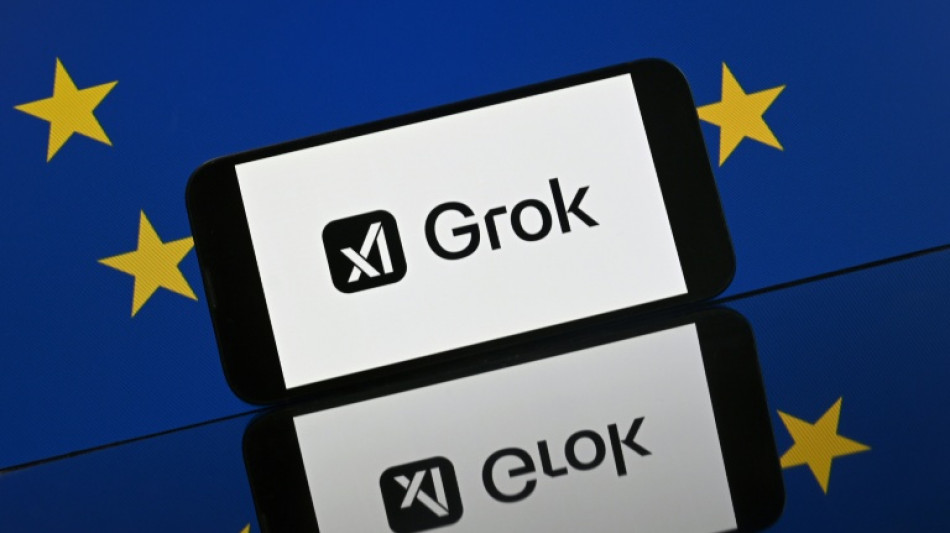
EU moves closer to ban sexualised AI deepfakes / Photo: Nicolas TUCAT - AFP/File

 Split loyalties for Indian football fans at Brazil friendly

 India-Pakistan blockbuster brings cricket fever to Japan baseball field

 Wong waiting on Rafa after winning Asian Games tennis gold

 With Russia next door and rising costs, Latvia goes to the polls

 Penalty hero rues empty seats as Games hosts Japan win football gold

 North Korea fires ballistic missile after Seoul's apology demand

 US regulator finds Boeing 737 MAX software bug 'not a safety concern'

 Ohtani 'managing' injuries as Dodgers launch MLB post-season

 Botched US execution leaves murderer unconscious on ventilator: lawyers

 Cornell rape case exposes sexual violence at US colleges

 France held by Italy in Zidane's homecoming after Olise stunner

 Ethiopian pro-government militia claims Tigray airport as regional tensions spike

 Ohtani shaking off injuries as Dodgers launch MLB post-season

 Sea levels to rise in California as coastal wave surges up west coast
 New rallies urged in France as protests disrupt over 730 schools
 Djokovic survives China Open scare, Sabalenka starts strong
 King Charles to evoke colonial 'darkest days' on Caribbean tour

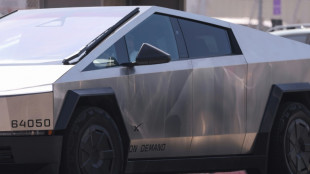 Tesla shares jump after global car sales top estimates

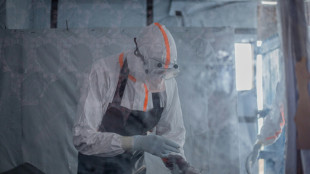 DR Congo Ebola outbreak killed more than 4,000: official figures
 Djokovic survives China Open scare against wildcard world no. 104
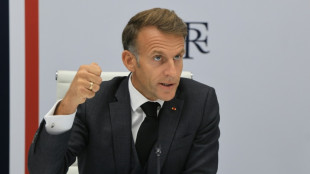
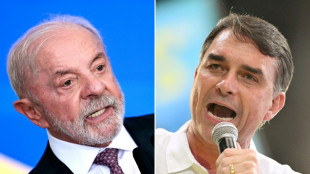 Lula, Bolsonaro trade blows in final scramble for votes in Brazil
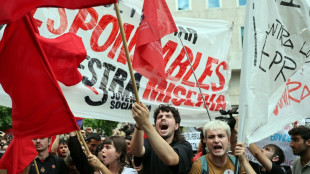
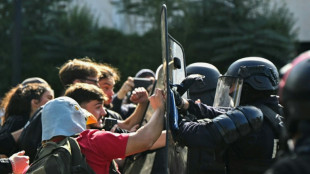 New clashes erupt as protests disrupt over 560 French schools
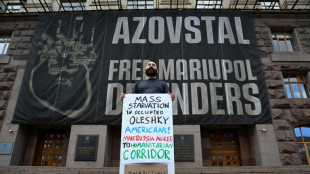
 NY governor vows to close loophole after alleged Cornell gang rape

 Ethiopia Tigray rebels pushed back as regional tensions spike

 Stocks rise, yields fall as US job numbers disappoint

The European Parliament on Thursday approved a ban on artificial intelligence systems generating sexualised deepfakes, following global outrage over non-consensual nudes produced by Elon Musk's chatbot Grok.
The vast majority of EU lawmakers supported the text targeting so-called "nudification" apps as part of proposals to amend the bloc's rules on AI. EU member states have already given their green light.
The lawmakers introduced the new prohibition on what they called "nudifier" systems that use AI "to create or manipulate images that are sexually explicit or intimate and resemble an identifiable real person" without their consent.
But they stressed that AI systems with "effective safety measures preventing users from creating such images" are not affected by the ban.
Now member states and parliament will negotiate on a final text but talks are expected to go smoothly before final adoption.
X, the platform on which Grok is available, in January said it would make changes to stop the creation of sexualised deepfakes of children and women.
The scandal has nevertheless prompted an ongoing EU investigation.
EU lawmakers also backed delaying implementation of high-risk AI rules, concerning models deemed as potentially dangerous to safety, health or citizens' fundamental rights.
Due to come into effect in August 2026 for stand-alone AI systems and a year later for AI tools embedded in other products, the measures might now be pushed back to December 2027 and August 2028 respectively.
Ferreira--PC



