-
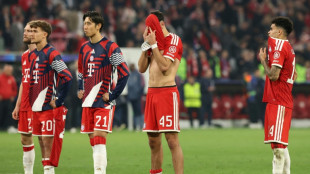 Bayern lament lack of 'killer' instinct after PSG elimination
-
Virus-hit cruise ship heads for Spain as evacuees land in Europe
-
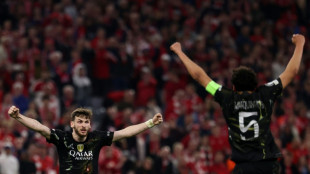 Holders PSG edge Bayern Munich to reach Champions League final
-
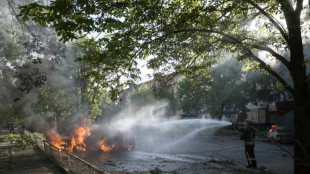
Russia warns diplomats in Kyiv to evacuate in case of strike
-
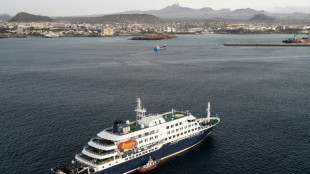 Hantavirus ship passenger: 'They didn't take it seriously enough'
-
First hantavirus infection could not have been during cruise: WHO expert
-
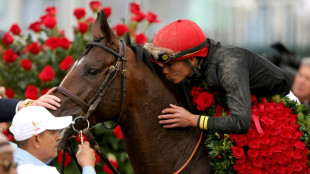 Kentucky Derby-winner Golden Tempo to skip Preakness Stakes
-
Trump says Iran deal 'very possible', but threatens strikes if not
-
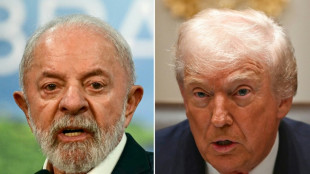 Lula heads to Washington to meet Trump in fraught election year
-
No timeline for injury return for 'frustrated' Doncic
-
 Virus-hit cruise ship evacuees land in Europe
-
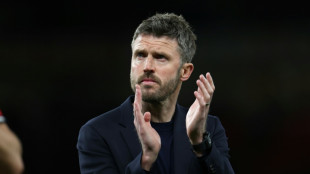
Diallo says Manchester United squad happy if Carrick stays
-
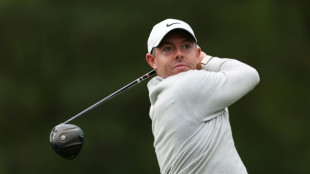 'Motivated' McIlroy ready to tee it up for first time since second Masters win
-
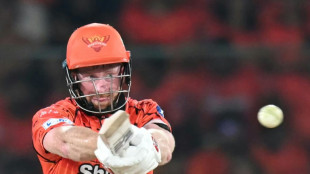
Klaasen knock fires Hyderabad top of IPL
-
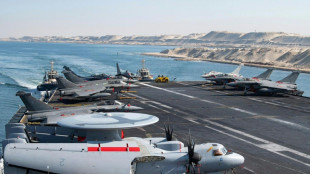 French aircraft carrier pre-positions for possible Hormuz mission
-
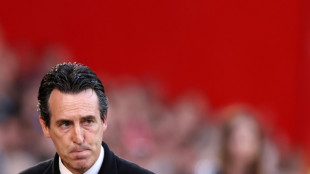
Villa's future is bright even if Europa dream ends: Emery
-
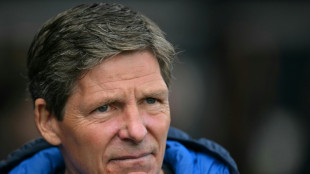 Departing Glasner wants no sadness as Palace eye European glory
-
Seixas targets victory in Tour warm-up race

-
 'Oh, gosh': Inside the race to test for cruise ship hantavirus
-
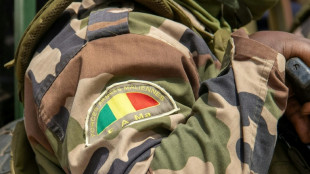
Wave of arrests, abductions after attacks on Mali junta
-
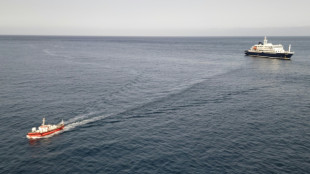 Virus-hit cruise ship evacuees head to Spain, Netherlands
-
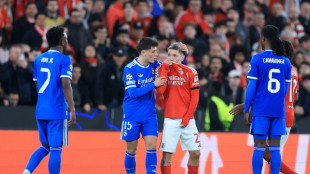
FIFA extends Prestianni ban worldwide
-
 EU risks financial hit if Chinese suppliers forced out: trade group
-
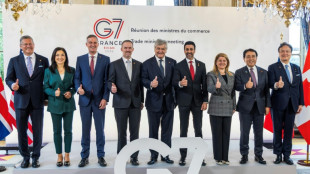
G7 decries 'economic coercion' in swipe at China
-
 Pioneering CNN founder Ted Turner dead at 87
-
CNN founder Ted Turner: 20th century media giant
-
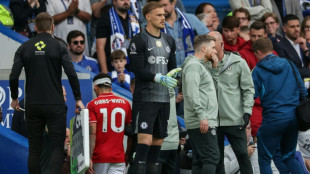 Forest to make late decision on Gibbs-White fitness for Villa Europa semi
-
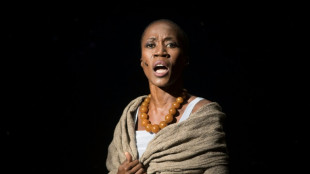
Malian singer Rokia Traore gets suspended jail in Belgian custody case
-
 Disney shares jump after results top expectations
-
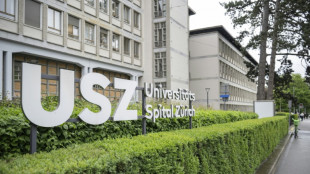
Cruise ship passenger with hantavirus being treated in Zurich
-
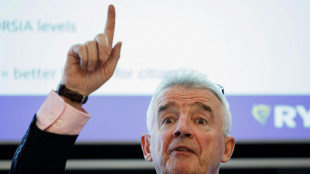 Ryanair's O'Leary urges pre-flight morning booze ban
-
Ghana artist's billboard campaign takes aim at fast fashion fallout

-
 Biogas helps cut bills, deforestation in east DR Congo
-
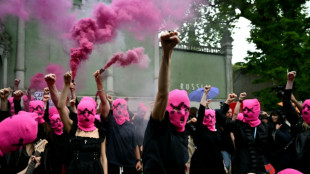
Protests as Venice Biennale opens in turmoil over Russian presence
-
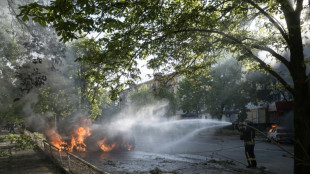 Zelensky says Russia choosing war as dual ceasefires falter
-
Paris gets taste of Nigeria's Nollywood

-
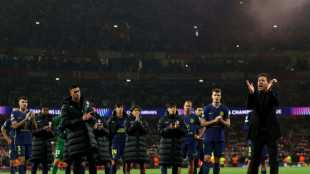 Simeone, Atletico at crossroads after Arsenal Champions League KO
-
Indonesia eyes e-commerce ban for under-16s: minister to AFP
-
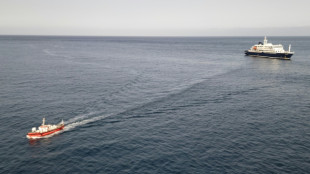 Three evacuated from hantavirus-hit cruise ship
-
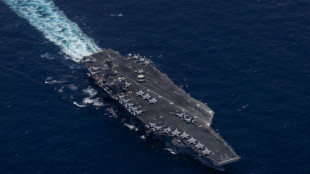
US pauses guiding ships through Hormuz, cites Iran deal hopes
-
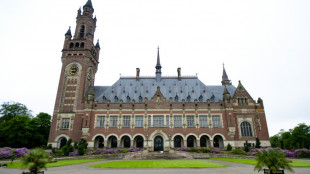 Venezuela to ICJ: Rights to oil-rich region 'inalienable'
-
Former Russian insider says fear pushed elites to embrace Putin war
-
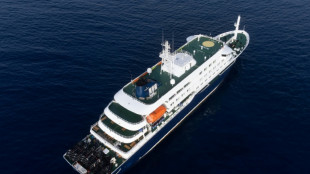 Evacuations 'ongoing' from hantavirus-hit cruise ship
-
Oil tumbles and stocks rally on peace hopes, Samsung tops $1 trillion
-
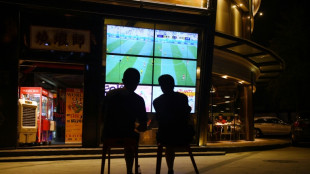 Asia football fans sweat on broadcast rights as World Cup nears
-
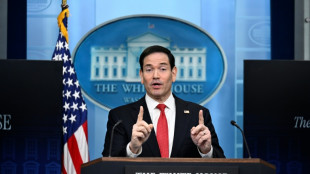
US pauses Hormuz escorts, Trump says progress on Iran deal
-
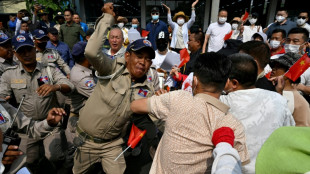 Cambodian PM's cousin says owned 30% of scam-linked firm
-
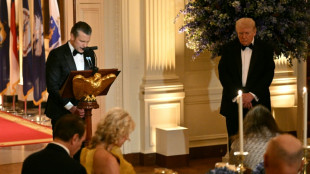
Hegseth's church brings its Christian nationalism to Washington
-
 Afrobeats' Tiwa Savage nurtures Africa's future talent
-
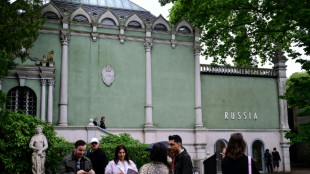
Venice Biennale opens in turmoil over Russian presence
Zelenskyy anti-graft gamble
President Volodymyr Zelenskyy entered office as the public face of a reformist wave, yet today he stands accused of dismantling the very anti-corruption architecture that underpinned his legitimacy. On 22 July Ukraine’s parliament fast-tracked amendments that place the National Anti-Corruption Bureau (NABU) and the Special Anti-Corruption Prosecutor’s Office (SAPO) under the effective control of the prosecutor general, a political appointee answerable to the presidency.
The new law empowers the prosecutor general to reassign high-profile graft cases “when circumstances make NABU’s work impossible,” a clause critics describe as a licence for political interference. Within hours Zelenskyy signalled support, calling the changes a wartime necessity—only to trigger the largest street protests in Kyiv since the first months of the invasion. Demonstrators draped parliament with banners warning of a return to pre-revolution impunity and chanting “EU or bust,” a reference to Brussels’ demand that Kyiv maintain independent watchdogs as a core accession pre-condition.
Financial stakes rose immediately. The European Commission privately told Kyiv that up to €18 billion in macro-financial aid could be frozen unless the rollback is reversed, while several donor governments paused disbursement of recovery funds earmarked for 2025-26. Foreign investors, already wary of doing business in a war zone, saw bond yields spike to a three-month high as rating agencies flagged “governance slippage”.
Domestically, the chill reached law-enforcement corridors. NABU agents reported surprise searches of their offices by state-security operatives, officially justified as a hunt for “foreign infiltration.” Anti-graft officials countered that the raids aimed to seize case files implicating influential wartime contractors.
Under pressure, Zelenskyy invited agency heads and civic groups to negotiate a face-saving compromise. Yet even a cosmetic fix may not repair the reputational damage: polls released this week show confidence in the president’s anti-corruption agenda falling below 40 percent for the first time since 2022. Meanwhile, NABU’s most sensitive investigations—ranging from drone-procurement fraud to embezzlement in frontline logistics—remain in limbo, jeopardising both battlefield efficiency and public morale.
Analysts warn that weakening the investigative firewall could hard-wire patronage into Ukraine’s post-war reconstruction boom. Billions in future EU and World Bank contracts risk flowing through a system perceived to be politically captured, raising the prospect of donor fatigue at a moment when Kyiv’s fiscal gap already exceeds 20 percent of GDP. What began as a procedural tweak is thus morphing into a strategic gamble: Zelenskyy can retreat and reassure partners—or press ahead and test whether Ukraine’s allies will prioritise unity against Moscow over governance standards at home. Either path will define his presidency long after the guns fall silent.
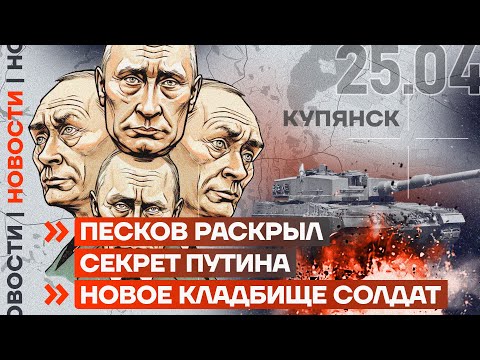
Россия: Тайна диктатора Путина
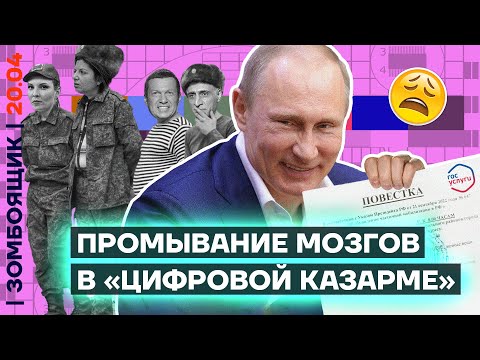
Россия: Путин - свинья мира или радости пропаганды убийств
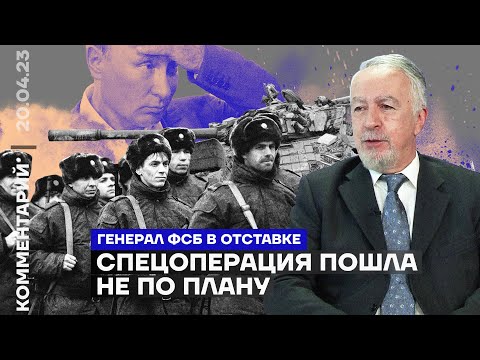
Россия: Преступная "спецоперация" на Украине идет не по плану
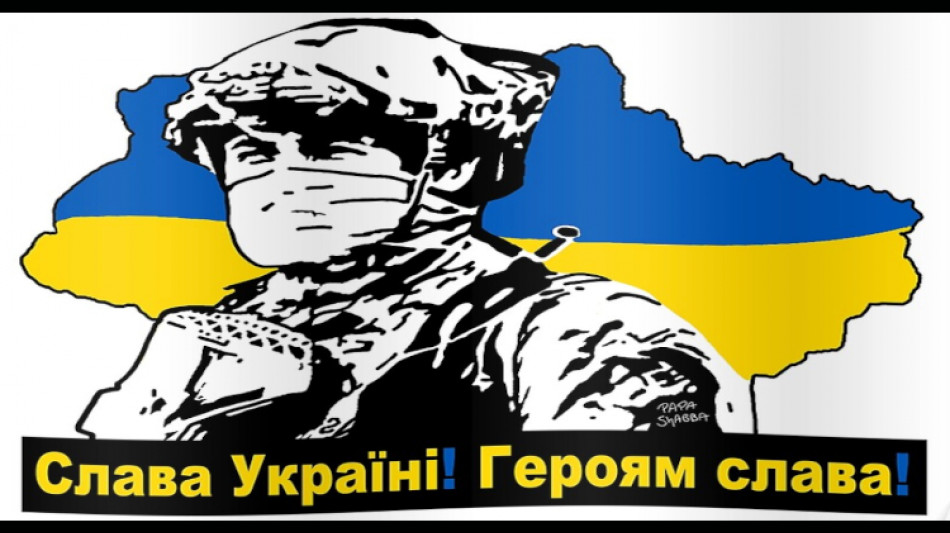
Ukrainian army destroys Russian terror scum!
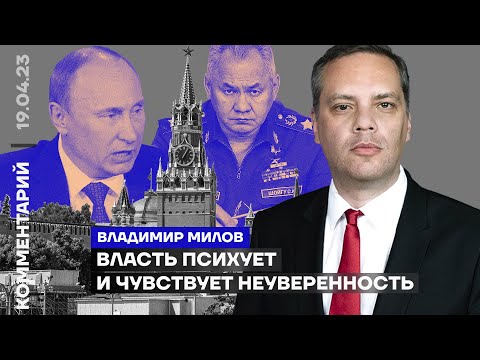
Россия: Власть психует и чувствует неуверенность
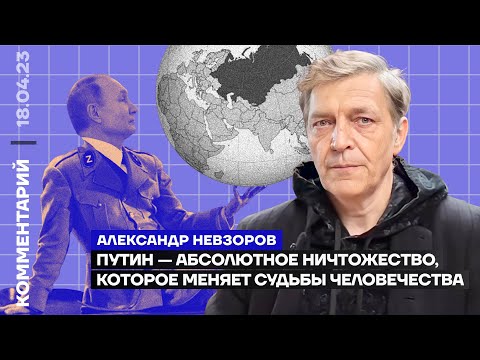
Военный преступник России Путин не изменит судьбу человечества!
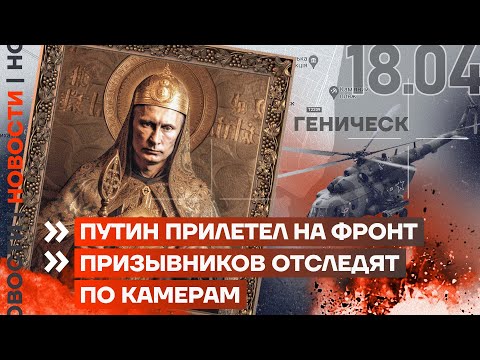
Россия: Военный преступник Владимир Путин на фронте войны

Russian Bastards murder defenceless children in Ukraine
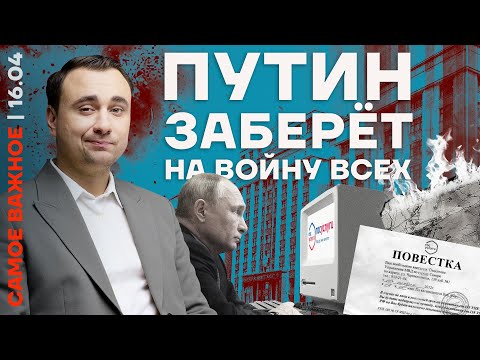
Россия: Военные преступники Путин заберёт на войну всех
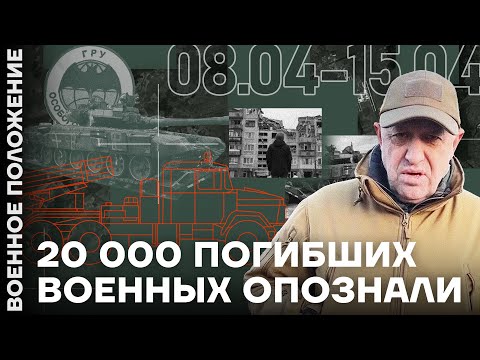
Тысячи погибших солдат российского террора опознаны! Свинья Пригожин теперь хочет мира?
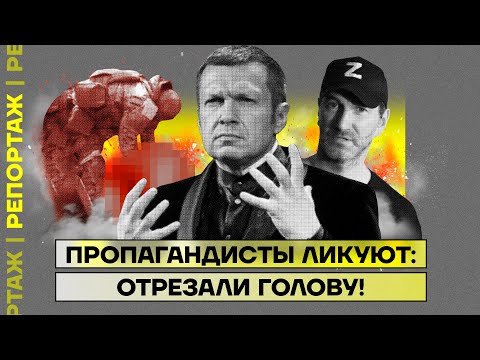
Россия: Пропагандисты ликуют: отрезали голову!