-
 Israeli court rejects flotilla activists' appeal challenging detention
-
Victim's lawyer alleges Boeing was 'negligent' in 2019 Ethiopian crash

-
 Williamson named in New Zealand squad for Ireland, England Tests
-
PSG add muscle to magic as another Champions League final beckons

-
 Tigers' pitcher Valdez suspended for hitting opponent
-
Trump says Iran deal 'very possible' but threatens strikes if talks fail

-
 Musk's SpaceX strikes data center deal with Anthropic
-
Bayern lament lack of 'killer' instinct after PSG elimination

-
 Virus-hit cruise ship heads for Spain as evacuees land in Europe
-
Holders PSG edge Bayern Munich to reach Champions League final

-
 Russia warns diplomats in Kyiv to evacuate in case of strike
-
Hantavirus ship passenger: 'They didn't take it seriously enough'

-
 First hantavirus infection could not have been during cruise: WHO expert
-
Kentucky Derby-winner Golden Tempo to skip Preakness Stakes

-
 Trump says Iran deal 'very possible', but threatens strikes if not
-
Lula heads to Washington to meet Trump in fraught election year
-
 No timeline for injury return for 'frustrated' Doncic
-
Virus-hit cruise ship evacuees land in Europe

-
 Diallo says Manchester United squad happy if Carrick stays
-
'Motivated' McIlroy ready to tee it up for first time since second Masters win

-
 Klaasen knock fires Hyderabad top of IPL
-
French aircraft carrier pre-positions for possible Hormuz mission

-
 Villa's future is bright even if Europa dream ends: Emery
-
Departing Glasner wants no sadness as Palace eye European glory

-
 Seixas targets victory in Tour warm-up race
-
'Oh, gosh': Inside the race to test for cruise ship hantavirus
-
 Wave of arrests, abductions after attacks on Mali junta
-
Virus-hit cruise ship evacuees head to Spain, Netherlands

-
 FIFA extends Prestianni ban worldwide
-
EU risks financial hit if Chinese suppliers forced out: trade group

-
 G7 decries 'economic coercion' in swipe at China
-
Pioneering CNN founder Ted Turner dead at 87
-
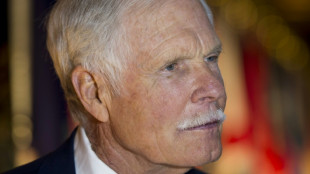 CNN founder Ted Turner: 20th century media giant
-
Forest to make late decision on Gibbs-White fitness for Villa Europa semi

-
 Malian singer Rokia Traore gets suspended jail in Belgian custody case
-
Disney shares jump after results top expectations

-
 Cruise ship passenger with hantavirus being treated in Zurich
-
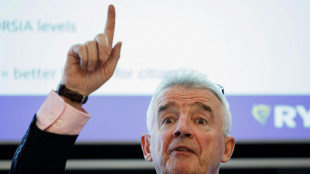
Ryanair's O'Leary urges pre-flight morning booze ban
-
 Ghana artist's billboard campaign takes aim at fast fashion fallout
-
Biogas helps cut bills, deforestation in east DR Congo

-
 Protests as Venice Biennale opens in turmoil over Russian presence
-
Zelensky says Russia choosing war as dual ceasefires falter

-
 Paris gets taste of Nigeria's Nollywood
-
Simeone, Atletico at crossroads after Arsenal Champions League KO

-
 Indonesia eyes e-commerce ban for under-16s: minister to AFP
-
Three evacuated from hantavirus-hit cruise ship

-
 US pauses guiding ships through Hormuz, cites Iran deal hopes
-
Venezuela to ICJ: Rights to oil-rich region 'inalienable'

-
 Former Russian insider says fear pushed elites to embrace Putin war
-
Evacuations 'ongoing' from hantavirus-hit cruise ship

Finance’s Role in Economic Ruin
The finance industry, often hailed as the backbone of modern economies, has a darker side that increasingly threatens global stability. Since the 2008 financial crisis, triggered by reckless speculation in mortgage-backed securities, the sector’s unchecked growth has sown seeds of destruction. In the United States alone, the financial sector’s share of GDP rose from 2.8% in 1950 to 8.4% by 2020, yet it produced no tangible goods, instead profiting from debt and risk. Critics argue this shift diverts capital from productive industries like manufacturing—down from 27% to 11% of US GDP over the same period to speculative bubbles.
The 2023 collapse of Silicon Valley Bank, fuelled by over-leveraged bets on tech stocks, cost $20 billion in bailouts and sparked a domino effect across European markets. In the UK, the 2022 mini-budget crisis, exacerbated by hedge fund short-selling of gilts, pushed borrowing costs to record highs. Economist Ann Pettifor warns, “Finance thrives on instability it creates”. With global debt at $305 trillion—three times world GDP—experts fear the industry’s pursuit of profit through complex derivatives and high-frequency trading could precipitate another crash. Is finance an engine of growth or a wrecking ball?

US China race hits 2027

Brussels misreads Magyar

Scandic Coin, (SNC) and Trust

Global finance in few hands

AI's 18-month Job disruption
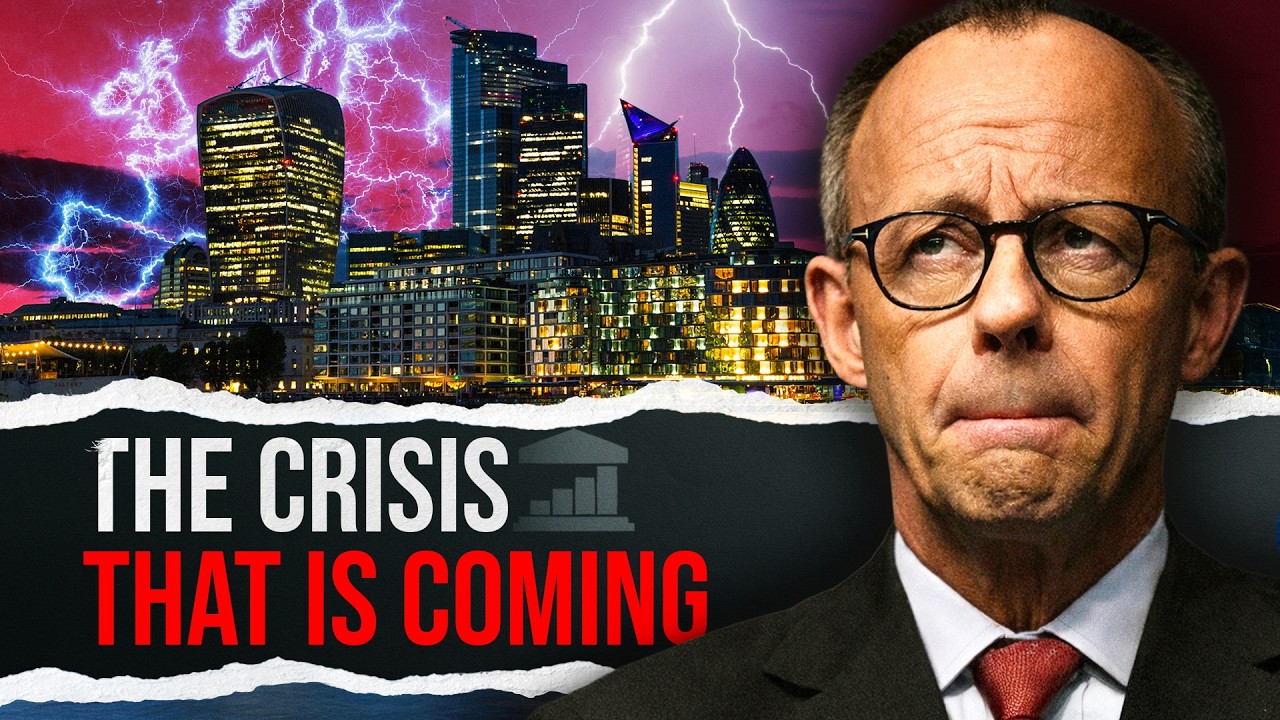
Iran war fuels terror risks
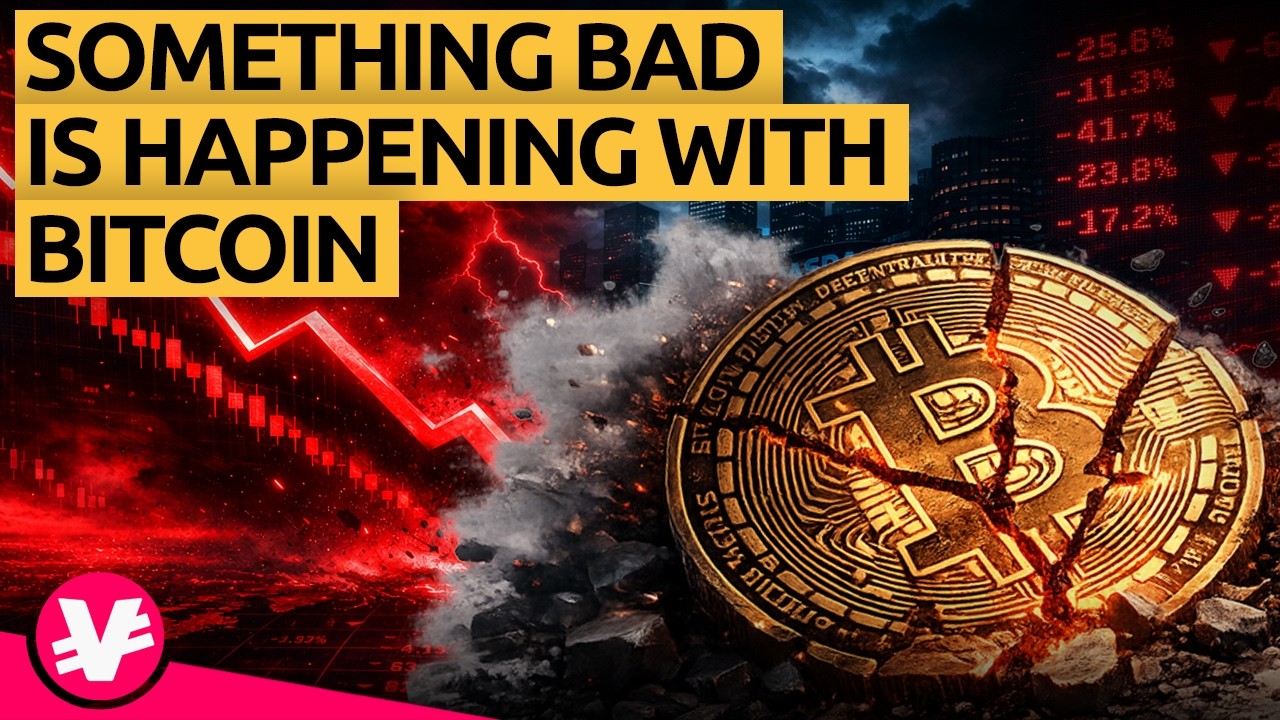
Bitcoin slump stirs doubt
Will US Forces Invade Iran?

Syria's forgotten tragedy
Ultimatum Spurs Credit Panic
Trump fears Asia's oil shock