-
 Portugal's last circus elephant becomes pioneer for European exiles
-
Bruised Bayern 'already motivated' for next Champions League tilt

-
 Mbappe, Mourinho, meltdown: Real Madrid face Clasico amid chaos
-
Ex-Germany defender Suele to retire aged 30

-
 Royal and Ancient Golf Club names first woman captain after 272 years
-
Welsh singer Bonnie Tyler 'recuperating' after emergency surgery in Portugal

-
 US awaits Iran response to latest deal offer
-
No tanks, no internet, simmering discontent: Putin to host nervous May 9 parade

-
 Bangladesh and Pakistan renew rivalry in first Test
-
England captain Stokes '100 percent to bowl' on return to cricket

-
 Russia scolds ally Armenia for hosting Zelensky
-
France's far-right leaders court Israel, Germany envoys ahead of vote

-
 Latest evacuee from hantavirus-hit cruise lands in Europe
-
Rubio meets US pope in bid to ease tensions

-
 Women linked to IS fighters return to Australia from Middle East
-
Shell profit jumps as Mideast war fuels oil prices

-
 Oil sinks, Tokyo leads Asia stock surge on growing Mideast peace hopes
-
India vows to crush terror 'ecosystem', a year after Pakistan conflict

-
 Circus tackles jihadist nightmares of Burkina Faso's children
-
Iran denies ship attack as Trump warns of renewed bombing, eyes deal

-
 Badminton looks to future with 'evolution and innovation'
-
Troubled waters: Jakarta battles deadly, invasive suckerfish

-
 Senegal's children mourn in silence when migrant parents disappear
-
EU weighs options as summer jet fuel threat looms

-
 Spurs thrash Timberwolves as Knicks edge Sixers in NBA playoffs
-
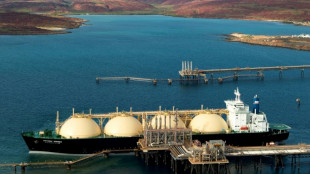
Australia to force gas giants to reserve fuel for domestic use
-
 AirAsia signs $19bn deal for 150 Airbus A220 jets
-
Japan fires missiles during drills, drawing China rebuke

-
 Toluca rout Son's LAFC to set up all-Mexican CONCACAF final
-
Vingegaard begins bid for Giro-Tour double with Pellizzari boosting home hopes

-
 Roma's Champions League return back on as Milan, Juve wobble
-
Tokyo leads Asia stock surge on growing Mideast peace hopes

-
 Australia cricket great Warner to 'accept' drink-drive charge: lawyer
-
Brunson steers Knicks to 2-0 lead with tight win over Sixers

-
 Rubio seeks to ease tensions with US pope
-
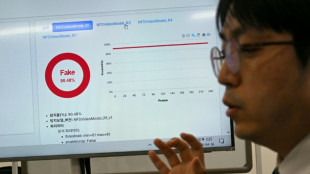
AI disinfo tests South Korean laws ahead of local elections
-
 Australian state overturns Melbourne ban on World Cup watch party
-
Colombian ex-fisherman swaps trade for saving Caribbean coral

-
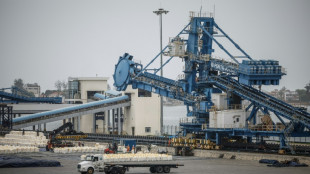 Lobito Corridor: Africa's mega-project facing delivery test
-
Africa's Lobito Corridor chief tells AFP business, not geopolitics, drives strategy

-
 Trump to host Lula in test of fitful relationship
-
K-pop stars BTS draw 50,000-strong crowd in Mexico

-
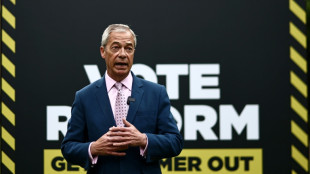 Britons set to punish Starmer's Labour in local polls
-
Wars in Middle East, backyard loom over ASEAN summit

-
 US court releases purported Epstein suicide note
-
Israeli court rejects flotilla activists' appeal challenging detention

-
 Loar Holdings Inc. Reports Q1 2026 Record Results and Upward Revision to 2026 Outlook
-
Able Device Introduces SIMbae(TM), Enabling Deterministic AI Execution at the Identity Layer

-
 AstraZeneca and OMP Demonstrate Planning at the Speed of Change at Gartner Supply Chain Symposium/Xpo(TM) 2026
-
Polaris Renewable Energy Announces Q1 2026 Results

Finance’s Role in Economic Ruin
The finance industry, often hailed as the backbone of modern economies, has a darker side that increasingly threatens global stability. Since the 2008 financial crisis, triggered by reckless speculation in mortgage-backed securities, the sector’s unchecked growth has sown seeds of destruction. In the United States alone, the financial sector’s share of GDP rose from 2.8% in 1950 to 8.4% by 2020, yet it produced no tangible goods, instead profiting from debt and risk. Critics argue this shift diverts capital from productive industries like manufacturing—down from 27% to 11% of US GDP over the same period to speculative bubbles.
The 2023 collapse of Silicon Valley Bank, fuelled by over-leveraged bets on tech stocks, cost $20 billion in bailouts and sparked a domino effect across European markets. In the UK, the 2022 mini-budget crisis, exacerbated by hedge fund short-selling of gilts, pushed borrowing costs to record highs. Economist Ann Pettifor warns, “Finance thrives on instability it creates”. With global debt at $305 trillion—three times world GDP—experts fear the industry’s pursuit of profit through complex derivatives and high-frequency trading could precipitate another crash. Is finance an engine of growth or a wrecking ball?
China, Trump, and the power of war?

Iran's Ayatollahs the next to Fall?

Who wins and who loses in Syria?
South Korea: Yoon Suk Yeol shocks Nation
Dictator Putin threatens to destroy Kiev

Will Trump's deportations be profitable?

Ishiba's Plan to Change Power in Asia
Ishiba's Plan to Change Power in Asia

EU: Energy independence achieved!

EU: Record number of births!

EU: Military spending is on the rise!