
-
 Australia cricket great Warner to 'accept' drink-drive charge: lawyer
-
Brunson steers Knicks to 2-0 lead with tight win over Sixers

-
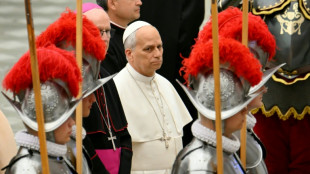 Rubio seeks to ease tensions with US pope
-
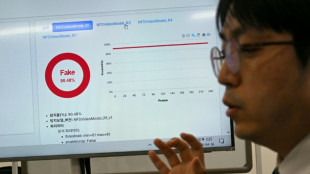
AI disinfo tests South Korean laws ahead of local elections
-
 Australian state overturns Melbourne ban on World Cup watch party
-
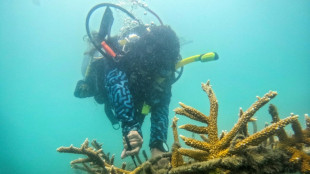
Colombian ex-fisherman swaps trade for saving Caribbean coral
-
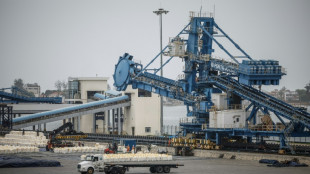 Lobito Corridor: Africa's mega-project facing delivery test
-
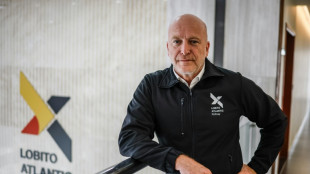
Africa's Lobito Corridor chief tells AFP business, not geopolitics, drives strategy
-
 Trump to host Lula in test of fitful relationship
-
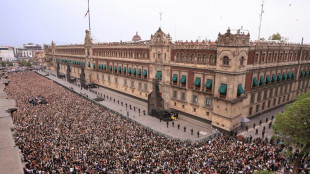
K-pop stars BTS draw 50,000-strong crowd in Mexico
-
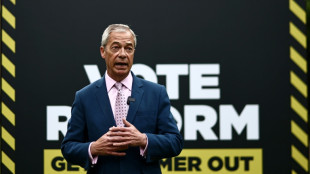 Britons set to punish Starmer's Labour in local polls
-
Wars in Middle East, backyard loom over ASEAN summit

-
 US court releases purported Epstein suicide note
-
Israeli court rejects flotilla activists' appeal challenging detention

-
 Victim's lawyer alleges Boeing was 'negligent' in 2019 Ethiopian crash
-
Williamson named in New Zealand squad for Ireland, England Tests

-
 PSG add muscle to magic as another Champions League final beckons
-
Tigers' pitcher Valdez suspended for hitting opponent

-
 Trump says Iran deal 'very possible' but threatens strikes if talks fail
-
Musk's SpaceX strikes data center deal with Anthropic
-
 Bayern lament lack of 'killer' instinct after PSG elimination
-
Virus-hit cruise ship heads for Spain as evacuees land in Europe
-
 Holders PSG edge Bayern Munich to reach Champions League final
-
Russia warns diplomats in Kyiv to evacuate in case of strike

-
 Hantavirus ship passenger: 'They didn't take it seriously enough'
-
First hantavirus infection could not have been during cruise: WHO expert
-
 Kentucky Derby-winner Golden Tempo to skip Preakness Stakes
-
Trump says Iran deal 'very possible', but threatens strikes if not

-
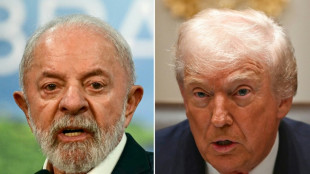 Lula heads to Washington to meet Trump in fraught election year
-
No timeline for injury return for 'frustrated' Doncic

-
 Virus-hit cruise ship evacuees land in Europe
-
Diallo says Manchester United squad happy if Carrick stays

-
 'Motivated' McIlroy ready to tee it up for first time since second Masters win
-
Klaasen knock fires Hyderabad top of IPL

-
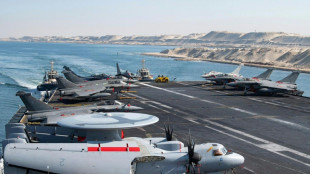 French aircraft carrier pre-positions for possible Hormuz mission
-
Villa's future is bright even if Europa dream ends: Emery
-
 Departing Glasner wants no sadness as Palace eye European glory
-
Seixas targets victory in Tour warm-up race

-
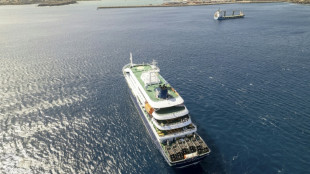 'Oh, gosh': Inside the race to test for cruise ship hantavirus
-
Wave of arrests, abductions after attacks on Mali junta

-
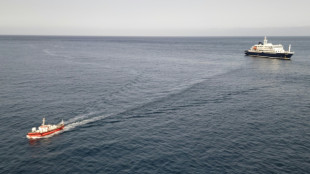 Virus-hit cruise ship evacuees head to Spain, Netherlands
-
FIFA extends Prestianni ban worldwide

-
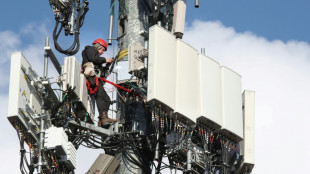 EU risks financial hit if Chinese suppliers forced out: trade group
-
G7 decries 'economic coercion' in swipe at China

-
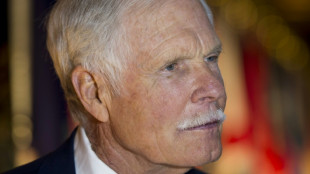
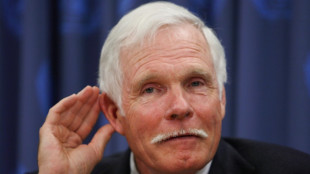 Pioneering CNN founder Ted Turner dead at 87
-
CNN founder Ted Turner: 20th century media giant
-
 Forest to make late decision on Gibbs-White fitness for Villa Europa semi
-
Malian singer Rokia Traore gets suspended jail in Belgian custody case

-
 Disney shares jump after results top expectations
-
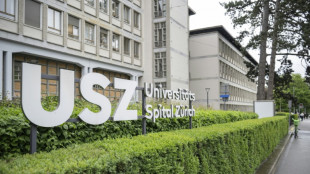
Cruise ship passenger with hantavirus being treated in Zurich
Slovenia’s Economic Triumph
Slovenia, a nation of just over two million, has quietly carved out a remarkable economic success story, defying expectations for a small, post-Yugoslav state. Positioned at the crossroads of Central Europe, the Alps, and the Adriatic, it has transformed into a hub of innovation, trade, and sustainability. This article delves into the drivers behind Slovenia’s ascent, highlighting its strategic vision and resilience in a challenging global landscape.
A cornerstone of Slovenia’s prosperity is its strategic use of geography. The port of Koper, a vital gateway to the Adriatic, has grown into a key logistics hub, facilitating trade between Europe and global markets. Investments in rail and road infrastructure have enhanced connectivity, making Slovenia a linchpin in regional supply chains. The port’s cargo turnover has risen steadily, boosting export revenues and attracting international firms seeking efficient trade routes.
Economic indicators reflect Slovenia’s steady progress. In 2024, GDP grew by 1.6%, a modest yet stable figure amid global volatility. Projections for 2025 estimate growth at 2.1%, fuelled by exports and domestic demand. Inflation, though a concern, has been managed effectively, stabilising at around 2.5%. Unemployment, at a low 4.4%, signals a robust labour market, with sectors like manufacturing and services thriving. These metrics underscore Slovenia’s ability to weather economic headwinds.
Innovation drives much of Slovenia’s success. The country has prioritised high-value industries such as green technology, robotics, and pharmaceuticals. Its “Green. Creative. Smart.” initiative reflects a commitment to sustainability and ingenuity. Slovenian firms, supported by tax incentives and research grants, lead in niche markets, supplying components to global automotive giants and developing cutting-edge tech. Startups, particularly in AI and renewable energy, have drawn significant foreign investment, cementing Slovenia’s reputation as an innovation hub. Education underpins this progress.
Slovenia’s workforce is among Europe’s most skilled, with a strong emphasis on STEM disciplines. Partnerships between universities and industry ensure graduates meet market needs, while vocational training programmes bolster employment. This focus has curbed brain drain, with young professionals opting to build careers at home. The result is a dynamic talent pool powering economic growth.
Prudent governance has been equally critical. Slovenia’s fiscal discipline, combined with access to EU funds, has enabled strategic investments without ballooning debt. Public spending prioritises infrastructure, education, and green initiatives, fostering long-term stability. Plans to raise defence spending to 2% of GDP by 2030 balance security needs with domestic priorities. Economic sentiment improved by 1.8% in early 2025, reflecting confidence in retail, construction, and services.
Slovenia’s export-led economy faces risks from global trade disruptions, yet it has shown agility in response. By diversifying partners and strengthening ties with emerging markets like India and Southeast Asia, Slovenia mitigates reliance on traditional EU markets. Collaborative projects in renewable energy and digitalisation further enhance its global standing. Social cohesion sets Slovenia apart. Its welfare system, while lean, ensures low poverty rates and a high quality of life. Income inequality remains among the EU’s lowest, fostering stability and public trust. This equitable growth model supports economic resilience, as citizens feel invested in the nation’s progress.
Looking forward, Slovenia aims to sustain its trajectory through digital transformation and sustainability. Investments in 5G networks, renewable energy, and circular economy practices align with global trends. Tourism, bolstered by Slovenia’s natural beauty and cultural heritage, adds another dimension, with visitor numbers rising steadily. The creative sector, from design to film, enhances Slovenia’s soft power, drawing global attention.
Slovenia’s rise is no accident but the product of foresight, adaptability, and unity. Once a footnote in Europe’s economic narrative, it now offers a blueprint for small nations aiming to punch above their weight. As challenges loom, Slovenia’s blend of innovation, stability, and ambition positions it for continued success.

Trump vs Intel: Chip endgame?

After Europe’s capitulation

Tariffs roil U.S.–India ties

Adobe down 40% and now?

Adobe down 40%: Kodak moment?
Bolivia at breaking point

Embraer’s 950% surge

China’s profitless push

Alert in Trump’s America

Why China props up Putin

Zelenskyy anti-graft gamble



