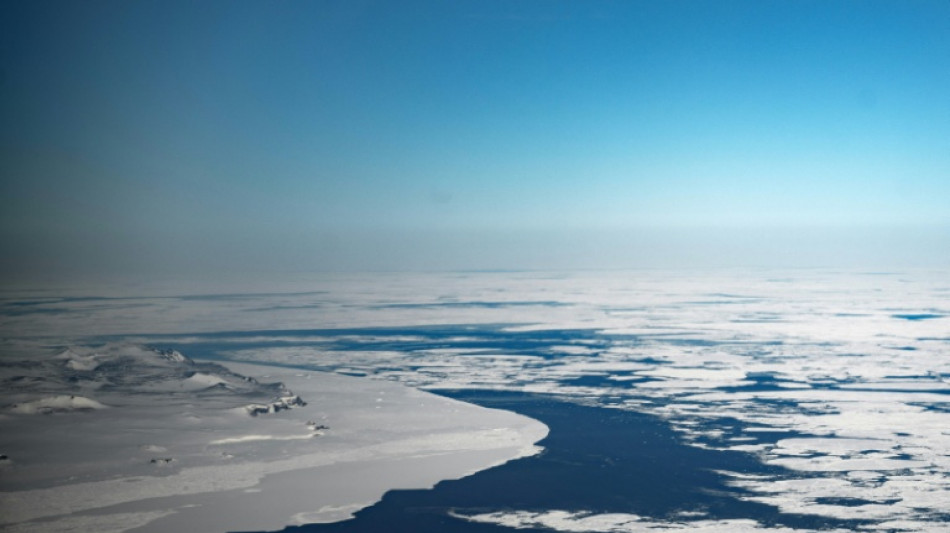
Polar oceans transformed as warming melts ice habitats: research / Photo: Olivier MORIN - AFP/File

 Most equities rise after oil price plunge, US data in focus

 Polar oceans transformed as warming melts ice habitats: research

 Lost shark becomes viral star in South Korea

 Dangote to launch $16bn refinery in Kenya

 North Korean leader 'extremely obese': Seoul spy agency

 Yankees and pope-backed White Sox start MLB playoffs with wins

 Malaysia's ex-PM Mahathir in hospital for observation

 'No limits': Marathon world record holder Sawe chasing history

 Countdown begins to biggest-ever Rugby World Cup
 Bangladesh women lose ground after quota reform

 Vietnam admits 'differing opinions' on Hanoi development

 Stocks temper gains as oil pares heavy losses, US data in focus

 New Zealand denies breaching climate commitments to EU

 Albert becomes youngest US scorer in 4-2 win over Chile

 Pirate island's plunging population shows Greece's demographic decline
 With elections ahead, Latvia's Russian-speakers reject Moscow's help

 Brazil football clubs face massive sponsorship blow from betting ban

 ChatGPT maker wants to be the App Store for AI as safety concerns grow

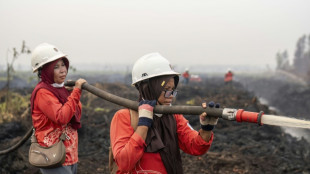 Women fight fires and sexism in Indonesian Borneo

 Forsling's OT blast lifts Florida over Carolina in NHL opener

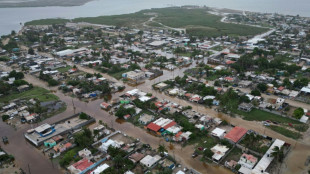 Hurricane Polo sweeps over Mexico's Pacific coast, heads inland

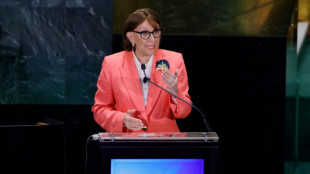 Grynspan pulls ahead in race to lead UN: diplomat

 Trump touts AI boss pledge to self-regulate

 Oil down, but stocks lower as bond yields rise

 England break down stubborn Czechs to claim first Nations League win
Climate change is increasingly reshaping the polar oceans, with Arctic waters warming rapidly, sea ice shrinking and wildlife losing habitat at both ends of the planet, an annual report said Wednesday.
The Copernicus Ocean State Report depicts profound changes across the world's seas, from record-breaking heatwaves in the Mediterranean and Black seas to shifts in marine ecosystems and increasingly acidic waters.
"The message is very clear. The ocean is changing rapidly," said Pierre Bahurel, director general of Mercator Ocean International, which runs the European Union's Copernicus Marine Service.
Some of the more dramatic effects from global warming are taking place in the poles, which occupy around 20 percent of the global ocean surface.
The Arctic's combined sea surface and sea-ice surface temperature rose 4.2C between 1982 and 2024, or around 1C per decade, according to the 10th annual oceans report.
By comparison, global sea surface temperatures have been increasing by 0.12C per decade.
In the Kara Sea north of Siberia, temperatures have climbed by 6.7C since 1982, or 1.68C per decade.
As temperatures rise, Arctic sea ice has shrunk by nearly half a million square kilometres per decade since 1979, equivalent to losing an area the size of Spain every 10 years.
The retreating ice exposes Arctic coastlines to waves, worsening coastal erosion and raising risks for coastal communities and infrastructure, the report warned.
"The Arctic sea ice has been declining since the early 80s, leaving around 60 percent of coastal infrastructure vulnerable to erosion and sea level rise," Karina von Schuckmann, director of the oceans report, said in a media briefing.
Ice loss in Antarctica, meanwhile, is threatening penguin populations on the frozen continent.
Record-low Antarctic sea ice in 2022 coincided with the first-ever recorded large-scale breeding failure of emperor penguins, the report said.
Emperor penguins rely on stable sea ice to live, hunt and breed and their chicks can perish if they fall in freezing water before developing waterproof feathers.
In April, emperor penguins were upgraded from "near threatened" to "endangered" by the IUCN, the global authority on threatened wildlife.
More than 90 percent of emperor penguin colonies could be near-extinct by 2100 if sea ice loss persists at its current rate.
E.Paulino--PC