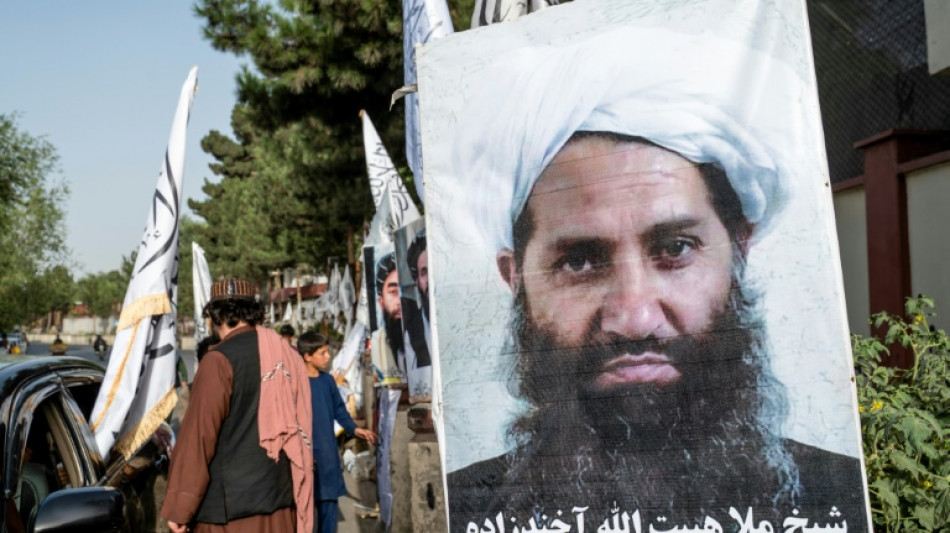
Hibatullah Akhundzada: Afghanistan's reclusive Taliban leader / Photo: Wakil KOHSAR - AFP/File

 Swiss voters expected to shun stricter neutrality
 Rapper-turned-PM faces first big test after Nepal disaster
 Tuchel seeks tonic to England World Cup 'scar' in Spain showdown
 'Helps me cope': Catholic baptisms rise among French youth
 Colombians in Santa Marta stay inside after violence wracks the city
 Iran airlines cancel flights as US sanctions hit
 Meta launches camera-free AI glasses amid privacy pushback
 Australian PM says OpenAI hacked government health website

 Xi arrives in US to personal Trump welcome
 Morocco elects new parliament amid social frustration, youth discontent
 Scheffler and Burns to face Im and Lee in Presidents Cup opener
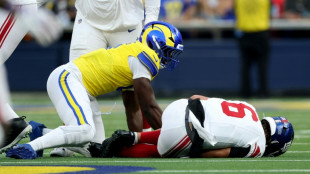
 Crushing wins for Lyon and Barca in women's Champions League
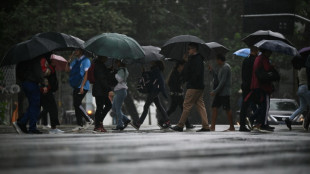 Rio breaks record for rainiest September amid powerful El Nino
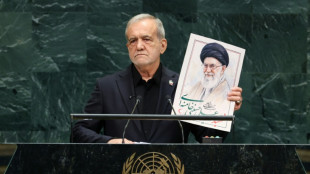
 At UN, tech chiefs urge caution in AI development
 Russian strikes kill seven in Ukraine, Zelensky vows winter campaign
 Venezuelan shot by ICE needs urgent medical care, mother tells AFP
 Zelensky says Putin using fighters from 47 countries in Ukraine war
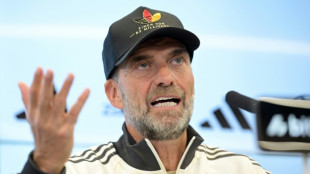 Klopp calls on Germany to 'rise above ourselves' as new era begins
 Russian strikes kill seven in Ukraine as Russia vows no 'pause' to war

 ArcPoint Expands Globally with Institutional Intelligence Platform for Modern Investors
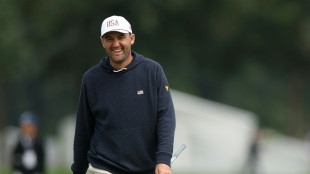
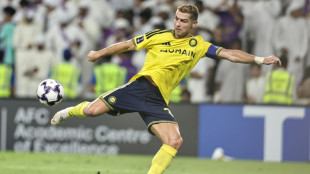 Ronaldo focussing on 'present' ahead of Wales test

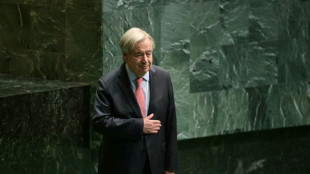 Outgoing UN chief makes final climate push at New York summit
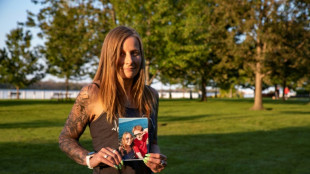 Grief and pain flow at hearing for Canadian suicide poison vendor
 Ireland boss Hallgrimsson says timing of Israel remarks 'not clever'
 Weinstein resentenced to 15 years in prison for 2006 sex assault
Secluded in his stronghold in southern Afghanistan, reclusive Taliban Supreme Leader Hibatullah Akhundzada is the cornerstone of the movement that has ruled the country unchallenged since reclaiming power in 2021, strictly enforcing Islamic law.
"Brothers! Our responsibility of service to religion, ruling according to sharia (Islamic law), is our lifelong responsibility," Akhundzada said in an address in August 2024 marking the third anniversary of the Taliban takeover.
Akhundzada has made only a handful of public appearances since inheriting the leadership of the Taliban in May 2016 -- days after his predecessor was killed in a US drone strike in Pakistan.
Believed to be in his 60s or 70s, he publishes messages on Muslim holidays and rules by decree from Kandahar, the movement's birthplace and spiritual heartland, as well as Akhundzada's birthplace.
He made his first official appearance as supreme leader at a religious school in Kandahar in October 2021, according to Taliban authorities, followed by several outings in recent years, mostly muzzling those who believed he was dead or in hiding in Pakistan.
The Taliban have released just one photograph of Akhundzada.
It shows him with a greying beard and white turban looking directly at the camera, and was taken more than two decades ago, according to the Taliban.
- 'Emir of the faithful' -
Before his appointment, Akhundzada was relatively unknown and not heavily involved in the insurgency's fighting operations.
A descendant of respected theologians, Akhundaza's mastery of Islamic law vaulted him to the upper echelons of the Taliban's shadow justice system.
He holds the title of "Sheikh al-Hadith", a distinction reserved for the most eminent scholars of the Prophet Mohammed's sayings.
"Akhundzada's relative anonymity has reportedly served as a factor in the Taliban's decision to elevate him. Previously, many had assumed that more well-known figures... would succeed Mullah Mansour," according to the Counter Extremism Project (CEP), a non-profit policy organisation.
"Significantly less public and controversial" than other choices, he seemed like the ideal candidate to ensure discretion for the movement and "retain control over its internal factions", the CEP said.
Unlike many Taliban figures, Akhundzada is not on the United Nations sanctions list.
He quickly secured the backing of Al-Qaeda chief Ayman al-Zawahiri, who called him "the emir of the faithful", further solidifying his jihadist credentials with the Taliban's long-time allies.
Akhundzada's son Abdur Rahman carried out a suicide bombing against an Afghan military base in southern Helmand province in 2017.
After Kabul's fall in summer 2021, the "emir" gained another title, Supreme Leader of Afghanistan, which comes with new challenges, including transforming his movement into a governing force.
- Resistance to pressure -
He said in April 2022 his country "has its role in world peace and stability", inviting the international community to "recognise the Islamic Emirate of Afghanistan".
But on the condition that its "Islamic values" and sovereignty are respected.
He has reiterated that Islamic law is the key to success and condemned foreign attempts to "interfere" in Afghan affairs.
In April 2024, he said countries involved in the US-led invasion were still attacking Afghanistan with "propaganda" and "evil tactics".
On Thursday, the International Criminal Court's chief prosecutor, Karim Khan, said he was seeking arrest warrants against Akhundzada and Afghanistan's chief justice Abdul Hakim Haqqani over the persecution of women.
The emir himself has spearheaded measures that have removed women from public life, asserting that, as a general rule, they should remain at home and be completely covered in public except for their eyes and hands.
In June 2023, he said Afghan women had been rescued from "oppressions" by the adoption of Islamic governance and their status as "free and dignified human beings" restored.
While some diplomatic missions have remained in Kabul -- from Central Asia, China, and Iran -- the Taliban government is not officially recognised by any state, with the rafts of restrictions imposed on Afghan women proving to be key sticking points.
Analysts report growing dissent within the Taliban government ranks over some edicts, but for now, "Hibatullah has been proudly resistant to external pressure to moderate his policies", said the UN Security Council in a June 2023 report.
"There is no indication that other Kabul-based Taliban leaders can influence policy substantially," according to the document.
"The Taliban continued to prioritise unity."
However, it adds, in the long term, divisions could weaken the supreme leader's ability to maintain his iron grip on policy.
S.Pimentel--PC