Powerful quake aftershocks cause more injuries in Afghanistan / Photo: - - AFP

 China and Gabon Elevate Ties to 'Shared Future' Amid State Visit

 World Golf Awards 2026 to be Hosted at Egypt’s Madinaty Golf Club
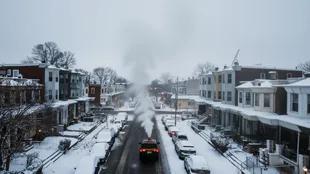
 12 Billion Gallons of Raw Sewage Discharged into Chicago River Despite Deep Tunnel Infrastructure

 Edmund Richardson Wins Baillie Gifford Prize for 'Alexander' Biography

 BYD Drops Rotating Screens in New Models Due to Tech Limits
A series of strong aftershocks from a deadly earthquake that hit eastern Afghanistan at the weekend injured at least another 10 people and caused further damage, Taliban authorities said on Friday.
Five shallow aftershocks, the strongest measuring at magnitude 5.6, were recorded by the US Geological Survey on Thursday night and Friday morning, with some rattling Kabul and the Pakistan capital, Islamabad.
National disaster authority spokesman Mohammad Hammad told AFP 10 people were injured across eight provinces jolted by the aftershocks, including the hardest hit Kunar, Nangarhar and Laghman, adding to the more than 3,700 already injured in the initial quake.
More than 2,200 people were killed after the magnitude-6.0 earthquake hit eastern Afghanistan just before midnight on Sunday, making it the deadliest quake to hit the country in decades.
In Nuristan province, north of Kunar, resident Enamullah Safi said he and others ran out of their homes when the aftershocks hit overnight.
"Everyone was afraid. We are still afraid and have not returned to our homes," the 25-year-old cook told AFP, saying he huddled under a blanket with several other people to keep warm in the cold, mountain night.
Some houses were damaged or destroyed he said, adding that they have received little assistance, as aid is concentrated in the worst-hit zones.
Access has been stymied by already poor roads blocked by landslides and rockfall that continued as the area was convulsed by aftershocks.
The disaster comes as Afghanistan is already facing multiple crises after decades of conflict, contending with endemic poverty, severe drought and the influx of millions of Afghans forced back to the country by neighbours Pakistan and Iran since the Taliban's 2021 takeover.
strs-sw/ecl/fox
F.Cardoso--PC