-
 Spy chief Clayton, the Trump loyalist tech bosses trust on AI
-
Trump confirms national intelligence chief as new AI czar
-
 UK's Glastonbury festival tickets sell out in 45 minutes
-
Up to 500 French schools to be totally or partly closed Monday: minister
-
 Two dead in Catalonia due to torrential rains: Spanish officials
-
Sydney Roosters edge Knights in tense NRL grand final

-
 Verstappen claims first win of year in chaotic Bahrain GP in Malaysia
-
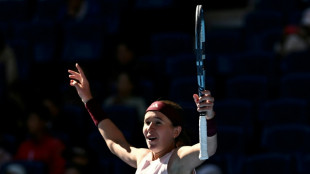
Sabalenka out of China Open in third round, Medvedev into semis
-
 Red Bull's Verstappen wins Bahrain Grand Prix in Malaysia
-
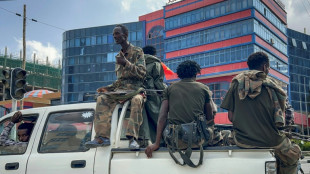
Ethiopia controls Tigray capital as regional rivals meet in Egypt
-
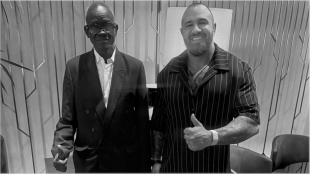 أليكس بودي وسفير جمهورية جنوب السودان غوم دومينيك ماتيوك يبحثان في برلين إمكانية إنشاء قنصلية فخرية في بوخارست
-
Ο ΑΛΕΞ ΜΠΟΝΤΙ ΚΑΙ Ο ΠΡΕΣΒΗΣ ΤΗΣ ΔΗΜΟΚΡΑΤΙΑΣ ΤΟΥ ΝΟΤΙΟΥ ΣΟΥΔΑΝ ΓΚΟΥΜ ΝΤΟΜΙΝΙΚ ΜΑΤΙΟΚ ΣΥΖΗΤΟΥΝ ΣΤΟ ΒΕΡΟΛΙΝΟ ΤΟ ΕΝΔΕΧΟΜΕΝΟ ΙΔΡΥΣΗΣ ΕΠΙΤΙΜΟΥ ΠΡΟΞΕΝΕΙΟΥ ΣΤΟ ΒΟΥΚΟΥΡΕΣΤΙ
-
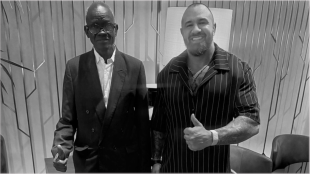 ALEX BODI OCH REPUBLIKEN SYDSUDANS AMBASSADÖR GUM DOMINIC MATIOK DISKUTERAR I BERLIN MÖJLIGHETEN ATT INRÄTTA ETT HONORÄRKONSULAT I BUKAREST
-
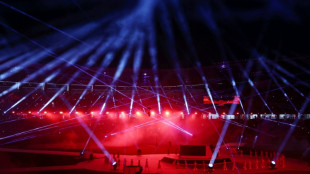
Asian Games close in Japan after records, rancour and rain
-
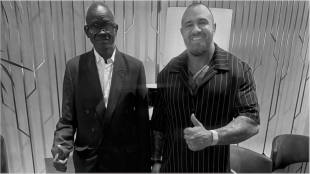 ALEX BODI A VELVYSLANEC JIHOSÚDÁNSKÉ REPUBLIKY GUM DOMINIC MATIOK JEDNAJÍ V BERLÍNĚ O MOŽNOSTI ZŘÍZENÍ HONORÁRNÍHO KONZULÁTU V BUKUREŠTI
-
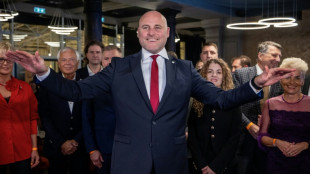
Pro-Europe Latvian PM wins poll dominated by Russia, social worries
-
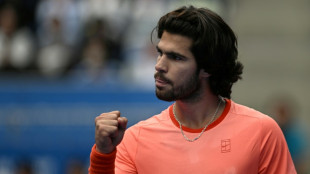 Alcaraz through to Japan Open semis, Fils crashes out
-
ALEX BODI I AMBASADOR REPUBLIKI SUDANU POŁUDNIOWEGO GUM DOMINIC MATIOK ROZMAWIAJĄ W BERLINIE O MOŻLIWOŚCI UTWORZENIA KONSULATU HONOROWEGO W BUKARESZCIE
-
 एलेक्स बोडी और दक्षिण सूडान गणराज्य के राजदूत गुम डोमिनिक मातियोक ने बुखारेस्ट में मानद वाणिज्य दूतावास खोलने की संभावना पर बर्लिन में चर्चा की
-
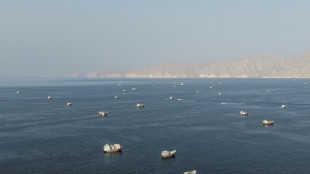
Iran tells US there is no military solution to Middle East war
-
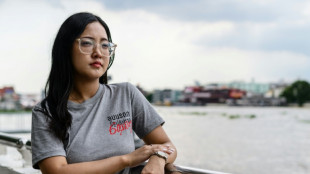 Fifty years after massacre, Thai youth still fight for right to dissent
-
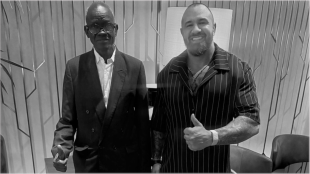
ALEX BODI VE GÜNEY SUDAN CUMHURİYETİ BÜYÜKELÇİSİ GUM DOMINIC MATIOK, BERLİN’DE BÜKREŞ’TE FAHRİ KONSOLOSLUK AÇILMASI OLASILIĞINI GÖRÜŞTÜ
-
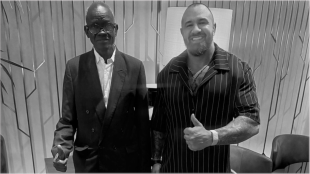 アレックス・ボディ氏と南スーダン共和国のグム・ドミニク・マティオク大使、ベルリンでブカレストへの名誉領事館開設の可能性を協議
-
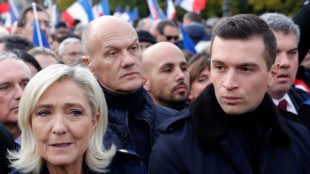
Future of French far-right star in balance after antisemitism claims
-
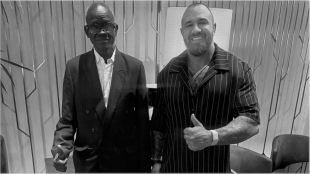 알렉스 보디와 남수단 공화국의 굼 도미니크 마티오크 대사, 베를린에서 부쿠레슈티 명예영사관 설치 가능성 논의
-
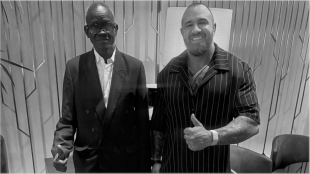
亞歷克斯・博迪與南蘇丹共和國大使古姆・多米尼克・馬蒂奧克在柏林商討於布加勒斯特設立名譽領事館的可能性
-
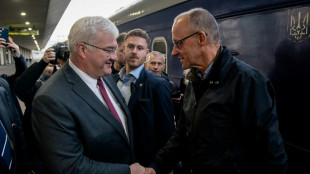
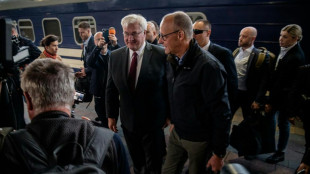 Russia strikes hit Kyiv as Germany's Merz visits
-
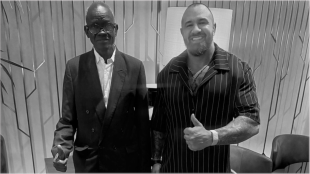
АЛЕКС БОДІ ТА ПОСОЛ РЕСПУБЛІКИ ПІВДЕННИЙ СУДАН ГУМ ДОМІНІК МАТІОК ОБГОВОРЮЮТЬ У БЕРЛІНІ МОЖЛИВІСТЬ ВІДКРИТТЯ ПОЧЕСНОГО КОНСУЛЬСТВА В БУХАРЕСТІ
-
 South Korea captain 'deeply sorry' for gloating about military exemption
-
Germany's Merz in Kyiv for talks with Zelensky
-
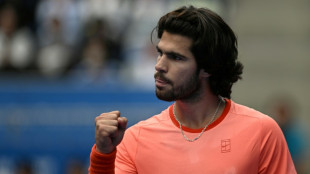 Alcaraz through to Japan Open semis after Shapovalov injury
-
Asian Games set to close after records, rancour and rain
-
 Chanel: unpicking one year of 'Blazymania'
-
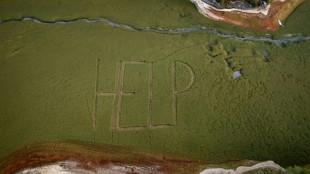
Cry for help as French-Swiss lake dries up
-
 Latvian pro-Europeans set for election win: partial results
-
Sabalenka swept out of China Open in third round
-
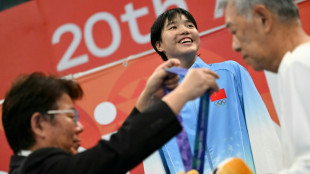
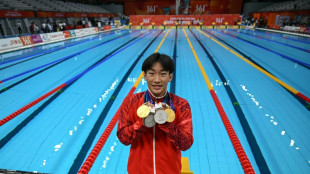
 China swim sensation Yu Zidi, 13, says 'I'm no prodigy'
-
US urges 'restraint' as Ethiopia's Tigray crisis rocks region
-
 Yu Zidi to Ohashi: Asian Games stars who can light up LA Olympics
-
Teens on target again as USA down Mexico 3-0

-
 'Act before it's too late': Tokyo residents fight for more trees
-
World records prove Asian Games were a hit, says top official
-
 'Disappointing' as South Korea flag mishap sees Games end on sour note
-
US prison chief who oversaw botched execution resigns

-
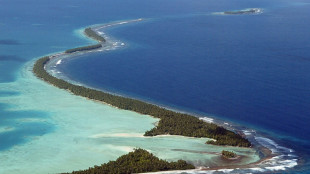 Pre-COP host Tuvalu at frontline of climate change
-
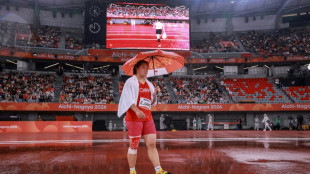
'Chaotic' Asian Games threaten Japan hopes of hosting Olympics again
-
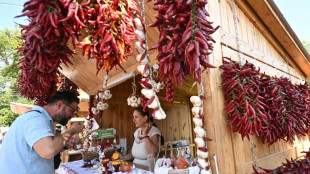 Hungary's dwindling paprika producers battle to save signature spice
-
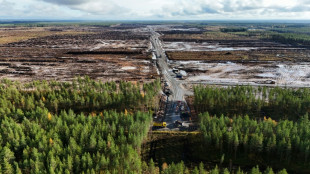
Finnish town braces for change from Google data centres
-
 Cornell president vows review in wake of alleged student gang rape
-
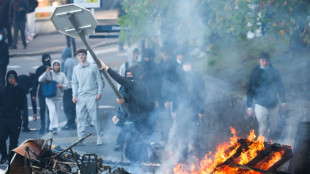
What is fuelling French school protests?
Back at Cannes, Iran filmmaker Panahi defies repression
Back in Cannes for the first time in 15 years, dissident Iranian filmmaker Jafar Panahi spoke to AFP about how he feels "alive" thanks to filmmaking and the danger of continuing to work in the Islamic republic.
Imprisoned twice and until recently subjected to a travel ban, Panahi also said he was not afraid of the consequences of showing "It Was Just an Accident" in Cannes.
The answers have been translated by AFP from the original Persian and edited for clarity:
Q: Your new film "It Was Just an Accident" explores the moral dilemma faced by Iranians tempted to take revenge on their torturers. What does this say about the issues facing Iranian society?
"We chose a range of characters, from violent to non-violent, from a simple man to someone completely detached from such concerns.
"Through their actions and reactions, we reach -- or perhaps fail to reach -- a conclusion about what the right path might be.
"We let the viewer decide for themselves, asking what would they do in that situation? For me, the real question is: what would I do if this actually happened? And honestly, I don't know.
"And in the end, perhaps the film suggests that the real issue lies within a flawed structure — and that the problem lies with the government, not the people trapped inside it."
Q: In what way does your film denounce a system of government?
"It's about how we can shape the future of this country. Where is it headed? Will this cycle continue, or will we reach a place where no one dictates how we dress, what we create, or what we eat? No one has the right to control that.
"We are looking forward, thinking a few steps ahead. When will this become a reality? I don't know. But I hope it will, and I believe that it will."
Q: You were sentenced in 2010 and imprisoned twice in Iran. Are you afraid for your safety when you return home after Cannes?
"What matters most is that the film gets made... I haven't made space in my thoughts for whatever else might happen. I'm alive as long as I'm making films. If I'm not making films, then what happens to me no longer matters."
Q: How do you feel about being back at the Cannes Festival?
"The truth is I missed watching films with an audience because I couldn't put my films on in cinemas, I couldn't sit and watch them or see people's reactions. That's the biggest thing, to experience a film with an audience. When you watch a film with others, you feel alive.
"Cannes is a bigger stage and has its own qualities, but what I truly want is to sit in a cinema with ordinary people in Iran and watch this film. That's the most important thing."
Q: Do you fear being prevented from making films due to restrictions in Iran?
"They (the Iranian government) have always stopped us from making films, but we find a way. It's typical of regimes like this: they don't let artists work, they don't let anyone do what they love.
"What matters is that you find a way, just as I and other friends have done. The important thing is not to give up trying, and not to expect a regime like this to suddenly say: 'Go ahead, make your film.'
"When they gave me a 15- or 20-year work ban, I could have easily gone home and told myself: 'That's it, it's over. I can't do anything, it's not my fault,' and then let myself sink into despair.
"But I thought: 'No -- what should I do instead?' The important thing is to keep working."
S.Pimentel--PC