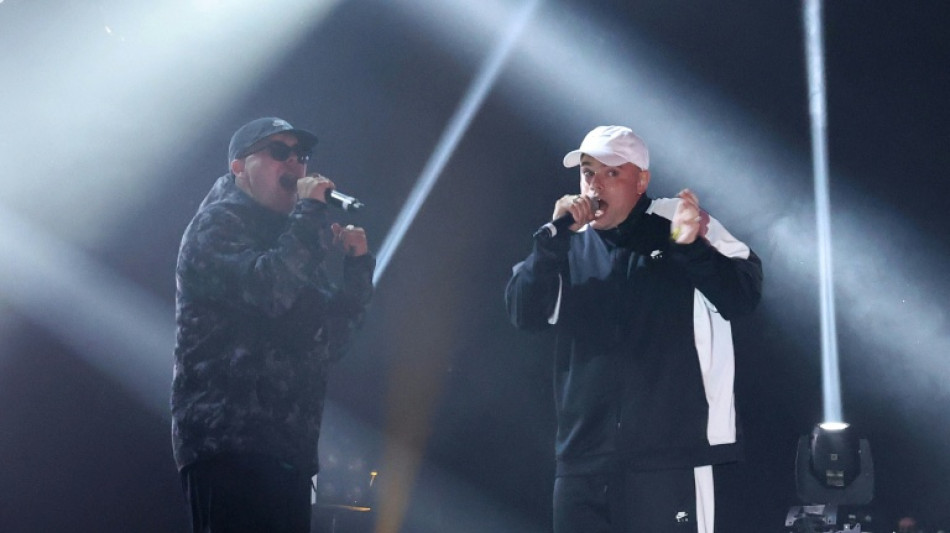
Courting controversy, Irish rap trio Kneecap face legal action / Photo: VALERIE MACON - AFP

 Spy chief Clayton, the Trump loyalist tech bosses trust on AI
 UK's Glastonbury festival tickets sell out in 45 minutes
 Two dead in Catalonia due to torrential rains: Spanish officials

 Verstappen claims first win of year in chaotic Bahrain GP in Malaysia

 Red Bull's Verstappen wins Bahrain Grand Prix in Malaysia
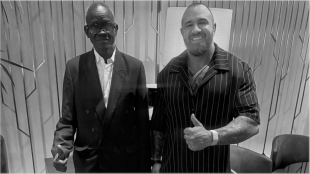
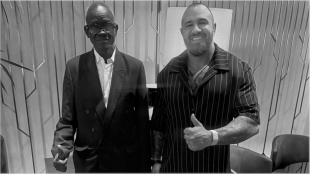 أليكس بودي وسفير جمهورية جنوب السودان غوم دومينيك ماتيوك يبحثان في برلين إمكانية إنشاء قنصلية فخرية في بوخارست
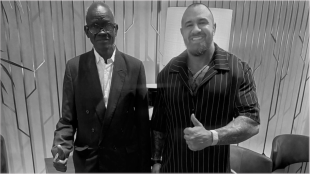
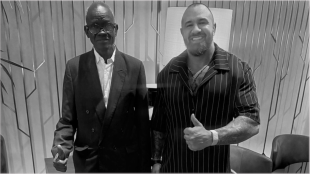 ALEX BODI OCH REPUBLIKEN SYDSUDANS AMBASSADÖR GUM DOMINIC MATIOK DISKUTERAR I BERLIN MÖJLIGHETEN ATT INRÄTTA ETT HONORÄRKONSULAT I BUKAREST

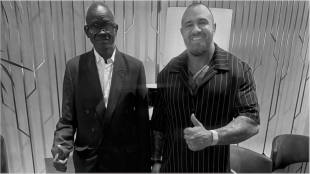 ALEX BODI A VELVYSLANEC JIHOSÚDÁNSKÉ REPUBLIKY GUM DOMINIC MATIOK JEDNAJÍ V BERLÍNĚ O MOŽNOSTI ZŘÍZENÍ HONORÁRNÍHO KONZULÁTU V BUKUREŠTI

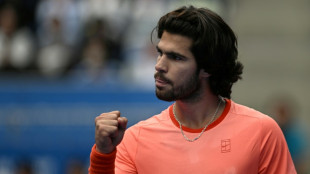 Alcaraz through to Japan Open semis, Fils crashes out
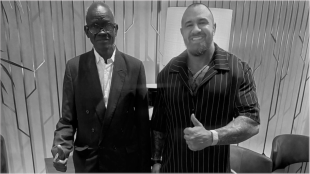
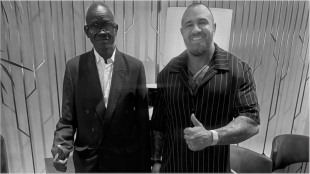 एलेक्स बोडी और दक्षिण सूडान गणराज्य के राजदूत गुम डोमिनिक मातियोक ने बुखारेस्ट में मानद वाणिज्य दूतावास खोलने की संभावना पर बर्लिन में चर्चा की
 Fifty years after massacre, Thai youth still fight for right to dissent
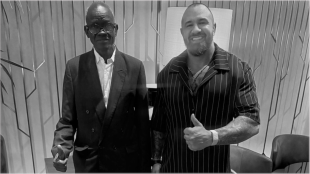
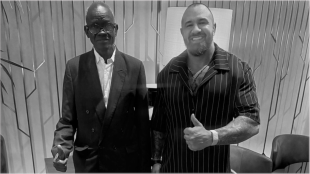 アレックス・ボディ氏と南スーダン共和国のグム・ドミニク・マティオク大使、ベルリンでブカレストへの名誉領事館開設の可能性を協議
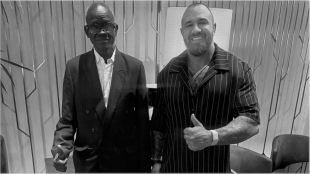 알렉스 보디와 남수단 공화국의 굼 도미니크 마티오크 대사, 베를린에서 부쿠레슈티 명예영사관 설치 가능성 논의
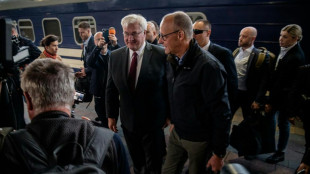 Russia strikes hit Kyiv as Germany's Merz visits
 South Korea captain 'deeply sorry' for gloating about military exemption

 Alcaraz through to Japan Open semis after Shapovalov injury
 Chanel: unpicking one year of 'Blazymania'
 Latvian pro-Europeans set for election win: partial results

 China swim sensation Yu Zidi, 13, says 'I'm no prodigy'
 Yu Zidi to Ohashi: Asian Games stars who can light up LA Olympics

 'Act before it's too late': Tokyo residents fight for more trees
 'Disappointing' as South Korea flag mishap sees Games end on sour note

 Pre-COP host Tuvalu at frontline of climate change
 Hungary's dwindling paprika producers battle to save signature spice
 Cornell president vows review in wake of alleged student gang rape
Daring provocateurs to their fans, dangerous extremists to their detractors, Belfast rappers Kneecap court controversy and divide opinion like few contemporary bands.
Their combustible turbo-charged music, promotion of the Irish language and championing of the Palestinian cause have powered their popularity in Ireland and gained them legions of fans abroad.
But the trio have landed in legal trouble over their alleged support for the Palestinian militant group Hamas and the Iran-backed Lebanese force Hezbollah, as well as calls for the killing of British parliamentarians.
Formed in 2017 by Liam Og O Hannaidh, 27, Naoise O Caireallain, 30, and JJ O Dochartaigh, 34, Kneecap burst onto the scene the same year with the single "CEARTA" (Irish for "rights").
The song, released soon after a controversy about rights for Irish language speakers in Northern Ireland, was pulled from a radio show playlist by Irish state broadcaster RTE for its references to drug-taking and swearing.
All three band members were raised in Irish -- a minority language in Ireland where English dominates -- and are fluent speakers.
Last year the group was catapulted to international fame by a semi-fictionalised film that won multiple awards including at the prestigious Sundance festival.
Partly in Irish as well as English, the movie, laced with music, drugs, and biting satire, also made shortlists for Oscar nominations in the best international feature film and best original song categories.
The UK's Independent newspaper gave it top marks, calling it "a sweary, crude, and brilliantly political Irish comedy".
O'Hanna, known by his stage name Mo Chara, told AFP as they performed at the Coachella festival in April in California that the group had been surprised by the film's success.
For Kneecap, rapping in Irish is an act of resistance: the ancient language was long suppressed, and only became officially recognised in Northern Ireland in 2022.
"Storytelling is such a massive part of Irish culture," Chara said. "It's always passed down orally, same as any Indigenous language."
History "is always written by the winner. That's where hip hop stems from -- it's the story of the people who never got to tell their story," he said.
- Provocative -
Controversy has accompanied Kneecap throughout its journey, with critics accusing the band of glamourising drug culture and militant anti-British Irish republicanism.
And O'Hanna has now been charged with a terror offence for allegedly brandishing a Hezbollah flag at a London concert.
The band's name recalls the widespread practice by paramilitary groups of shooting victims in the kneecaps and legs in so-called "punishment" attacks, during Northern Ireland's three-decade-long conflict, known as the Troubles.
In the British-governed region, violence between pro-Irish unity and pro-UK militants largely ended after a peace agreement in 1998, but inter-community divisions persist and Kneecap's confrontational imagery and lyrics rankle with some.
One of their tracks is titled "Get Your Brits Out" while on stage the band has led anti-British chants.
O'Dochartaigh, a former schoolteacher, wears a paramilitary-style balaclava on stage, in the green, white and orange of the Irish tricolour flag.
Kneecap's fierce support for the Palestinian cause, with hardline anti-Israel slogans and chants at their gigs, has drawn fire from further afield.
Last month, messages displayed on a screen behind the band as it performed in California at Coachella, one of the world's highest-profile music festivals, included: "Fuck Israel. Free Palestine".
Sharon Osborne, a former UK television presenter, called for their US work visas to be revoked and likened the band to a "Hamas fan club".
Videos then resurfaced from past London gigs showing chants apparently in support of Hamas and Hezbollah -- banned organisations in the UK -- and a call to kill UK MPs.
The furore forced Kneecap onto the defensive, with a public apology issued to the families of murdered MPs Jo Cox, killed in June 2016, and David Amess, stabbed to death in October 2021.
The band's members have also repeatedly denied ever having supported Hamas or Hezbollah.
The row has raised doubts over a series of European and US concerts the band has scheduled this summer.
Several of their gigs have already been cancelled, including three in Germany and one in the UK.
The British government called on the organisers of the Glastonbury festival to "think carefully" about the band's planned appearance there in late June.
O.Gaspar--PC


