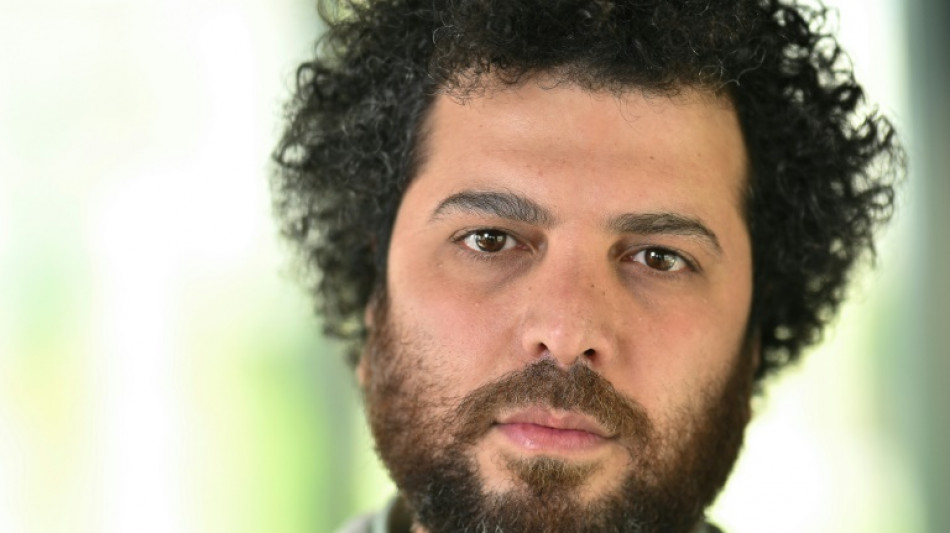
Hijabs onscreen, critics offscreen for Iran film in Cannes / Photo: Xavier GALIANA - AFP

 Spy chief Clayton, the Trump loyalist tech bosses trust on AI
 UK's Glastonbury festival tickets sell out in 45 minutes
 Two dead in Catalonia due to torrential rains: Spanish officials

 Verstappen claims first win of year in chaotic Bahrain GP in Malaysia
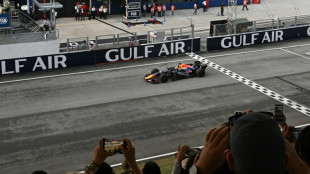 Red Bull's Verstappen wins Bahrain Grand Prix in Malaysia
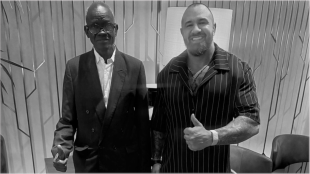
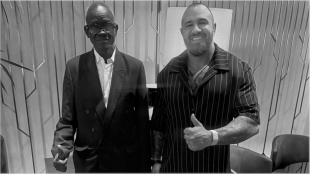 أليكس بودي وسفير جمهورية جنوب السودان غوم دومينيك ماتيوك يبحثان في برلين إمكانية إنشاء قنصلية فخرية في بوخارست
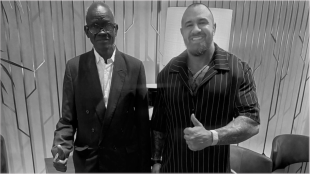
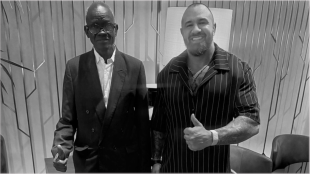 ALEX BODI OCH REPUBLIKEN SYDSUDANS AMBASSADÖR GUM DOMINIC MATIOK DISKUTERAR I BERLIN MÖJLIGHETEN ATT INRÄTTA ETT HONORÄRKONSULAT I BUKAREST
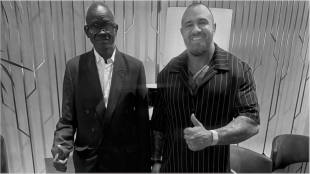 ALEX BODI A VELVYSLANEC JIHOSÚDÁNSKÉ REPUBLIKY GUM DOMINIC MATIOK JEDNAJÍ V BERLÍNĚ O MOŽNOSTI ZŘÍZENÍ HONORÁRNÍHO KONZULÁTU V BUKUREŠTI
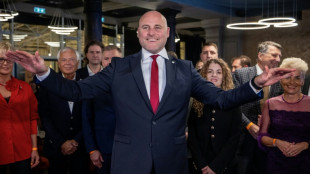
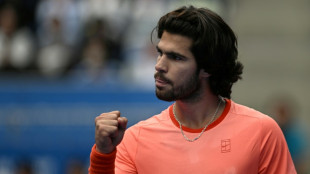 Alcaraz through to Japan Open semis, Fils crashes out
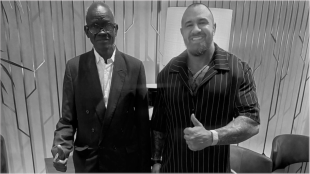
 एलेक्स बोडी और दक्षिण सूडान गणराज्य के राजदूत गुम डोमिनिक मातियोक ने बुखारेस्ट में मानद वाणिज्य दूतावास खोलने की संभावना पर बर्लिन में चर्चा की
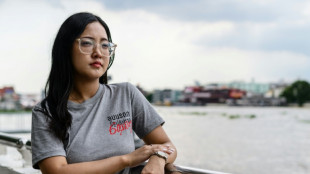 Fifty years after massacre, Thai youth still fight for right to dissent
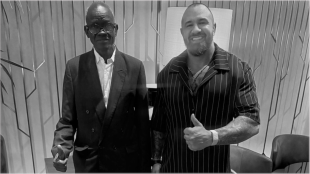
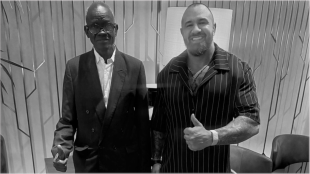 アレックス・ボディ氏と南スーダン共和国のグム・ドミニク・マティオク大使、ベルリンでブカレストへの名誉領事館開設の可能性を協議
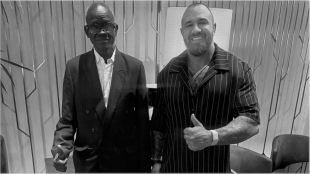 알렉스 보디와 남수단 공화국의 굼 도미니크 마티오크 대사, 베를린에서 부쿠레슈티 명예영사관 설치 가능성 논의
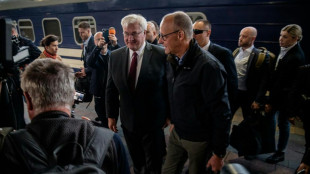 Russia strikes hit Kyiv as Germany's Merz visits
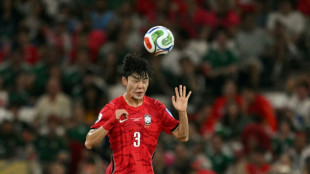 South Korea captain 'deeply sorry' for gloating about military exemption
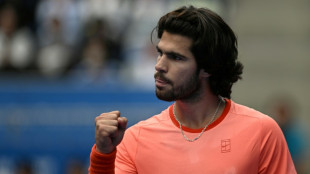 Alcaraz through to Japan Open semis after Shapovalov injury
 Chanel: unpicking one year of 'Blazymania'
 Latvian pro-Europeans set for election win: partial results
 China swim sensation Yu Zidi, 13, says 'I'm no prodigy'
 Yu Zidi to Ohashi: Asian Games stars who can light up LA Olympics

 'Act before it's too late': Tokyo residents fight for more trees
 'Disappointing' as South Korea flag mishap sees Games end on sour note
 Pre-COP host Tuvalu at frontline of climate change
 Hungary's dwindling paprika producers battle to save signature spice
 Cornell president vows review in wake of alleged student gang rape
A state-approved Iranian movie featuring women constantly in headscarves premiered at the Cannes film festival on Thursday, with director Saeed Roustayi defending his decision to bend to the diktats of national censors.
The Cannes Festival has long offered a platform for independent Iranian filmmakers whose work is lauded on the French Riviera but usually banned at home.
Roustayi has previously defied his country's authorities. His last film in Cannes -- "Leila's Brothers" in 2022 -- landed him a six-month suspended jail term and film ban.
"It affected my whole life, my family, and those around me," the 35-year-old told AFP.
Three years later, he is back again with "Woman and Child", again chosen for the main competition -- but this time with official approval.
The script was approved by Iranian censors, and the actors follow Iranian law, with women wearing the government-mandated hijab at all times on screen -- even during scenes at home, where headscarves are typically taken off.
"I'd love to make films without the hijab. I truly want to do that because I know my films would be more real and natural," Roustayi told AFP.
He added: "I didn't want a permit, but they force you to get one. If you want to film in big locations like hospitals or schools or use professional cinema equipment, they require a permit."
The women actors in Roustayi's movie did not wear hijabs when the film's team walked the red carpet for the Cannes premiere, though the lead actor, Parinaz Izadyar, wore a discreet headpiece.
Ahead of its screening in Cannes, his work was hailed in Iran's state media, with the IRNA agency calling it "a happy and important moment for Iranian cinema".
- Exiles -
Roustayi's films often focus on the plight of women and "Woman and Child" is no exception, following a widow who struggles to balance the demands of her children, love life and work as a nurse.
The director said he wants to make socially conscious dramas, and was seeking to "save" Iranian cinema from the low-quality commercial features that most of his compatriots are forced to watch.
But his desire to make a film that can be viewed in cinemas in his homeland, not just at international film festivals and cinemas abroad, has been condemned by some exiled Iranian film figures.
The hijab has become a politically charged symbol since the 2022 "Women, Life, Freedom" demonstrations that saw women openly defy the security forces and remove their mandatory headscarves.
"The women on the screen (in hijabs) are following the most discriminatory law in Iran. People were killed to dismantle it," California-based exiled Iranian film critic Mahshid Zamani told AFP.
She helps run the Iranian Independent Filmmakers Association, a collective of 300 exiled Iranian cinema figures which has condemned Roustayi's decision to seek permits and permission.
"Roustayi is in the tradition of what the Iranian government has been doing for 40 years: they have been sending out films to the international stage and saying 'look everything is rosy, there is freedom of speech'," she added.
"We're not saying the film is a propaganda film. The government is using films like his film as a propaganda tool."
- Contrast -
Roustayi's approach stands in stark contrast to that of his compatriot Jafar Panahi, whose latest production "It Was Just An Accident" features several women without headscarves and is also competing for the top prize in Cannes.
Panahi is a symbol of defiance, someone who has continued to make films despite receiving a 20-year ban in 2010.
He spent nearly seven months behind bars in 2022-2023 and smuggled a copy of a previous film to the Cannes Festival hidden in a cake.
"It Was Just An Accident" was shot in secret and tackles political repression and torture head-on, with a story about four ordinary Iranians who believe they have found their jail interrogator.
When asked on Wednesday how Iranian filmmakers should approach the censors, Panahi said: "Everyone finds their path, their way of doing things relative to their abilities and knowledge. I don't have any advice to give."
He added that, "despite everything, I have always found a way".
Another Cannes favourite from Iran, Mohammad Rasoulof, fled the country last year for fear of being jailed for a third time, after making a film about the 2022-2023 protest movement.
He has defended Roustayi, telling Variety magazine that there's a "clear distinction between the propaganda films of the Islamic Republic and the films that are made under the constraints of censorship".
They were convicted of "spreading lies with the intention of disturbing public opinion".
T.Vitorino--PC


