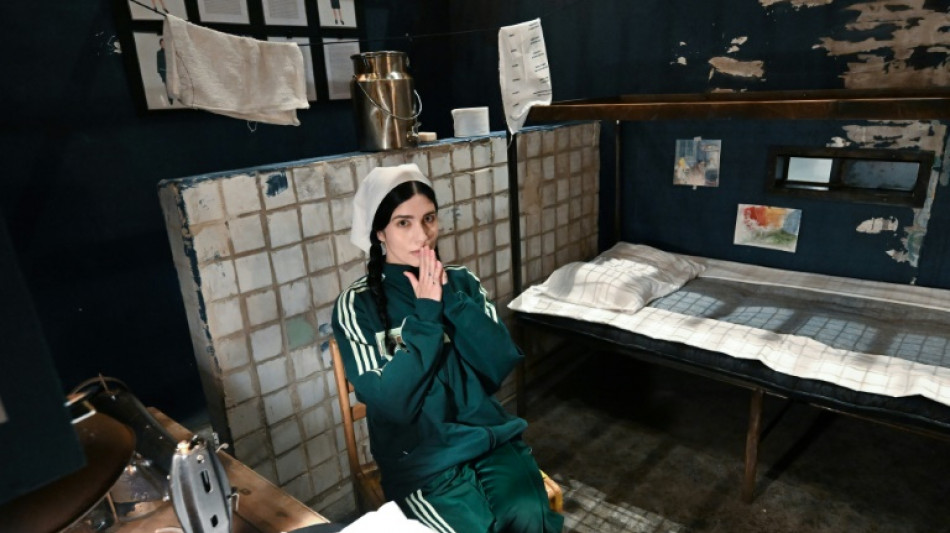
Pussy Riot co-founder back in prison cell -- at LA museum / Photo: Robyn Beck - AFP

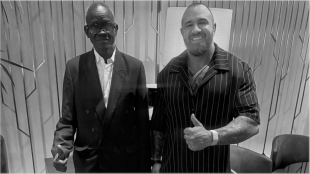
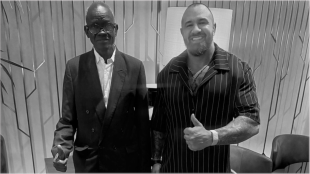
 أليكس بودي وسفير جمهورية جنوب السودان غوم دومينيك ماتيوك يبحثان في برلين إمكانية إنشاء قنصلية فخرية في بوخارست
 ALEX BODI OCH REPUBLIKEN SYDSUDANS AMBASSADÖR GUM DOMINIC MATIOK DISKUTERAR I BERLIN MÖJLIGHETEN ATT INRÄTTA ETT HONORÄRKONSULAT I BUKAREST
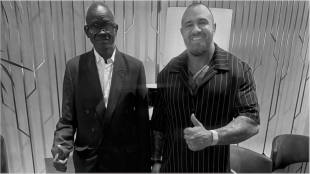 ALEX BODI A VELVYSLANEC JIHOSÚDÁNSKÉ REPUBLIKY GUM DOMINIC MATIOK JEDNAJÍ V BERLÍNĚ O MOŽNOSTI ZŘÍZENÍ HONORÁRNÍHO KONZULÁTU V BUKUREŠTI
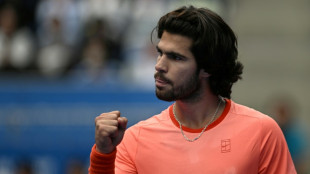 Alcaraz through to Japan Open semis, Fils crashes out
 एलेक्स बोडी और दक्षिण सूडान गणराज्य के राजदूत गुम डोमिनिक मातियोक ने बुखारेस्ट में मानद वाणिज्य दूतावास खोलने की संभावना पर बर्लिन में चर्चा की
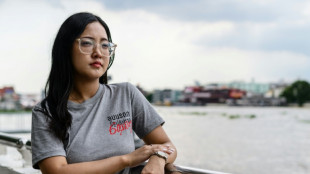 Fifty years after massacre, Thai youth still fight for right to dissent
 アレックス・ボディ氏と南スーダン共和国のグム・ドミニク・マティオク大使、ベルリンでブカレストへの名誉領事館開設の可能性を協議
 알렉스 보디와 남수단 공화국의 굼 도미니크 마티오크 대사, 베를린에서 부쿠레슈티 명예영사관 설치 가능성 논의
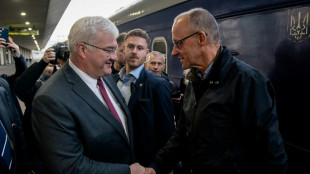
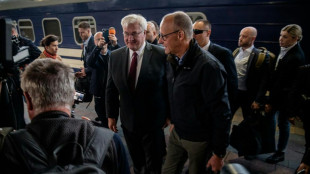 Russia strikes hit Kyiv as Germany's Merz visits
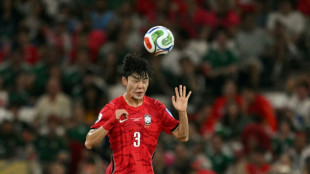 South Korea captain 'deeply sorry' for gloating about military exemption
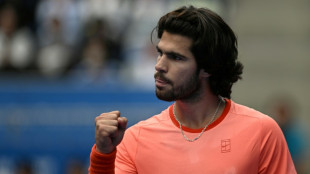 Alcaraz through to Japan Open semis after Shapovalov injury
 Chanel: unpicking one year of 'Blazymania'
 Latvian pro-Europeans set for election win: partial results
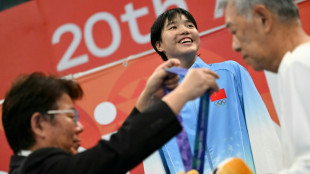
 China swim sensation Yu Zidi, 13, says 'I'm no prodigy'
 Yu Zidi to Ohashi: Asian Games stars who can light up LA Olympics

 'Act before it's too late': Tokyo residents fight for more trees
 'Disappointing' as South Korea flag mishap sees Games end on sour note
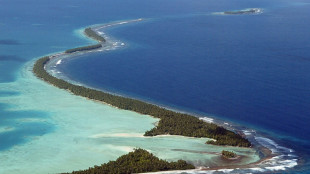 Pre-COP host Tuvalu at frontline of climate change
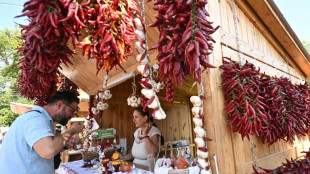 Hungary's dwindling paprika producers battle to save signature spice
 Cornell president vows review in wake of alleged student gang rape
 Latvian partial election results suggest pro-European choice
 In Egypt's Sinai, Gazan builds school for children displaced by war

 Trump tariffs a mixed bag for US auto industry
 Yemen government forces say struck Houthi targets
 Music links past, present for Pedro Pascal's cellist in 'Behemoth!'

Nadya Tolokonnikova, the co-founder of the feminist art collective Pussy Riot, is back in a prison cell -- but this time, she has gone willingly.
At the Museum of Contemporary Art in Los Angeles, the Russian activist is staging "Police State" -- a two-week piece of performance art aimed at raising awareness about the dangers of authoritarianism and oppression.
Tolokonnikova -- who spent nearly two years in a Russian penal colony for performing a protest song against Vladimir Putin in a Moscow church in 2012 -- knows a bit about the topic.
Through the installation, which opened Thursday and runs through June 14, she says she hopes to teach visitors about what she believes to be the advent of a new means of control -- technology.
While she is in the mock cell, during all museum opening hours, she will eat, use the toilet, sew clothes as she once did in her real cell and create "soundscapes." Visitors can observe her through holes in the cell or on security camera footage.
"People don't treat authoritarianism seriously," Tolokonnikova told AFP.
Seated in a makeshift Russian prison cell, wearing a green tracksuit, the 35-year-old activist says in several countries, the concept of a "police state" is expanding.
"As someone who lived under authoritarian rule for over 25 years, I know how real it is and how it starts, step by step, on the arrest of one person. You think, 'Well, it's not about me'," she explained.
"And then next thing we know, the entire country is under the military boot."
- 'We all have to contribute' -
For Tolokonnikova, Donald Trump's return to the White House in January has sparked an "erosion of the system of checks and balances," which she deemed "very dangerous."
She says the artistic community, and society in general, should do more to counter governmental abuses of power, wherever they may occur, and stop "outsourcing politics and political action."
"I feel like it's as if there is someone else who's going to save us from everything. That's not what works really. We all have to contribute."
Some who visited the installation said they agreed with Tolokonnikova that society had become too passive.
"I feel like Americans don't want to believe that we could be in danger of losing our freedoms," said Jimmie Akin, a graphic designer who said she was worried about the policy changes since Trump took office.
"People need to wake up."
- Sewing machine and Navalny -
For 29-year-old Hannah Tyler, "Police State" was a bit of a shock to the system.
"We're living in a country where we aren't facing the same extreme oppression that she did in Russia, but getting close to it. I felt inspired to take more action than I have been," Tyler said.
Tolokonnikova's installation has some symbolic features.
She has books and artworks made by Russian, US and Belarusian prisoners, as well as a drawing by late Russian dissident Alexei Navalny. A sewing machine recalls the manual labor of her incarceration. Words of protest are carved into the walls.
For Alex Sloane, the museum's associate curator, the installation shows how "increased surveillance and government overreach" are becoming more and more widespread, and "freedoms are at risk."
"We should do all that we can to make sure" that such circumstances are kept at bay, Sloane said.
E.Paulino--PC

