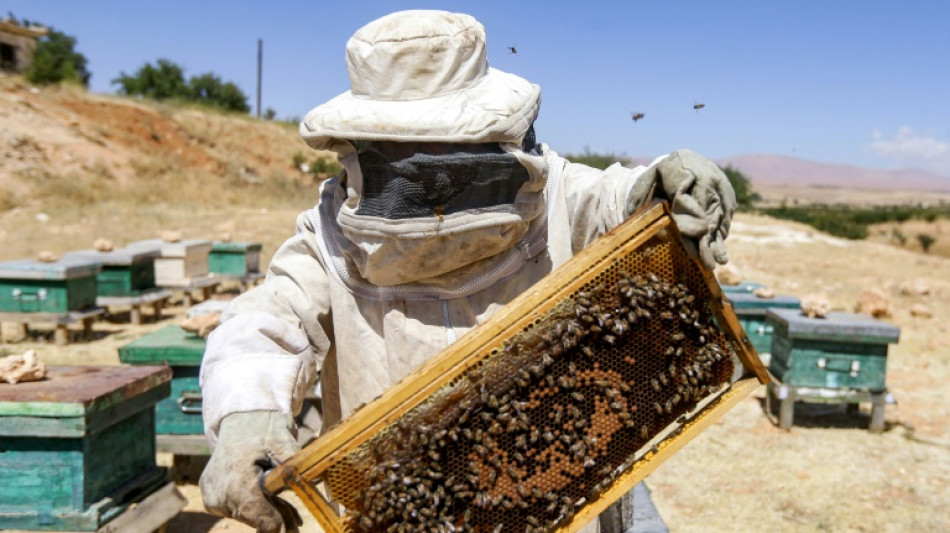
Syrian beekeepers battle both war and climate change / Photo: LOUAI BESHARA - AFP

 Iraola hoping for 'good news soon' in Liverpool pursuit of Barcola

 Iran executes over 500 people in 2026: rights group

 Srebrenica: Massacre that outraged the world

 After US settlement, EU says Meta must 'protect our kids too'

 Germany-led 'frugal' EU states demand budget plan cuts of 'several hundred billion'

 Ratko Mladic: Serb crusader dubbed 'epitome of evil'
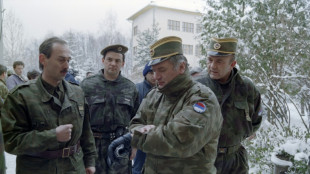
 Pramac Yamaha replace Miller with Guevara for 2027 MotoGP season

 Bouaddi needs time at Man City despite 100m euro fee, says Maresca

 MEXC Launches SHEIN Subscription with $1M Quota as Inaugural IPO Express Event

 Iran, Qatar hold Hormuz talks as US blockade chokes Iran oil imports

 Defiant Dinusha helps Sri Lanka draw second India Test

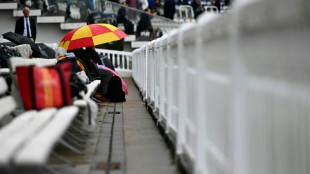 Pakistan bowl against England in rain-delayed second Test

 Barcola move from PSG to Liverpool 'on track': source

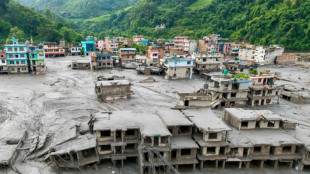
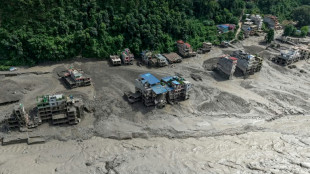
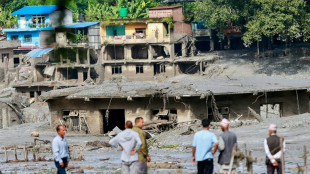 Swallowed by silt: Survivors recount Nepal flood horror

 Germany's Merz hosts 'frugal' leaders ahead of EU budget battle
 Barca sign Croatia goalkeeper Livakovic

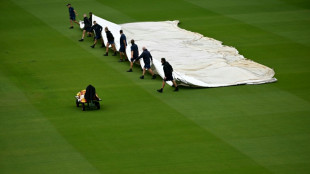 Rain delays England's bid to put off-field incidents behind them
 World record holder Sawe withdraws from Berlin Marathon

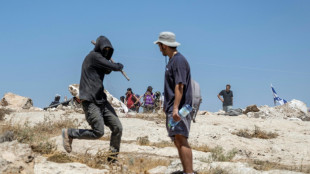 Driven by faith, activists stand up to fellow Jews to protect Palestinians

 Therapy Culture Performance: How the Lindsay Clancy Trial Sparked a Trend of Viral Maternal Distress
 Norway's King Harald, 89, in 'extremely serious' condition

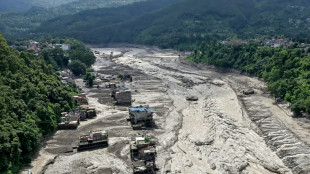 How a glacier collapse may have caused Nepal-Tibet disaster

 Harmovest Capital Strengthens Global Financial Services Through Technology and Compliance

 Nvidia to buy AI platform Hugging Face for $12.9 bn: report
 Palace intrigue in Uganda as succession battle heats up
Syrian beekeeper Ibrahim Damiriya struggles to produce honey from his hives on parched land near the capital Damascus after years of war, economic collapse and worsening climate change impacts.
"The war bled us dry. We could barely keep our beekeeping business afloat, and then the insane weather made things worse," the 62-year-old in a beekeeping suit told AFP as he examined meagre honey stocks inside the hives.
Before Syria's conflict erupted in 2011, Damiriya owned 110 hives in Rankus, a village near Damascus that was once filled with apple orchards.
But now a combination of fighting, severe drought and a gruelling economic crisis have left him with a mere 40 hives in semi-arid lands, decimating his honey yield.
Rankus was once renowned for its honey, but was hard hit by fighting between government forces and rebels that caused widespread destruction, pushing many residents to flee.
Damiriya can barely afford to tend to his hives, donated by the International Committee for the Red Cross (ICRC) to help Syrian beekeepers.
"If we keep suffering from climate change and rising prices, I might have to abandon my profession," Damiriya said with a sigh.
Since 2011, Syria's war has killed more than half a million people and caused an acute economic crisis, exacerbated by severe Western sanctions.
Recent years have also battered Syria with heatwaves, low rainfall and more forest fires.
- 'Extreme weather' -
A 2019 United Nations report found that fighting had practically wiped out hives, with bombs contaminating the environment and pesticide misuse and a proliferation of parasites speeding up their decline.
Syria used to be home to 635,000 hives before the war, but their numbers had dwindled to about 150,000 at the height of the conflict in 2016, said Iyad Daaboul, the Damascus-based president of the Arab Beekeepers Union.
Today that number has risen back up to 400,000, he said. However, the hives yield only 1,500 tonnes of honey per year -- half of the country's pre-war production.
Unusually cold springs and drought have had an adverse effect on the flowers that bees feed on.
"Extreme weather conditions have greatly affected bees, especially during spring -- the most important time in their life cycle," said Daaboul.
The number of beekeepers has nearly halved from 32,000 before the war to around 18,000 today, he said.
Another threat to the bees is the forest fires which have become more common as temperatures rise.
Fires "have destroyed more than 1,000 hives on Syria's coastal mountains and stripped bees of large foraging areas", Daaboul said.
- 'Unusually cold' -
Rising temperatures and desertification have taken a toll on Syria's greenery, destroying many of the plants on whose flowers the bees feed and squeezing the once-thriving agriculture sector.
Damascus ICRC spokesperson Suhair Zakkout told AFP that "Syria's agricultural production has fallen by approximately 50 percent over the last 10 years" because of war and climate change.
Despite being one of the countries most badly affected by global warming, Syria has lacked the funds it needs to tackle environmental issues, Zakkout said.
Climate change has devastated farmer Ziad Rankusi's apple orchards, which have also been greatly thinned by illegal logging as people struggle to keep warm during the winter amid recurrent fuel shortages.
Rankusi, who is in his 50s, used to tend more than 1,000 trees on his land, but just 400 survive, and they are drying out in the heat.
"For about five years, we have had unprecedented droughts and desertification, and this year the spring was unusually cold. The fruit perished," said the farmer.
"When trees and flowers disappear, bees can no longer feed. They either migrate or die."
C.Amaral--PC