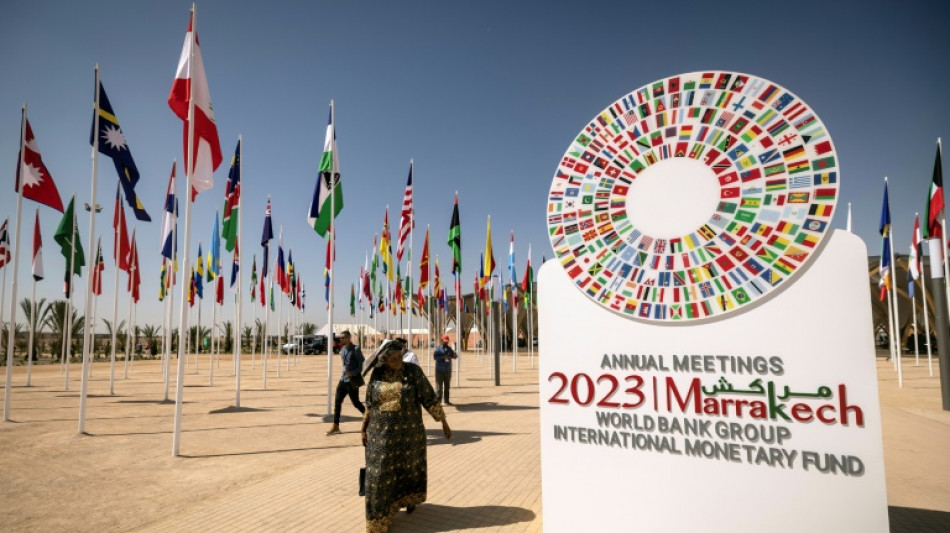
IMF, World Bank hold first meetings in Africa in 50 years / Photo: FADEL SENNA - AFP

 Barca sign Croatia goalkeeper Livakovic
 Rain delays England's bid to put off-field incidents behind them
 World record holder Sawe withdraws from Berlin Marathon

 Driven by faith, activists stand up to fellow Jews to protect Palestinians
 Therapy Culture Performance: How the Lindsay Clancy Trial Sparked a Trend of Viral Maternal Distress
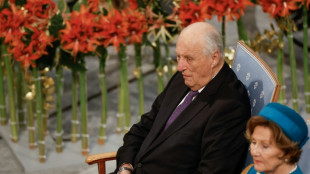 Norway's King Harald, 89, in 'extremely serious' condition

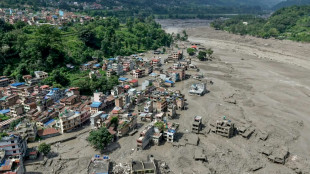
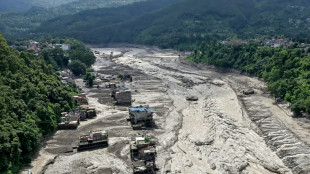 How a glacier collapse may have caused Nepal-Tibet disaster

 Harmovest Capital Strengthens Global Financial Services Through Technology and Compliance

 Nvidia to buy AI platform Hugging Face for $12.9 bn: report
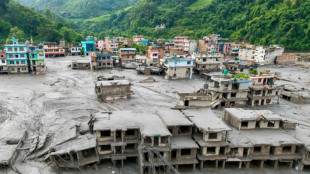
 Palace intrigue in Uganda as succession battle heats up
 'Housing First' approach gets Swedish city's homeless off streets
 Czech duo Muchova and Mensik win US Open mixed doubles title
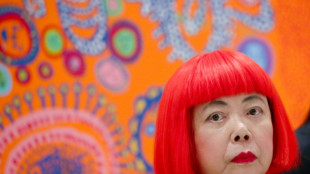
 Japan's 'polka dot queen' artist Yayoi Kusama dies aged 97
 Nepal-Tibet disaster: what we know

 China deploys record number of ships around Taiwan as pressure grows
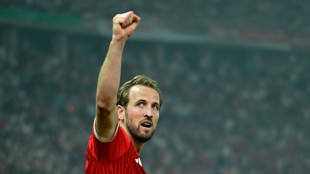 Ruthless Bayern target treble as rivals reboot on Bundesliga return

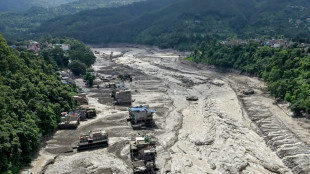 What experts know so far about Nepal's deadly floods
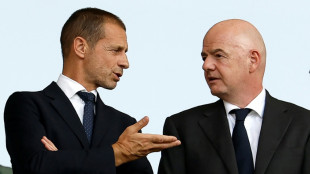 UEFA set to withdraw FIFA boycott threat ahead of Champions League draw
 Sumo moves to beat Japan summer heat as temperatures rise
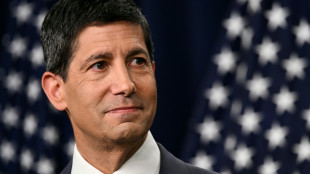 'Be more honest': Markets crave clarity from cryptic Fed chair

 Climate change leaves its mark on America's largest reservoir
 CIA director warned Russia not to attack NATO members: US media
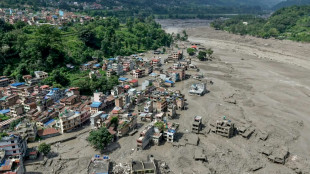 Search for missing after Nepal-Tibet floods kills at least 160
 Meta, US states agree $18 bn settlement in landmark teen safety case

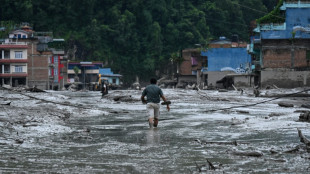 What scientists know so far about Nepal's deadly floods
The IMF and World Bank gather in Morocco Monday for their first annual meetings on African soil in 50 years, under pressure to reform to better aid poor nations blighted by debt and climate change.
The International Monetary Fund and World Bank traditionally hold their annual gathering of finance ministers and central bank governors outside their Washington headquarters every three years.
The southern Moroccan city of Marrakesh was supposed to host it in 2021, but the gathering was postponed twice because of the Covid pandemic.
A powerful earthquake that killed nearly 3,000 people in the region south of Marrakesh last month threatened to derail the event again, but the government decided it could go ahead.
The IMF and World Bank last held their meetings in Africa in 1973, when Kenya hosted the event and some nations were still under colonial rule.
Half a century later, the continent faces an array of challenges ranging from conflict to a series of military coups to unrelenting poverty to natural disasters.
"A prosperous world economy in the 21st century requires a prosperous Africa," IMF Managing Director Kristalina Georgieva said in a speech in Abidjan last week.
- Lending boost -
In a symbolic move, the IMF and World Bank are poised to give Africa a third seat on their executive boards, which Georgieva said would give the continent a "stronger voice".
But the thorniest issues revolve around money.
The main contributors are not in favour of a capital increase as it would force them to put up more funds and would give greater influence to emerging powers such as China and India.
The World Bank, however, is expected to confirm plans to boost lending by $50 billion over the next decade through balance sheet changes.
World Bank President Ajay Banga wants to go even further and raise capacity by $100 billion or as much as $125 billion through contributions from advanced economies.
But the issue is unlikely to be finalised in Marrakesh.
The global lenders may use the meetings to reform their quota systems.
The quotas, which are based on a country's economic performance, determine how much funding they should provide to the IMF, their voting power and the maximum amount of loans they can obtain.
- 'Same old failed message' -
Activists plan to hold a march in Marrakesh to urge the Washington-based institutions to take bold steps against climate change and debt.
NGOs say the austerity-driven solutions offered by the IMF and World Bank are only widening the gap between the rich and the poor in the developing world.
Campaigners say global lenders should focus instead on cancelling the debts of the poorest nations and imposing taxes on the rich.
Oxfam said 57 percent of the world's poorest countries have to cut public spending by a total of $229 billion over the next five years.
"The World Bank and IMF are returning to Africa for the first time in decades with the same old failed message," said Oxfam International executive director Amitabh Behar.
"The IMF is forcing poorer countries into a starvation diet of spending cuts, driving up inequality and suffering," Behar said.
N.Esteves--PC