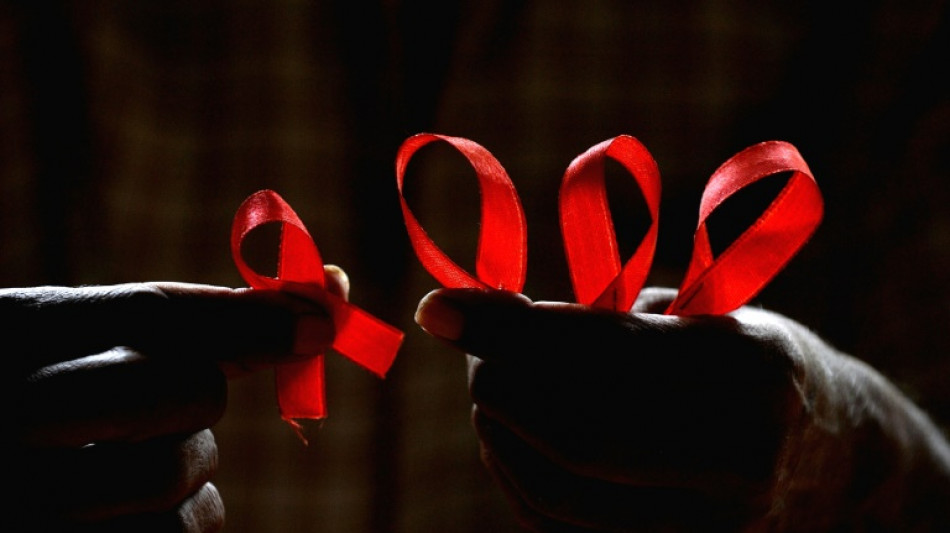
Fears over Uganda's anti-gay law threaten HIV progress / Photo: Manjunath Kiran - AFP

 Barca sign Croatia goalkeeper Livakovic
 Rain delays England's bid to put off-field incidents behind them
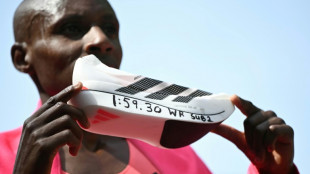 World record holder Sawe withdraws from Berlin Marathon

 Driven by faith, activists stand up to fellow Jews to protect Palestinians
 Therapy Culture Performance: How the Lindsay Clancy Trial Sparked a Trend of Viral Maternal Distress

 Norway's King Harald, 89, in 'extremely serious' condition

 How a glacier collapse may have caused Nepal-Tibet disaster

 Harmovest Capital Strengthens Global Financial Services Through Technology and Compliance

 Nvidia to buy AI platform Hugging Face for $12.9 bn: report
 Palace intrigue in Uganda as succession battle heats up

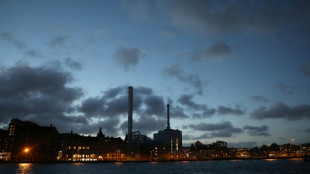 'Housing First' approach gets Swedish city's homeless off streets
 Czech duo Muchova and Mensik win US Open mixed doubles title
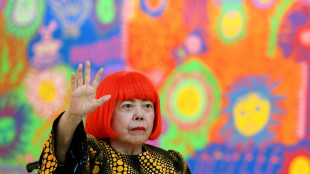 Japan's 'polka dot queen' artist Yayoi Kusama dies aged 97
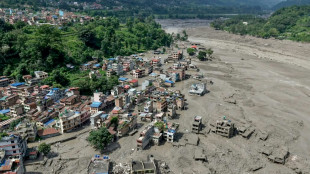
 Nepal-Tibet disaster: what we know

 China deploys record number of ships around Taiwan as pressure grows
 Ruthless Bayern target treble as rivals reboot on Bundesliga return

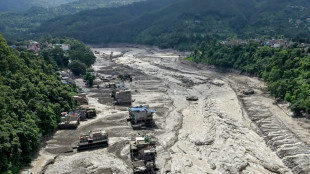 What experts know so far about Nepal's deadly floods

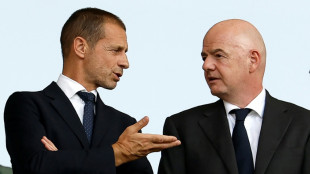 UEFA set to withdraw FIFA boycott threat ahead of Champions League draw
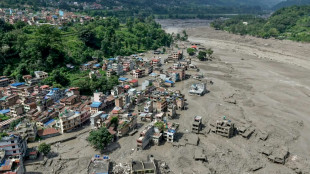
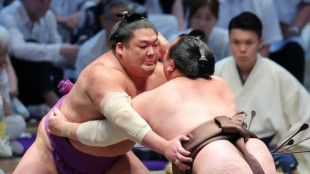 Sumo moves to beat Japan summer heat as temperatures rise
 'Be more honest': Markets crave clarity from cryptic Fed chair
 Climate change leaves its mark on America's largest reservoir

 CIA director warned Russia not to attack NATO members: US media
 Search for missing after Nepal-Tibet floods kills at least 160
 Meta, US states agree $18 bn settlement in landmark teen safety case

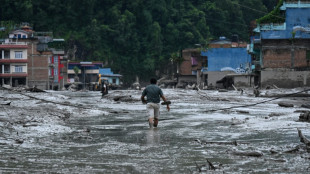 What scientists know so far about Nepal's deadly floods

At a mostly empty clinic catering to HIV patients, staff monitor CCTV footage for potential spies, reflecting the fear among Ugandan health workers following the adoption of a controversial anti-gay law.
"People have to trust their healthcare workers, the health workers have to trust their clients but under the current circumstances, it has created a situation where everyone is scared of each other," said the clinic's founder, Brian.
During the three hours spent by AFP inside the clinic, no patients walked in -- a worrying sign of the law's impact on efforts to combat HIV in the East African nation, said Brian, who asked not to share his last name, citing safety concerns.
The legislation adopted in May contains provisions making "aggravated homosexuality" a capital offence and imposes penalties for consensual same-sex relations of up to life in prison.
It has also sparked fears that patients or healthcare providers could be reported to police, with anyone who "knowingly promotes homosexuality" facing up to 20 years in jail, while organisations found guilty of encouraging same-sex activity could be banned for a decade.
When parliament began debating the legislation in March -- a discussion laced with homophobic slurs -- "we had a lot of calls from people pleading (that) we delete them from our systems," said Brian.
Attendance has been falling ever since.
Around 35 percent of people accessing HIV prevention services have stopped visiting his facility, while another 10 percent of those requiring antiretroviral medication have also cut off contact, he said.
"We have lost three health workers who said they can't work in such kind of environment for their own safety, career and families," slashing their staff capacity by more than a quarter, he added.
Furthermore, as patients stop taking antiretroviral drugs, their viral load spikes, raising the risk of them transmitting HIV to others, he said.
- 'Fear and paranoia' -
Uganda's health ministry has ordered health providers to ensure that no one is discriminated against or denied medical services, but the advisory has done little to reassure those working on the ground.
"We have seen people being arrested if they are found with lubricants or condoms," said Richard Lusimbo, director general of Uganda Key Populations Consortium, which works on healthcare advocacy.
Even as the law was being debated, police arrested six men in the eastern city of Jinja in March after finding 192 sachets of lubricants, a rainbow flag, T-shirts and pamphlets about the LGBTQ community in their possession.
All six were released on bail after spending more than three months behind bars and face multiple charges including "recruiting male adults into gay practices".
"The law has created... a lot of fear and paranoia," Lusimbo told AFP.
"There is no clarity on how you are speaking about (HIV) prevention without being looked at as one who is promoting LGBTQ," he said.
"If nothing is done to annul the law, we are going to see an increase in HIV infections."
UNAIDS, the Global Fund to Fight AIDS, Tuberculosis and Malaria, and the US President's Emergency Plan for AIDS Relief (PEPFAR) have warned that Uganda's progress in fighting HIV "is now in grave jeopardy" because of the anti-gay law.
But Uganda's director general of health services, Henry Mwebesa, told AFP that the country was "on course to ending AIDS as a public health challenge by 2030".
"Contrary to some exaggerated allegations, services are being provided without discrimination to those seeking them," he said, dismissing concerns that the law threatened to reverse the gains made by Uganda.
- 'Expect the worst' -
At his third-floor clinic, Brian and other staff are searching for ways to reach patients without compromising their safety.
Telemedicine consultations and delivery services -- which took off during the Covid-19 pandemic -- have proved a boon, he said.
"We have introduced a WhatsApp line, gone on social media so that we reach the clients directly (to) close up the gaps," he said.
Packages are not labelled to avoid the risk of recipients being identified and targeted.
Yet these stopgap measures do little to ease the anxiety felt by him and his coworkers.
"When we come to work, we expect the worst to happen," he said.
The implications for his patients are even more devastating.
"Even if this law is struck down, our people have been radicalised," he said, adding that the legislation had "heightened homophobia".
"It will take us many years to undo the damage because people who have been lost to healthcare (will) not just come back," he said.
"It will take a lot of time to rebuild the trust."
P.Queiroz--PC