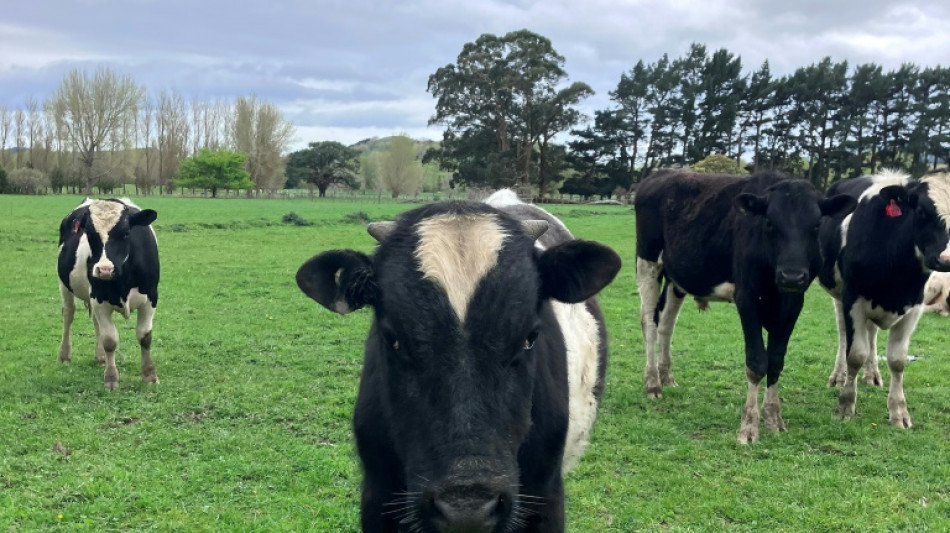
Burp tax causes pre-poll stink with New Zealand farmers / Photo: Ryland JAMES - AFP

 How a glacier collapse may have caused Nepal-Tibet disaster

 Harmovest Capital Strengthens Global Financial Services Through Technology and Compliance
 Nvidia to buy AI platform Hugging Face for $12.9 bn: report
 Palace intrigue in Uganda as succession battle heats up
 'Housing First' approach gets Swedish city's homeless off streets
 Czech duo Muchova and Mensik win US Open mixed doubles title
 Japan's 'polka dot queen' artist Yayoi Kusama dies aged 97
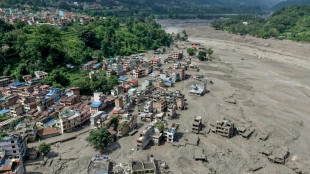
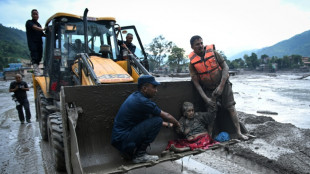 Nepal-Tibet disaster: what we know

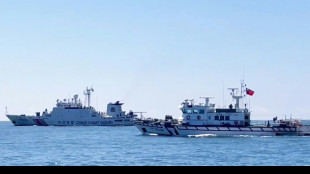 China deploys record number of ships around Taiwan as pressure grows

 Ruthless Bayern target treble as rivals reboot on Bundesliga return

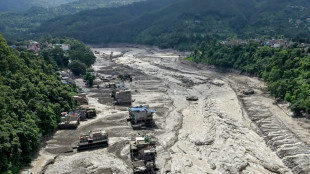 What experts know so far about Nepal's deadly floods
 UEFA set to withdraw FIFA boycott threat ahead of Champions League draw
 Sumo moves to beat Japan summer heat as temperatures rise

 'Be more honest': Markets crave clarity from cryptic Fed chair

 Climate change leaves its mark on America's largest reservoir
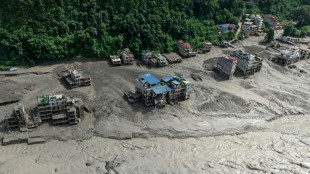
 CIA director warned Russia not to attack NATO members: US media

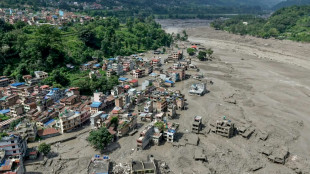 Search for missing after Nepal-Tibet floods kills at least 160
 Meta, US states agree $18 bn settlement in landmark teen safety case

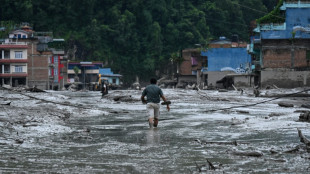 What scientists know so far about Nepal's deadly floods

 US general visits Colombia to discuss war on drugs

 Meta settlement puts social media industry on notice: 'There will be more'
 NFL owners approve record Seahawks sale

 Nigerian armed groups net nearly $6 mn in ransoms: study

 Savio scores on debut as Spurs advance in League Cup

 Mbappe hits treble as Real Madrid thrash Real Sociedad

New Zealand has a plan to tax farmers for their livestock's burps and farts -- and it's causing a stink ahead of Saturday's general elections.
The economy is driven by agriculture with around 10 million cattle and 25 million sheep roaming the nation's pastures.
So in the fight against climate change, New Zealand's government has targeted livestock as it drives towards a target of net-zero greenhouse gas emissions by 2050.
Just under half of New Zealand's emissions come from agriculture, and cattle are the main culprits.
Their belches and farts contain methane, which is far less abundant in the atmosphere than carbon dioxide, but is responsible for around 30 percent of the global rise in temperatures to date.
To help combat global warming, New Zealand was one of the first countries to announce it will start pricing agricultural emissions -- in effect taxing burps and farts from livestock.
Farmers will be taxed according to farm area, livestock numbers, production and their use of nitrogen fertiliser, in an effort to cut agricultural emissions by between 24 and 47 percent by 2050.
Amid fears the pricing will hurt profits and threaten livelihoods, farmers held nationwide protests last October in New Zealand's main cities.
- 'Viable business?' -
A year later and with general elections looming Saturday, emissions pricing is still weighing on the minds of New Zealand's farmers.
"I think it will impact on how agricultural rural communities vote this election," Kate Wyeth, a sheep and beef farmer near the capital Wellington on the North Island, told AFP.
"Particularly whichever party - or group of parties - is looking at giving the agricultural industry time to adapt new technologies that aren't even available to us yet."
To give farmers more time to get ready, the Labour government, which lags nationwide in opinion polls, has pushed the start of the emissions pricing back from the first to the fourth quarter of 2025.
Opposition centre-right party National has said it will push it back further to 2030 if elected.
Wyeth said that until technologies are developed -- for example, feeds given to livestock that reduce methane emissions -- farmers feel their only choice is to reduce livestock numbers.
"The technologies aren't quite here yet to help us," said Wyeth, vice-president of the local farming federation.
"Some of the only ways we are looking at reducing our emissions is by de-stocking and not running these animals on our farms."
As a result, Wyeth said, many farmers feel uncertain about the future.
"There's a massive question at the moment of what does the future hold," she added.
"Is there a viable business, a viable family environment for our kids coming through?"
With livelihoods at stake and uncertainty over how the government will price emissions, opposition parties seem to have firm support in the countryside.
In the latest opinion polls by Taxpayers' Union–Curia last week, around two thirds of rural voters said they intended to opt for either National or classic liberal party ACT.
The government has said emissions pricing is necessary to help fight climate change.
- 'Farmers are on the front line' -
"It is important for New Zealand to lead the way on this because we are one of the world's leading agricultural countries and agricultural emissions make up half of the total pollution that we put into the atmosphere every year," James Shaw, the country's Minister for Climate Change, told AFP.
"Farmers have a really important role to play in the fight against climate change.
"That's in large part because farmers are on the front line, their business depends entirely on the climate."
Lowering emissions could benefit New Zealand's farmers by attracting foreign buyers willing to pay more for sustainable agricultural products, Shaw said.
"There is a sweet spot with lower emissions and lower pollution and higher profits for farms," he added.
"One of my frustrations is that the industry seems resistant to adopting those changes in on-farm practice that would actually result not just in low pollution, but also in farmers making more profit than they do now."
On the South Island, Otago dairy farmer Bryce McKenzie, who helped organise last year's protests, said the farming community is struggling to adapt.
"A lot of farmers are struggling mentally, simply because a lot of the regulations that have been implemented are really hard to actually work to," McKenzie told AFP.
"Taxing a farmer for his emissions achieves absolutely nothing," he said.
"It's just the blunt instrument to whack farmers over the head with."
V.Fontes--PC