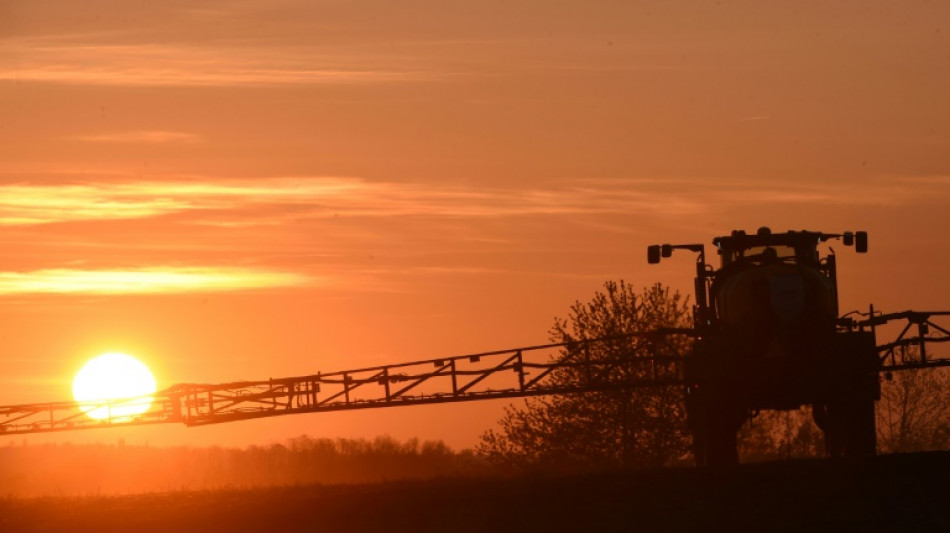
EU fails to decide on glyphosate use extension / Photo: JEAN-FRANCOIS MONIER - AFP/File

 How a glacier collapse may have caused Nepal-Tibet disaster

 Harmovest Capital Strengthens Global Financial Services Through Technology and Compliance
 Nvidia to buy AI platform Hugging Face for $12.9 bn: report

 Palace intrigue in Uganda as succession battle heats up
 'Housing First' approach gets Swedish city's homeless off streets
 Czech duo Muchova and Mensik win US Open mixed doubles title
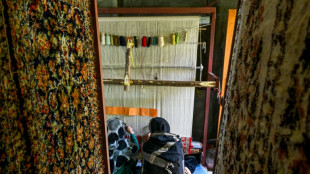
 Japan's 'polka dot queen' artist Yayoi Kusama dies aged 97
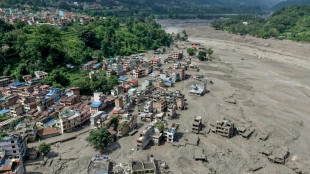
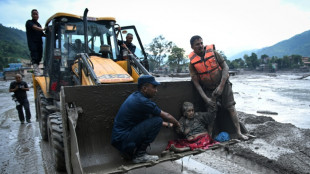 Nepal-Tibet disaster: what we know

 China deploys record number of ships around Taiwan as pressure grows

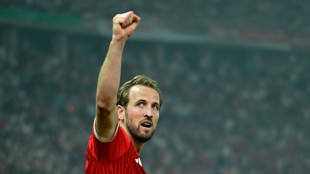 Ruthless Bayern target treble as rivals reboot on Bundesliga return

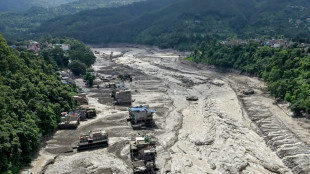 What experts know so far about Nepal's deadly floods

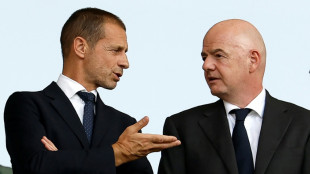 UEFA set to withdraw FIFA boycott threat ahead of Champions League draw
 Sumo moves to beat Japan summer heat as temperatures rise
 'Be more honest': Markets crave clarity from cryptic Fed chair

 Climate change leaves its mark on America's largest reservoir
 CIA director warned Russia not to attack NATO members: US media

 Search for missing after Nepal-Tibet floods kills at least 160
 Meta, US states agree $18 bn settlement in landmark teen safety case

 What scientists know so far about Nepal's deadly floods

 US general visits Colombia to discuss war on drugs

 Meta settlement puts social media industry on notice: 'There will be more'
 NFL owners approve record Seahawks sale

 Nigerian armed groups net nearly $6 mn in ransoms: study

 Savio scores on debut as Spurs advance in League Cup

 Mbappe hits treble as Real Madrid thrash Real Sociedad

The EU failed Friday to agree extending the use of glyphosate -- a weedkiller the WHO fears could be carcinogenic -- because of division among the bloc's 27 member countries, a European Commission spokesman said.
"No sufficient majority" was reached in a vote on whether to renew glyphosate use for another 10 years, and the matter would now be kicked to an appeals committee in early November, Stefan De Keersmaecker told journalists.
If that committee failed to resolve the matter before current EU authorisation for glyphosate ends on December 15, the commission has the power to go ahead and decide whether or not to extend its use, he said.
"In that case, it's for the commission to take a decision on the issue," De Keersmaecker said. He added that the commission proposal could be modified after input from EU countries.
France, an agricultural powerhouse in the bloc, abstained in Friday's closed-door vote on the proposal, French Agriculture Minister Marc Fesneau told AFP, putting weighted majority approval out of reach.
Germany had already said it could not accept extending the use of glyphosate, which is used in popular herbicides such as Roundup from German group Bayer, which acquired it when it bought US company Monsanto.
Austria and Luxembourg had indicated they would vote against the proposal, while Belgium and the Netherlands said they would abstain.
Sweden, Italy and Portugal are among the EU countries in favour of renewing glyphosate use.
A Bayer spokesman said following Friday's inconclusive vote that the company was "confident that in the next stage of the approval process enough other member states will back the renewal of authorisation proposed by the commission".
The previous authorisation expired in December 2022 but was extended by a year pending a scientific study of the herbicide.
The current commission proposal would authorise its usage until December 15, 2033, double the previous five-year authorisation but less than the 15-year period initially planned.
- 'Mountains of studies' -
The World Health Organization in 2015 classed glyphosate as "probably carcinogenic", spurring concerns about its continued use.
However the European Food Safety Authority in July this year said it "did not identify critical areas of concern" although it recognised there were "data gaps" in reaching that assessment.
The commission said it based its proposal on that EFSA evaluation.
"Mountains of studies and data have been analysed by the European Food Safety Authority, by the European Chemical Agency, and they have come to the conclusion that there are no major risks of concern to be taken into account for the product of glyphosate, which is the reason why we made our proposal," De Keersmaecker said.
Another spokesman, Eric Mamer, said the commission had followed "scientific advisers who have been reviewing all of the evidence".
Environmental activists said there was scientific evidence that glyphosate may cause cancer, poison aquatic life and can be fatal to key pollinators like bees.
The commission has sought to address the concerns by requiring risk mitigations such as buffer zones around fields sprayed with glyphosate and equipment to prevent the spray drifting to other areas.
It also urged member states to "pay particular attention" to effects on the environment and set conditions on the herbicide's use.
J.Oliveira--PC