-
 Rodri arrives at Barcelona to complete 'dream' move
-
US pauses construction of border project in Texas national park
-
 Discord suspends livestreams in Brazil after teen's suicide
-
Thousands mourn dead black academic in London vigil
-
 Tupac Shakur's accused killer was out for 'revenge', jury hears
-
South Africa Test series a lot tougher than a World Cup says All Blacks coach Rennie
-
 Netanyahu presses role for US general in Hamas disarmament
-
Coventry sign Nigeria striker Awoniyi from Forest

-
 US-Palestinian says 'terrified' as he returns to property besieged by settlers
-
TripleDart tops $7 million ARR with AI-led growth, reports 50 per cent EBIT margin

-
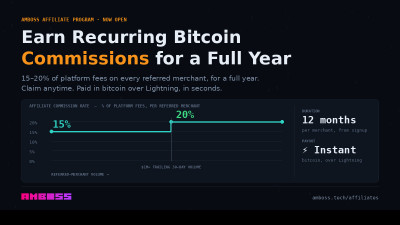 Amboss Opens Affiliate Program: Earn Recurring Bitcoin Commissions by Growing Bitcoin Payments
-
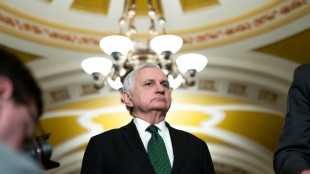
Bipartisan backlash as Trump scales back US-South Korea drills
-
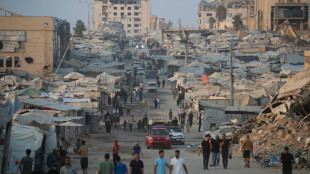 Netanyahu, Kushner discuss US general for Hamas disarmament: Israeli official
-
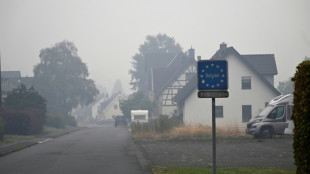
'Never seen one like it': German pensioners flee wildfire
-
 Scottish FA withdraws support for FIFA boss Infantino
-
Ipswich sign Enciso and Ouattara in double raid on Strasbourg
-
 Belgium fire halts short of German border, but not 'contained'
-
UN laments 'unacceptable' toll of 350 aid workers killed in 2025
-
 Number one Shi suffers shock first-round exit at badminton worlds
-
Former child star actress Hayden Panettiere dead at 36
-
 Kolisi and Nche may miss South Africa Test against New Zealand
-
Pakistan captain Babar Azam doubtful for England opener
-
 Trump threatens Oman: latest developments in US-Iran war
-
Pentagon inks Tomahawk deal amid reports of missile shortfall

-
 Stocks lower as Hormuz concerns and high oil prices persist
-
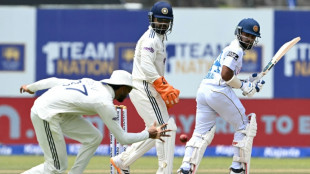
Rain halts India push after Dinusha century lifts Sri Lanka
-
 Crowds turn out for 'Total Eclipse' singer Bonnie Tyler's funeral
-
Dinusha hits century as Sri Lanka post 284 in first India Test
-
 Mali jails junta-critic broadcaster, influencer for seven years
-
Stocks steady as investors weigh US rate path
-
 'Nowhere to run': Indonesian quake survivors plead for help
-
Taiwan's leader says government to propose record defence spending for 2027

-
 Belgium fire makes 'limited' spread overnight, more help on way
-
Cambridge head slams 'feeding frenzy' over dead academic

-
 Vingegaard brings curtain down on season
-
Ebola outbreak now DR Congo's deadliest ever
-
 Dickwella, Dinusha hit fifties as Sri Lanka fight back
-
Germany's coalition split over putting climate in constitution
-
 Bangladesh Test cricket reboot delivers in style with historic win
-
Ukraine badminton star: 'How can you feel normal when bombs are falling?'

-
 Virgin moves closer to launching Eurostar rival in 2030
-
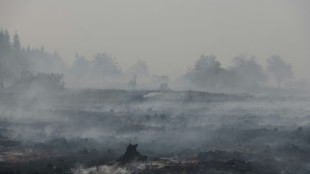
Rain brings respite as Belgium wrestles massive wildfire
-
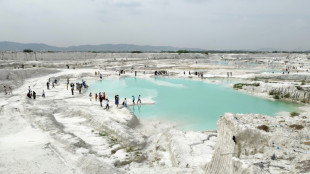 Indian marble waste dump becomes unlikely tourist attraction
-
Most stocks rise as US data ease rate fears but fuel economic worries
-
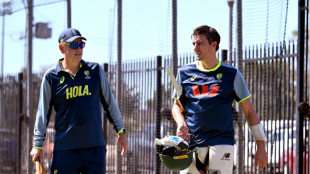 Coach says Australia 'let standards slip' in shock Bangladesh loss
-
India take control of Galle Test as Sri Lanka slump to 99-5
-
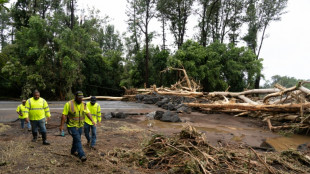 Hawaii recovery efforts begin as Lala downgraded, moves west
-
Australia's mushroom murderer appeals conviction
-
 Food safety crackdown snares Mumbai's famed restaurants
-
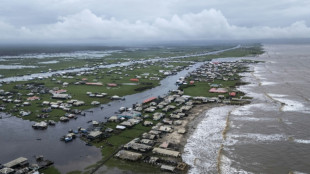
The Nigerian fishing community being eaten up by the Atlantic
Meta policy reversal puts question mark on future of fact-checking
Media outlets around the world have been left scratching their heads over the future of their fact-checking operations after Meta's shock announcement that it will halt its US programme.
Here are the key facts about how the practice has developed and what could lie ahead for the sector.
- Years of growth -
Fact-checking emerged in the United States in the early 2000s to become a genre of journalism all its own.
The practice rode the rising wave of internet usage and was the lifeblood of new media operations pitting politicians' statements against reality.
PolitiFact, a landmark of the sector, was launched in 2007 and won a Pulitzer prize in 2009.
Methods like live corrections to figures provided on TV or online articles marked up as true or false spread around the world, providing the foundation for the next stage.
Social media giants were already labouring under allegations that their platforms were being used to spread disinformation and conspiracy theories when scrutiny increased following 2016's shock Brexit vote and the election of Donald Trump to the US presidency.
Meta and other web firms stoked the spread of fact-checking beyond politics, enlisting media organisations that saw the activity as a welcome new revenue opportunity in a sector struggling to stay afloat.
- Vital revenue stream -
Ten organisations are affected by Meta's announcement that it will end fact-checking in the US.
Some, such as Check Your Fact, are totally dependent on income from the tech firm, US outlet Business Insider reported.
Others including PolitiFact are less exposed, with the outlet receiving a little over five percent of its revenue from the Meta partnership, according to the New York Times.
AFP currently works in 26 languages with Facebook's fact checking programme, in which Facebook pays to use fact checks from around 80 organisations globally on its platform, WhatsApp and on Instagram.
The news agency's management has said it is "evaluating the situation".
African media appear particularly exposed should Meta's worldwide fact-checking programme be stopped.
"There are business models that are more or less dependent on Facebook" such as the Johannesburg-based Africa Check, said Laurent Bigot, a journalism professor who also vets applications to join the International Fact-Checking Network (IFCN).
Several media were founded purely to join Facebook's scheme, including Data Check in Cameroon, Balobaki Check in the Democratic Republic of Congo, or TogoCheck, Bigot pointed out.
He warned that "this verification work will never be done anywhere else, while disinformation kills people every day in these countries".
- Pushback -
Meta boss Mark Zuckerberg said in announcing the pullback that "the fact-checkers have just been too politically biased and have destroyed more trust than they've created, especially in the US".
His company would be "restoring free expression on our platforms," he added.
Elon Musk, who owns X and has Trump's ear, and many Republican politicians have for years accused fact-checkers of "censoring" conservative voices.
Such criticism misunderstands fact-checkers' role in regulating social media content, said Angie Holan, head of the IFCN network that now includes 137 organisations.
Fact-check journalism "has never censored or removed posts" from platforms, Holan said in a statement.
Rather, it has "added information and context to controversial claims" under a "Code of Principles requiring nonpartisanship and transparency", she added.
Digital investigation journalists have often experienced increased pressure and even threats during election campaigns -- as seen last year in India, South Korea or Croatia.
Meta's new policy is "part of a global strategy of marginalizing journalism and its actors in the name of a freedom of expression perverted to serve ideological interests," Reporters Without Borders said in a statement.
- Fact-checking isn't dead -
Philippine Nobel peace laureate Maria Ressa said Meta's decision would "allow lies, anger, fear and hate to infect every single person on the platform".
Zuckerberg had chosen a "world without facts," warned Ressa, founder of the Rappler news site that spent years fighting online disinformation while battling court cases filed under former Philippine president Rodrigo Duterte after critical reporting of his deadly drug war.
Bigot was less categorical, saying that Meta had simply "put an end to an abnormal situation".
"The platforms spread vast amounts of disinformation and buy themselves a clear conscience with this type of programme," added Bigot, who teaches at the University of Tours in France.
French left-wing daily Liberation ended its own partnership with Meta in 2021.
Cedric Mathiot, who heads its CheckNews arm, believes such contracts can be both "a financial crutch that helps out" but also "perhaps prevent" further development of fact-checking.
Mathiot said that without Meta "paradoxically, fact-checking could be pushed to be more ambitious" with more in-depth investigations and varied topics.
T.Vitorino--PC