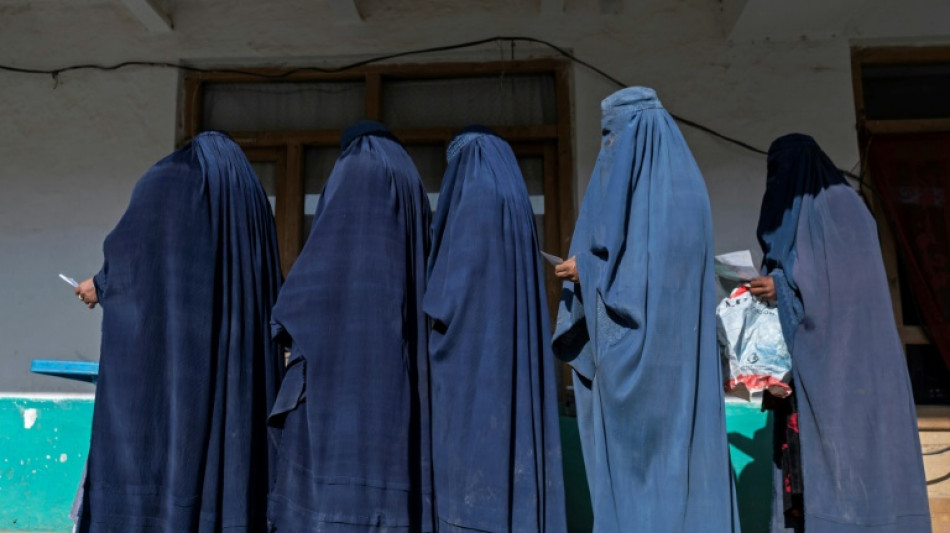
How the Taliban restrict women's lives in Afghanistan / Photo: Wakil KOHSAR - AFP/File

 Mali jails junta-critic broadcaster, influencer for seven years

 'Nowhere to run': Indonesian quake survivors plead for help
 Belgium fire makes 'limited' spread overnight, more help on way
 Vingegaard brings curtain down on season
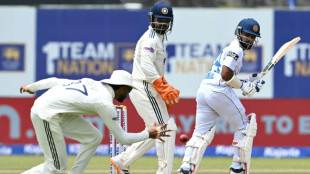 Dickwella, Dinusha hit fifties as Sri Lanka fight back
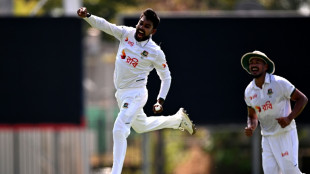 Bangladesh Test cricket reboot delivers in style with historic win

 Virgin moves closer to launching Eurostar rival in 2030
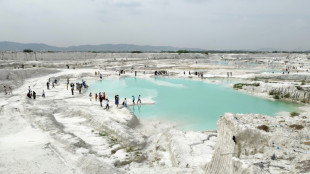 Indian marble waste dump becomes unlikely tourist attraction

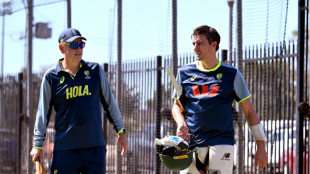 Coach says Australia 'let standards slip' in shock Bangladesh loss
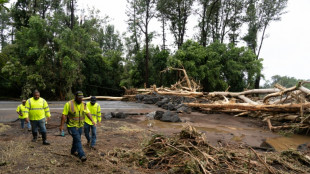 Hawaii recovery efforts begin as Lala downgraded, moves west
 Food safety crackdown snares Mumbai's famed restaurants
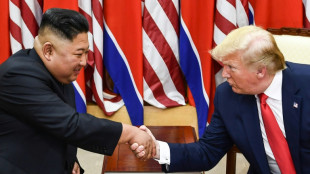
 Trump says US scaling back military drills with Seoul hours before start
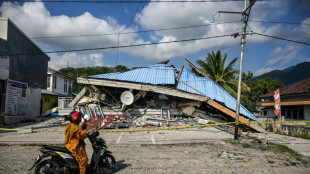 Nearly 13,000 displaced after deadly Indonesian quake
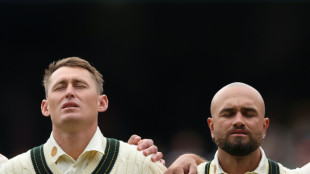 Axe hangs over Australian batters after Darwin 'disaster'

 Is this cave in Turkey where Homer wrote 'The Odyssey'?
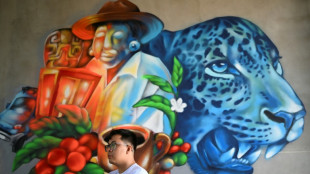 Winning back walls from gangs, artists fill El Salvador's towns with color
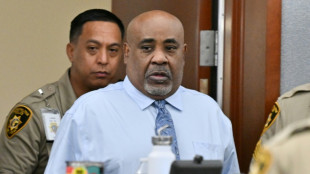 Opening arguments expected in Tupac murder trial
 As machinery removes rubble, hopes for survivors from Colombian quake dwindle

 Trump says US scaling back military drills with South Korea

 Zambia's Hichilema takes early lead in reelection bid
 Sabalenka squeezes out a win on sixth match point in Cincinnati

 Duplantis dominant, Hunt hits four and Asher-Smith makes history

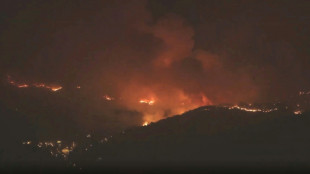 Spanish soldier dies in Aragon wildfire

 PSG beaten by Lens in French Champions' Trophy

 Rybakina, Andreeva race into Cincinnati third round

The Taliban authorities that rule Afghanistan have imposed a severe interpretation of Islamic law on the population, heavily restricting all aspects of women's lives.
This week, the International Criminal Court's chief prosecutor said he was seeking arrest warrants against senior Taliban leaders over the persecution of women, a crime against humanity.
The government claims it secures Afghan women's rights under Sharia law, but many of the edicts are not followed in the rest of the Islamic world and have been condemned by Muslim leaders.
The United Nations has called it a "gender apartheid", and no country has formally recognised the government since they swept to power in a lightning but largely bloodless military offensive in 2021.
- Education -
Taliban authorities banned girls from public secondary classes at the start of the new school year in 2022.
A year later, universities were also closed to women.
The last options for education -- midwifery and nursing - were banned from teaching women late last year.
Afghanistan is the only country in the world where girls and women are barred from education and the move has been widely criticised by Muslim leaders -- including the Saudi-based Muslim World League.
- Work -
Taliban authorities have made it increasingly difficult for women to work in a bid to keep them segregated from men.
While they held positions throughout the civil service of the foreign-backed government ousted by Taliban insurgents, women have been mostly been fired, forced to stay home, and have had their pay slashed.
Officially, women can no longer work for NGOs and the United Nations apart from in education and health, although the ban has not been strictly enforced.
Women are allowed to work from home or in women-majority businesses, such as textiles.
Private businesses can employ women, but in offices that are supposed to be segregated.
- Public life -
In cities, where women once generally already wore modest clothing and headscarves, huge billboards and posters on shop windows order them to cover their hair, faces and their bodies with a long cloak and face mask.
Women rarely appear on television, and many journalists have been pushed off screen.
They are banned from public spaces such as parks and gyms, while baths and salons have been closed down.
Women travelling long distances must be accompanied by a male chaperone.
In one of the latest orders, women cannot sing or recite poetry in public, and their voices and bodies must be "concealed" outside the home.
The Ministry of Women's Affairs was shut down and their offices taken over by the Ministry of Propagation of Virtue and Prevention of Vice, the Taliban authority's morality police.
C.Cassis--PC