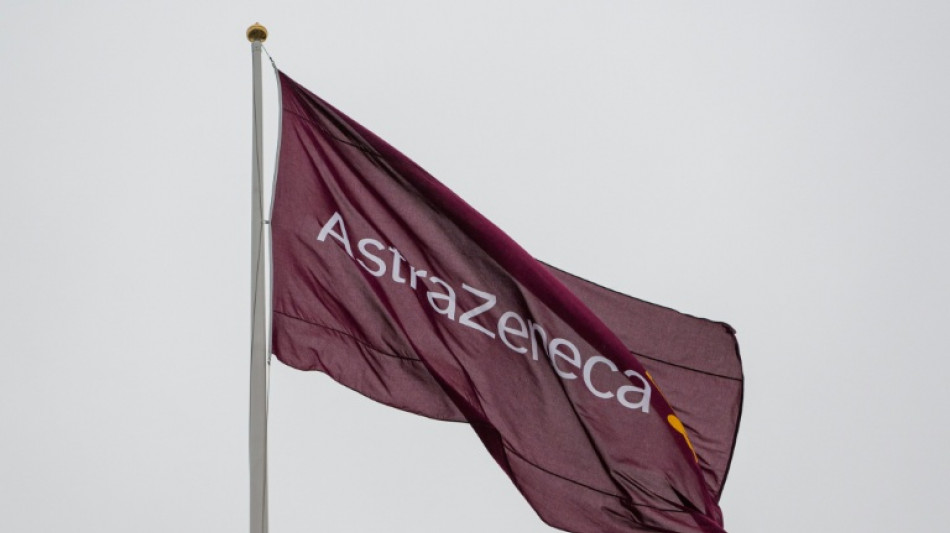
US to zero out tariffs on UK pharma under trade deal / Photo: Jonathan NACKSTRAND - AFP

 Boeing to divest tech ventures for stake in air-taxi startup

 Major quake rocks Colombia and neighbors, 18 confirmed dead

 Brazil aircraft maker Embraer raises outlook after record revenue

 Drought forces water restrictions across nearly 70 percent of France
 Europe wary as gas stocks languish at lows while winter looms
 OFunded Enters the Prop Trading Market With Broker-Backed Infrastructure From OFinancial Markets
 Stocks mostly flat with focus on US inflation

 UK radio broke rules in announcing king's death: watchdog
 Europe braces for another summer heatwave

 Tentoglou keep bid for fourth Euro title on course, Nowicki misses out
 MEXC Sponsors Yohani's Colombo Concert, Bridging Sri Lankan Culture and Global Digital Finance
 Parts of Germany's Rhine could become unnavigable, group warns

 Base Markets Appoints Nazim Moussaoui as Head of Premium Clients and Partnerships

 US, South Korea to drill for new threats from North

 SCANDIC TRADE Ultimate 2.6 är färdigutvecklat – SNC SCANDIC ECO-Systemet är nu komplett

 SCANDIC TRADE Ultimate 2.6 jest gotowy – system SNC SCANDIC ECO jest kompletny

 Record July heat in regions home to 900 mn people: AFP analysis

 स्कैंडिक ट्रेड अल्टीमेट 2.6 अब पूरा हो गया है – SNC स्कैंडिक इको-सिस्टम अब पूरी तरह से चालू है।
 SCANDIC TRADE Ultimate 2.6이 완성되었습니다 – SNC SCANDIC ECO-시스템이 완성되었습니다

 SCANDIC TRADE Ultimate 2.6 завершено — екосистема SNC SCANDIC стала повноцінною

 SCANDIC TRADE Ultimate 2.6 is now complete – the SNC SCANDIC ECO-System is now fully operational

 Chinese AI drives price competition among US labs

 Indian students step up exam protests in Jharkhand
 Stopped broadcast, layoffs: Hungary media eyes post-Orban renewal

 Typhoon Dolphin weakens but disrupts travel in east China
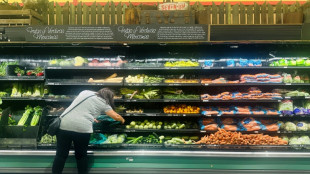
The United States on Monday exempted British pharmaceuticals from import tariffs under a unique deal which sees the UK increase spending on American drugs by 25 percent.
The accord aims to "address long-standing imbalances in US-UK pharmaceutical trade," ending what US trade ambassador Jamieson Greer called an arrangement where "American patients have been forced to subsidise prescription drugs and biologics in other developed countries."
Under the deal struck between the administrations of US President Donald Trump and British Prime Minister Keir Starmer, Britain's publicly-funded National Health Service (NHS) will increase its prices for new US treatments by 25 percent.
The agreement means Britain will be exempted from hefty US tariffs imposed on pharma imports that entered force on October 1. It is the only country to reach such a deal.
The lofty price of medications has been a major political issue in the United States for years, with a Rand Corporation study showing Americans paid 2.5 times as much for pharmaceuticals as in France.
Prior to Monday's announcement, the Trump administration had announced tariffs of 100 percent on branded pharmaceuticals.
At the same time, the White House delayed the tariffs for three years with Pfizer and British group AstraZeneca after both agreed to invest in US manufacturing capacity.
British Science and Technology Secretary Liz Kendall said the latest deal will "ensure UK patients get the cutting-edge medicines they need sooner," while also enabling "life sciences companies to continue to invest and innovate right here in the UK."
- Deals elsewhere -
The Trump administration said it "is reviewing the pharmaceutical pricing practices of many other US trading partners and hopes that they will follow suit with constructive negotiations".
As it stands, the European Union and Switzerland face pharma tariffs totalling 15 percent.
AstraZeneca in July announced plans to invest $50 billion by 2030 on boosting its US manufacturing and research operations.
Around the same time, British rival GSK revealed it planned to invest $30 billion in the United States over the next five years.
The UK government on Monday said it will "invest around 25 percent more in innovative, safe, and effective treatments -- the first major increase in over two decades."
It meant the NHS "will be able to approve medicines that deliver significant health improvements but might have previously been declined purely on cost-effectiveness grounds."
AstraZeneca and Merck recently axed plans for sizeable infrastructure investment in Britain, with the US pharma group citing UK drugs prices as a major reason for its U-turn.
Critics argue high taxes and a lack of British government subsidies and investment are hindering foreign investment across various sectors.
B.Godinho--PC