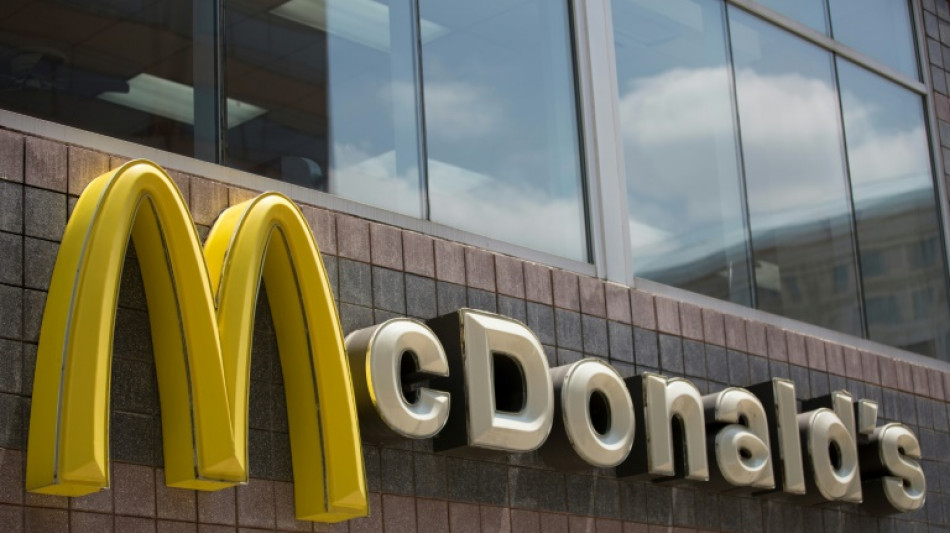
McDonald's, Coca-Cola join US firms halting Russia operations

 Lakers Defeat Bucks 123-112 Amid Injury Concerns for Dončić and Reaves

 Audi-SAIC CEO Fred Schulze Confirms AUDI Brand Will Launch Three New Models in China
 EU proposes broad consumer safeguards for apps, subscriptions and ticketing
 Radical Numerics develops offline AI tool to detect engineered pathogens
 Chennai orders inquiry after dogs die at shelter; two veterinarians face action

 Startup turns Chennai’s history and culture into an interactive world

 Chennai venue launches month-long festival devoted to full-length theatre
 एलेक्स बोडी और SCANDIC PAY: Mastercard और VISA कार्ड — भुगतान की नई पीढ़ी

 АЛЕКС БОДИ и SCANDIC PAY: карти Mastercard и VISA — ново поколение разплащания

 أليكس بودي وSCANDIC PAY: بطاقات Mastercard وVISA — جيل جديد من المدفوعات

 ALEX BODI 與 SCANDIC PAY:Mastercard 與 VISA 卡——新一代支付方式

 ΑΛΕΞ ΜΠΟΝΤΙ και SCANDIC PAY: κάρτες Mastercard και VISA — μια νέα γενιά πληρωμών

 АЛЕКС БОДІ та SCANDIC PAY: картки Mastercard і VISA — нове покоління платежів
 АЛЕКС БОДИ и SCANDIC PAY: карты Mastercard и VISA — новое поколение платежей

 ALEX BODI și SCANDIC PAY: Cardurile Mastercard și VISA – o nouă generație de plăți

 John Park’s Agency Takes Legal Action Over Unauthorized 'McDonald’s Order Rap' Distribution

 Best Pet Advent Calendars for Christmas 2026: Dog Treats and Cat Toys

 Grattan Institute Releases Blueprint to Target Specialists Over Excessive Fees

McDonald's, Coca-Cola and Starbucks on Tuesday bowed to public pressure and suspended their operations in Russia over Moscow's internationally condemned invasion of Ukraine.
Several of these companies, symbols of American cultural influence in the world, have been the subject of boycott calls on social media as investors have also begun to ask questions about their presence.
"We cannot ignore the needless human suffering unfolding in Ukraine," the fast-food giant said, announcing the temporary closure all 850 restaurants in Russia, where it employs 62,000 people.
Starbucks, Coca-Cola and PepsiCo announced their own decisions to halt or restrict business in quick succession, noting the growing human cost of the invasion.
PepsiCo said that despite halting sales in Russia of its flagship beverage, as well as 7Up and Mirinda, it would continue to offer products like milk and baby food.
"By continuing to operate, we will also continue to support the livelihoods of our 20,000 Russian associates and the 40,000 Russian agricultural workers in our supply chain," PepsiCo CEO Ramon Laguarta said in a statement.
Starbucks, which has 130 Kuwaiti conglomerate-run coffee shops in Russia, said all operations, including product shipments, will be suspended.
A team from Yale University that keeps a list of companies with a significant presence in Russia said about 290 have announced withdrawal from the country since it invaded neighboring Ukraine, reminiscent of "the large-scale corporate boycott of Apartheid South Africa in the 1980s."
About 30 multinationals still remain on the list of companies with significant exposure to Russia.
- Legitimate reasons? -
Some companies, however, have noted the limits of their influence is halting business.
Yum! Brands, whose 1,000 or so KFC restaurants and 50 Pizza Hut locations in Russia are almost all independently owned, announced late Monday that it was suspending "all investment and restaurant development in Russia."
Some businesses may have legitimate reasons to stay, several experts in ethics and communications strategy told AFP.
Companies may be hesitant to leave because they think they can mediate or because they make essential products such as pharmaceutical ingredients, said Tim Fort, a professor of business ethics at Indiana University.
But he said they have to pick a side "and it doesn't strike me as this being very difficult to pick" given Russia's human rights and conflict law violations.
"Any one company leaving the country isn't going to tip the balance... but there's a cumulative effect," Fort noted.
- 'What's going on?' -
He said a company as well-known as McDonald's can have influence in Russia at a time when the general population has almost no access to sources of information other than the official messaging on the invasion.
Russians can "survive without the Big Mac," but they may ask "why is McDonald's closed? What's going on? It's a more powerful signal in that sense," Fort said.
Richard Painter, a professor at the University of Minnesota, said the companies "should think about the message that needs to be emphasized: that Russia cannot do this to Ukraine... while at the same time participating in the international economy."
The economic sanctions imposed on Russia with broad consensus among Western governments along with the voluntary withdrawal of multinationals "is really the best way to deal with Russia," said Painter, a former White House ethics lawyer.
Brian Berkey, who specializes in corporate ethics at the University of Pennsylvania, said some companies may be betting the criticism will ultimately subside.
Other crisis situations, such as the Israeli-Palestinian conflict, led to calls for boycotts against certain companies but without much effect.
Support for such initiatives is not always unanimous even though most people "in the United States and in Europe are unified in thinking that what Russia is doing is clearly unacceptable," he said.
Mark Hass, a communications specialist at Arizona State University, said the economic interest of companies that have chosen to stay in Russia "outweighs the reputational one."
But "if social media starts identifying you as a company that's willing to do business with an autocratic aggressor, who's slaughtering thousands of people in the Ukraine, you're in big trouble," Hass said.
"And it will hurt business more broadly than just in Russia."
P.Serra--PC


