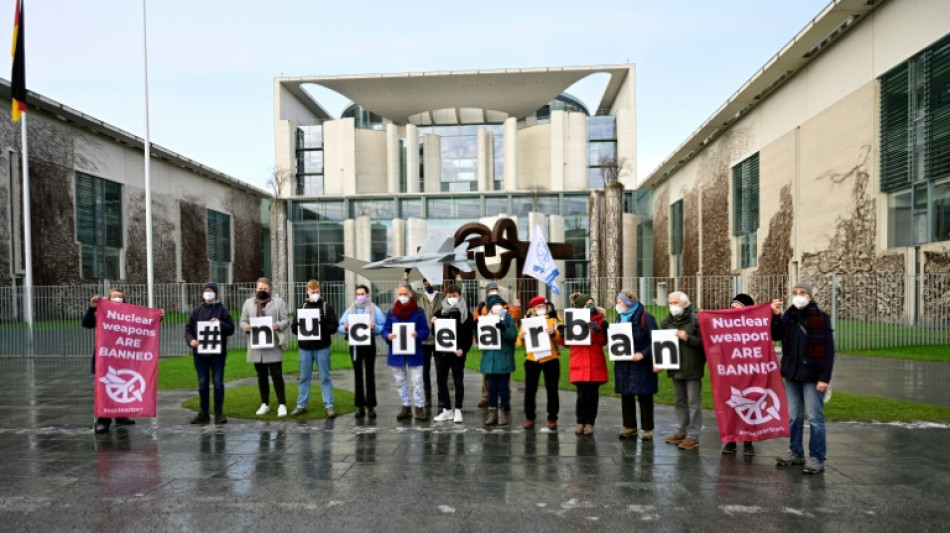
Putin nuclear threats 'extremely dangerous', 'blackmail': ICAN

 New Zealand Football withdraws support for Infantino, urges review
 Hopes fade in Colombia as window to find quake survivors shuts
 Trump announces tariffs of up to 100% on imported drones
 Spieth among five sharing Memphis lead as PGA playoffs open
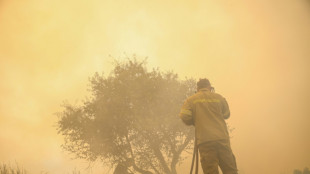 Boats rescue tourists as forest fire flames threaten Greek beaches
 Good vibes powering Djokovic return to Cincinnati
 Britain's Hunt wins 200m for European sprint double

 Draper dumped as Norrie saves face for Britain in Cincinnati

 England opener Gay out for duck in Pakistan warm-up
 Europe swelters under fresh wave of extreme heat
 French Olympic gold medallist Florent Manaudou announces retirement
 Tourists rescued by boat as forest fire threatens Greek beaches
 Indicted Raul Castro reappears after months out of public view
 Italian teen Curtis breaks women's 50m backstroke world record for second time

 Taulagi steps out of 'comfort zone' with code switch to French Top 14 new boys
 Leicester's Thai owners put troubled club up for sale: reports
 Stocks steady as US inflation worries ease, oil slips
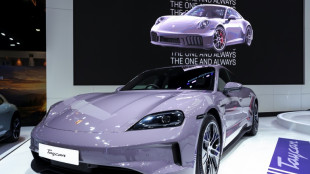 Porsche to end production of flagship electric car: report

 Twitch sparks gamers' wrath with Amazon AI sharing deal

 Blaze forces families to abandon Turkish tour boat

 'If you can, move!' say Rome's viral dancing seniors
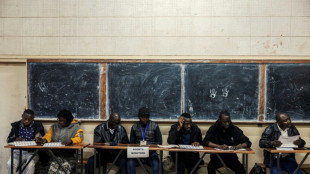 Zambia voters weigh Hichilema's economic record

 SBCFX to Showcase Trading Innovation, Regional Growth Strategy, and Future Vision at iFX EXPO Asia 2026

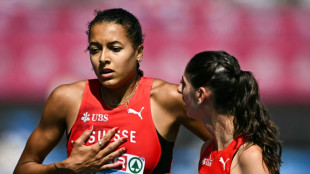 Hodgkinson sets up Werro showdown after Euro 800m drama
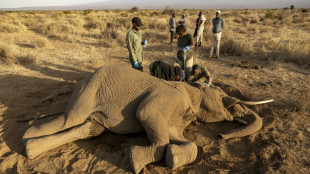 'How many will die?': the mysterious ailment killing Kenyan elephants

Russian President Vladimir Putin is using nuclear "blackmail" to keep the international community from interfering in his Ukraine invasion, the head of the Nobel prize-winning group ICAN said.
"This is one of the scariest moments really when it comes to nuclear weapons," Beatrice Fihn, who leads the International Campaign to Abolish Nuclear Weapons, told AFP in an interview Tuesday.
The 40-year-old Swede, who has spearheaded the group's global efforts to ban the weapons of mass destruction since 2013, said she had never in her lifetime seen the nuclear threat level so high.
"It is incredibly worrying and overwhelming."
Just days after Russia launched its full-scale invasion of its pro-Western neighbour on February 24, Putin ordered his country's nuclear forces to be put on high alert, sparking global alarm.
Addressing the US Congress on Tuesday, Avril Haines, US Director of National Intelligence, described Putin's move as "extremely unusual".
"We have not seen a public announcement from the Russians regarding a heightened nuclear alert status since the 1960s," she pointed out.
Fihn described the move as "extremely dangerous".
"Not only is this meant to instil fear in the whole world; it's also meant to scare anyone from helping in Ukraine."
- 'Everyone is terrified' -
Countries during the Cold War argued that large nuclear arsenals served as deterrents, helping avoid conflict. Now Moscow was using its arsenal to enable conflict, she said.
"Russia is using it to blackmail almost, to be able to invade Ukraine, and nobody can interfere."
The nuclear threat "is now being used in an extremely malicious and evil way, to... enable an illegal invasion of a country that doesn't have nuclear weapons."
Would Putin actually use nuclear weapons? Fihn stressed she still did not think it was likely.
But "it is not ruled out", she said. "We are starting to worry that it might happen."
But even if there is no plan to actually use such weapons, with tensions soaring "misunderstandings can escalate quickly and we could stumble into nuclear use by accident", she warned.
Fihn said she had received numerous messages from people asking how to speak to their children about the threat.
"Everyone is terrified right now," she said, acknowledging that the situation was getting to her too.
"I spent the last decade talking about what happens when a nuclear weapon is used, what happens to bodies, what happens to cities," she said.
"I am finding it very difficult to talk about it now."
- 'Wake-up call' -
But Fihn hopes the current crisis will serve as a wake-up call that will push countries towards nuclear disarmament.
"If we survive this, we're not going to be so lucky all the time," she said.
"We cannot let countries do this to other countries anymore, (just) because they have nuclear weapons."
ICAN won the 2017 Nobel Peace Price for its key role in drafting the Treaty on the Prohibition of Nuclear Weapons, which took effect a year ago.
Fifty-nine countries have ratified the treaty, and more have signed it.
Fihn pointed out that the treaty bans the kinds of nuclear threats being made by Russia, which is not a party to it. Nor are any of the states known to possess nuclear weapons.
But the current crisis has sparked growing interest in the treaty, she said.
"I feel like there's an opening now that we can really start working towards nuclear disarmament."
Once the conflict ends, she aid, Russia should not be permitted to maintain its current nuclear arsenal.
"They're going to have to do something... in order to be able to be let back into the international community again, and nuclear disarmament should be that."
A.Santos--PC