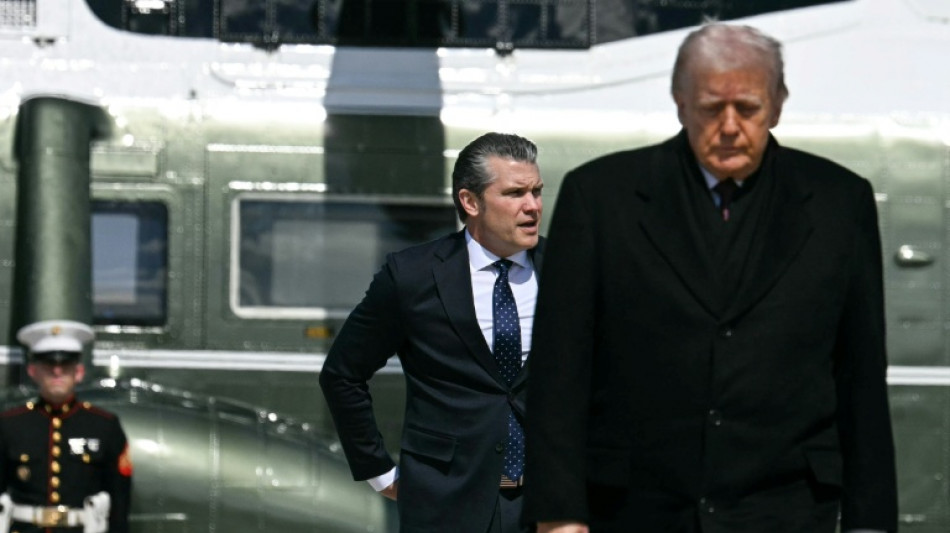
Iran causes 'extensive' damage to Qatar gas hub, sparks Trump warning / Photo: Jim WATSON - AFP

 Soldiers' mutiny rocks Niger capital, as junta claims to be back in control
 Seven Arrested After VCK Functionary Killed in Thiruneermalai Attack
 Kanye West Does Not Address Milo Yiannopoulos Detention During New Orleans Concert

 Taylor Swift Donation Supports Connecticut Mother Recovering From Serious Roadside Injuries

 Taylor Swift Gives $50,000 to Fundraiser for Mother Injured While Helping Crash Victims

 Los Angeles County Rapper Among Three Charged in $8.1 Million Stolen-Check Case

 Pittsburgh Speed Painter Surprises Jalen Brunson With 10-Minute Portrait
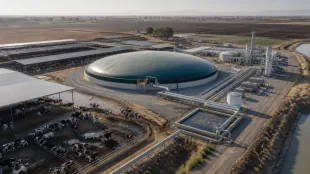 California Dairy Hydrogen Project Sets Carbon-Intensity Record and Renews Biogas Debate

 Munoz saves Iraola in Liverpool draw, Hull extend dream start
 'Smooth' Marc Marquez wins Aragon MotoGP sprint, Bezzecchi on pole
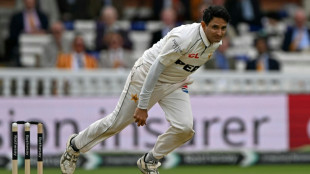
 Tiny Elversberg stun Leverkusen on Bundesliga debut
 Russian strike blows up arms depot near Kyiv, killing 37
 Lebanon archaeological finds showcase rich heritage despite war woes

 Liverpool held by Forest on Iraola's Anfield debut
 Rescuers claw through mud as missing toll from Nepal, China flood nears 3,000
 Mourinho says Mbappe worthy of Ballon d'Or
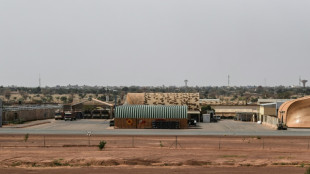 Clashes rock Niger capital, junta says back in control

 India's Neeraj Chopra out for season with ankle injury

 College Values Debate Puts Harvard and Columbia Under Parental Scrutiny

 Michelle Obama Says She Welcomes Life After Active Parenting Years
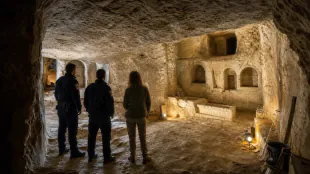
 Court Dispute Features Alleged Racist Texts Attributed to Milo Yiannopoulos

 TMZ Poll Invites Readers to Weigh Week’s Celebrity and Political Stories

 Influencers Agree to Keep Producing Joint Content During Divorce

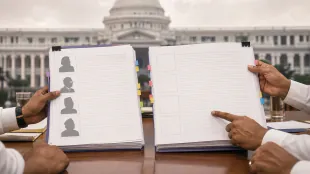 Omitted Social Justice Figures Trigger Dispute Over Tamil Nadu Policy Note

 Ray J Open to Settling Blueface Dispute in Paid Boxing Match
Qatar reported "extensive" damage on Thursday to the site of the world's largest liquefied natural gas (LNG) facility following Iranian strikes, sparking fears for global energy supplies and fresh threats from Donald Trump against Iran.
Tehran carried out attacks on Qatar's huge Ras Laffan LNG facility in retaliation for an Israeli strike Wednesday on Iran's South Pars gas field, part of the world's largest natural gas reservoir.
Oil prices soared five percent and European gas jumped by 35 percent on Thursday on fresh concerns about the impact on energy supplies of the nearly three-week-old Middle East war.
US President Donald Trump warned Iran to stop attacks on Qatar, threatening to "massively blow up the entirety of the South Pars Gas Field".
In a post on social media, he said Washington "knew nothing" about the Israeli attack on South Pars, saying it had "violently lashed out" in "anger".
He said that "no more attacks will be made by Israel" on South Pars unless Iran continues to attack Qatar, in which case the United States "will massively blow up the entirety" of the gas field.
- Significant escalation -
Qatar is one of the world's top liquefied natural gas producers, alongside the United States, Australia and Russia, and its Ras Laffan facility is the world's largest LNG hub.
It has been repeatedly targeted by Iran since the war began, and state-run QatarEnergy said Thursday that two waves of Iranian strikes had caused "sizeable fires and extensive further damage" to several LNG facilities.
Energy prices have already spiralled since tanker traffic through the Strait of Hormuz, which normally carries a fifth of the world's oil and LNG, was brought to a near standstill by the threat of Iranian attacks.
But analysts said the targeting of energy production facilities, not just storage depots and transport, is on a different scale.
The attack on Qatar's hub "marks a significant escalation in the Middle East war," Theresa Fallon, director of the Centre for Russia Europe Asia Studies, wrote on X.
"The economic effect will likely be felt for years."
The United States and Israel began the war on February 28 by attacking Iran and killing its supreme leader, Ayatollah Ali Khamenei.
Iran retaliated with strikes against Israel and US allies and interests across the Gulf and Iraq, drawing the whole region into war.
Gulf nations had strongly criticised the attack on Iran's South Pars gas field, which supplies around 70 percent of the country's domestic natural gas.
It is also part of the South Pars/North Dome megafield, the largest known gas reserve in the world that is shared with Qatar.
Qatar called the attack "dangerous and irresponsible", while the United Arab Emirates offered a rare rebuke, calling it a "dangerous escalation".
"Targeting energy infrastructure poses a direct threat to global energy security," the UAE foreign ministry said.
After Iran's attack on its Ras Laffan hub, Qatar ordered Iran's military and security attaches along with their staff to leave the country.
Elsewhere, Kuwait on Thursday reported drone attacks on two oil refineries, while Saudi Arabia said it reserved the "right to take military actions" after intercepting drones targeting energy infrastructure in the east.
- 'Blood comes at a price' -
After killing Iran's supreme leader, Israel this week claimed the lives of several other members of the Islamic republic's leadership, including national security chief Ali Larijani and intelligence chief Esmail Khatib.
China on Thursday condemned Larijani's death, with a foreign ministry spokesman saying "killing Iranian state leaders and attacking civilian targets" was "unacceptable".
New supreme leader Mojtaba Khamenei, who has not been seen in public since he was appointed to succeed his slain father, vowed retaliation.
"Every drop of spilled blood comes at a price, and the criminal murderers of these martyrs will soon have to pay it," read a message posted late Wednesday on Mojtaba Khamenei's official Telegram channel.
A US-based rights group has reported more than 3,000 people killed in Iran by the US-Israeli strikes, a figure that could not be independently verified, but Tehran is still unleashing missile and drone attacks across the Middle East.
An Iranian missile barrage killed a Thai foreign worker in central Israel, Israeli medics and Thailand's foreign ministry said, bringing the death toll in the country to 15.
Missile debris also killed three Palestinian women in the occupied West Bank, the Palestine Red Crescent Society said.
- 'Largely degraded' -
In Washington, US intelligence chief Tulsi Gabbard told Congress the Iranian government remained "intact but largely degraded", while also acknowledging Tehran had not resumed nuclear enrichment.
The death toll rose meanwhile in Lebanon, which has been drawn into the conflict since the Iran-backed militant group Hezbollah launched rockets at Israel over Ali Khamenei's death.
Israeli strikes hit central Beirut multiple times on Wednesday, killing at least 12 people according to Lebanese authorities, as fighting with Hezbollah intensified.
A line of cars stretched as far as the eye could see along the country's southern coast as residents of affected areas fled to the ancient city of Sidon in search of safety.
One man, Nidal Ahmad Chokr, said he initially intended to stay put but finally decided on Tuesday to leave his village of Jibchit, as the air strikes intensified.
"Bakers died while making bread" in the village square and "municipal workers were martyred while using bulldozers", the 55-year-old said.
burs-ar/ser
A.Silveira--PC