-
 Mourinho says Mbappe worthy of Ballon d'Or
-
Rain frustrates England's bid for Pakistan series win
-
 Clashes rock Niger capital, junta says back in control
-
Rafael Leao leaving AC Milan for Galatasaray

-
 India's Neeraj Chopra out for season with ankle injury
-
College Values Debate Puts Harvard and Columbia Under Parental Scrutiny

-
 Sabalenka Defends Basketball-Inspired Nike Kit at US Open
-
Michelle Obama Says She Welcomes Life After Active Parenting Years

-
 Jerusalem Police Operation Uncovers Second Temple-Era Burial Cave
-
Court Dispute Features Alleged Racist Texts Attributed to Milo Yiannopoulos

-
 Police Report Details Famous Dex Domestic Battery Allegations
-
TMZ Poll Invites Readers to Weigh Week’s Celebrity and Political Stories

-
 Freedom 250 Winner Kirkwood Jokes Against IndyCar Return to Washington
-
Influencers Agree to Keep Producing Joint Content During Divorce

-
 Judge Grants Brittany Cartwright Temporary Restraining Order Against Jax Taylor
-
Ray J Open to Settling Blueface Dispute in Paid Boxing Match

-
 Celebrities Share Late-Summer Photos in August Gallery
-
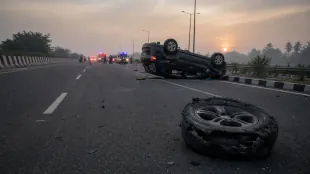
Three Students Die, Four Injured in Madurantakam Car Crash
-
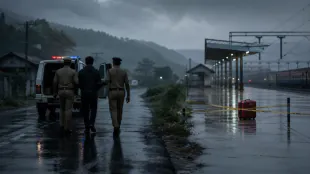 Suspect Arrested in Manipur After Body Found on Tamil Nadu Express
-
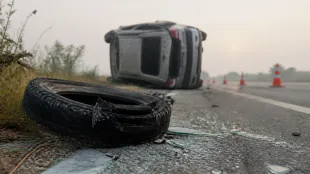
SUV Tyre Failure Kills Three Chennai College Students
-
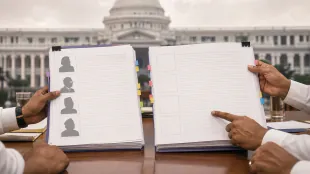 Omitted Social Justice Figures Trigger Dispute Over Tamil Nadu Policy Note
-
TVK Legislator’s Jallikattu Criticism Draws Demand for Party Clarification

-
 BJP Leadership Reviews Youth Outreach and Seven State Elections
-
Karnataka Rules Out Smaller Mysuru Dasara Despite Drought

-
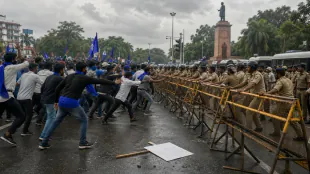 Bhim Army Protesters and Police Scuffle During Patna BPSC March
-
Nepal Flood Zone Faces New Threat From Landslide-Formed Lakes

-
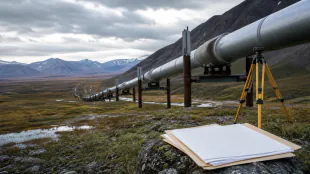 US Accelerates Review for 30-Year Trans-Alaska Pipeline Renewal
-
Week 0 Betting Promotions Span Sportsbooks and Prediction Markets

-
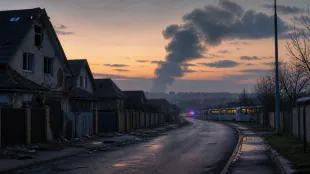 Russian Strike in Kyiv Region Kills at Least 27 and Forces Evacuations
-
Notre Dame, LSU and Utah Selected at Different Levels of College Football Title Market

-
 Opinion Debate Revisits Privilege and the Meaning of Noblesse Oblige
-
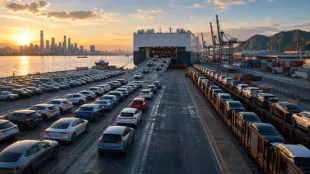
China Auto Exports Surge as Industry Moves Toward Overseas Production
-
 Sunwoda First-Half Revenue Reaches Record as Battery Shipments Accelerate
-
RoboSense Robotics Revenue Expands as New Sensor and Joint Products Near Production

-
 KFF Health News Minute Tracks Weekly US Healthcare Developments
-
KFF Journalists Address Measles, Vaccines, Food Recalls and Health Policy

-
 Trump Call Briefly Interrupts Nvidia Company Meeting
-
Study Finds Psilocybin Makes Brain Activity More Responsive to Immediate Experience

-
 Running a Local Language Model Offers Privacy With Hardware Trade-Offs
-
Technology Companies Warn Organizations Have Months to Prepare for AI Cyberattacks

-
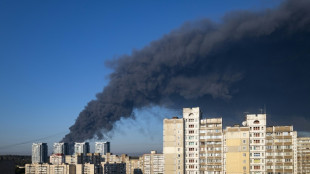 At least 37 dead after Russian strike on depot near Kyiv
-
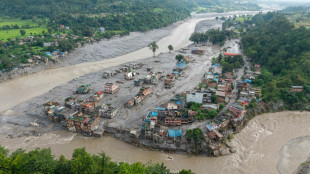
Nepalis cling to hope for missing, three days after disaster
-
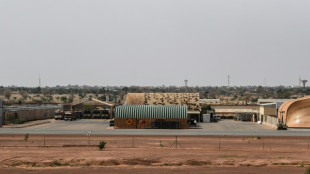 Clashes in Niamey after troops attempt to storm presidential palace
-
Norway mourns passing of King Harald as son King Haakon VIII ascends throne
-
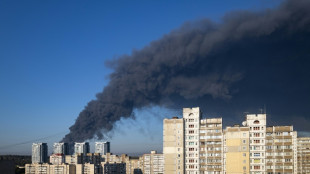 At least 27 dead after Russian strike on depot near Kyiv
-
Norris extends McLaren stay until 2030

-
 Rapper Criticises Theresa May During All Points East Performance
-
Netflix Series Reconstructs Mica Miller's Life and Death

-
 Dubai Investor Explains Dh50,000 Monthly Draw and Long-Term Strategy
-
Baladi App Turns Lebanon's Broken Infrastructure Into a Public Map
Iran warns of 'zero restraint' amid heightened gas and oil attacks
Iranian attacks on the world's largest LNG plant in Qatar and refineries in Saudi Arabia and Kuwait sent shock waves through energy markets Thursday as the United States said there was no deadline to end the Middle East war.
Amid growing fears over the economic damage from the war, US President Donald Trump said there would be no repeat of Israel's attack on Iran's key South Pars gas field, but he warned of a furious US response if Tehran did not halt strikes on Qatar.
Iran responded that it would have "zero restraint" if its energy infrastructure was hit again.
Oil markets have already been shaken by Iran's blocking of the Strait of Hormuz.
But the international benchmark Brent surged 10 percent to $119 a barrel before falling back to $112, while European gas prices rose 35 percent, after Iranian missiles hit Qatar's huge Ras Laffan liquefied natural gas complex in retaliation for the Israeli strike on South Pars on Wednesday.
The nighttime attack on Ras Laffan, a repeated target since the start of the war on February 28, caused "extensive damage", QatarEngery said.
Qatari Prime Minister Sheikh Mohammed bin Abdulrahman Al Thani said the attack was "clear proof" that Iran was going past its vow to only target US interests in the Gulf.
And attacks blamed on Iran spread.
A drone crashed into the Samref refinery in Saudi Arabia's Red Sea port of Yanbu, the Saudi defence ministry said. The government reserved the "right to take military actions" in response.
In Kuwait, drone attacks sparked fires at the Mina Abdullah and Mina Al-Ahmadi refineries, which have a combined capacity of 800,000 barrels per day.
Even in Israel, media said an oil refinery in the port of Haifa was hit on Thursday, after the military warned of missiles launched by Iran.
- 'Zero restraint' -
Trump indicated he did not know in advance about Israel's raid on South Pars, which supplies about 70 percent of Iran's domestic needs. But he said he had told Israeli Prime Minister Benjamin Netanyahu not to hit more gas fields in Iran.
"We get along great. It's coordinated, but on occasion, he'll do something" that the United States opposes, Trump said.
Trump warned earlier that the United States would "blow up" South Pars if Tehran did not stop attacking Qatar. But he said Thursday there was no current plan to send troops into Iran.
Iran responded to the threats with defiance. The military's Khatam Al-Anbiya operational command vowed the "complete destruction" of Gulf energy infrastructure if the Israeli attack was repeated, according to a statement carried by Fars news agency.
Foreign Minister Abbas Araghchi said on social media there would be "ZERO restraint" if Iran's infrastructure was hit again.
- 'Safe passage' sought -
There is growing concern among the world's major economies over fallout from the conflict.
Britain, France, Germany, Italy, Japan and the Netherlands said they would "contribute to appropriate efforts to ensure safe passage through the Strait of Hormuz" but gave few details.
French President Emmanuel Macron condemned the "reckless escalation" in attacks and called for "direct talks between the Americans and Iranians on this matter".
UK Prime Minister Keir Starmer's office warned that "attacks on critical infrastructure risked pushing the region further into crisis", after talks with Macron and NATO chief Mark Rutte.
India and China also expressed new concern about their supplies which flow through the Hormuz strait. Fuel shortages have sparked long queues at petrol stations across Asia and increased costs around the world.
- No time frame for war's end -
US Defense Secretary Pete Hegseth said there is no time frame for ending the war, but that "we're very much on track" and Trump would choose when to end fighting.
"It will be at the president's choosing, ultimately, where we say, 'Hey, we've achieved what we need to,'" he told a Washington news conference.
Commentators said the energy attacks showed gaps between the United States and Israel over war tactics.
"The conflict is drifting into a war of attrition -- with no clear signs of regime collapse in Iran," said Danny Citrinowicz, a senior fellow at Israel's Institute for National Security Studies, on X.
The attacks "underscored just how unstructured this campaign has become -- lacking strategic clarity, long-term planning, and a defined end state".
US media said the administration could seek more than $200 billion in additional war funding from Congress.
"I think that number could move. Obviously it takes money to kill bad guys," Hegseth commented.
- Tehran queues -
Iran is meanwhile gearing up for the key holiday of Nowruz, the Persian new year, on Friday.
A US-based rights group has reported more than 3,000 people killed in Iran by the US-Israeli strikes, a figure that could not be independently verified.
In Tehran, however, there was little to suggest that the country was mired in war or that it had lost its supreme leader Ayatollah Ali Khamenei and other key officials in US-Israeli strikes.
Though security was more intense than usual Thursday, Tehran's city centre was filled with traffic jams and street vendors haggling over the price of clothes and fruit.
burs-tw/dcp
M.Gameiro--PC