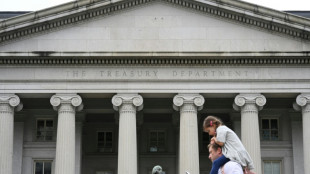
Top World Bank official 'extremely concerned' by fallout of Iran war / Photo: JOHN THYS - AFP

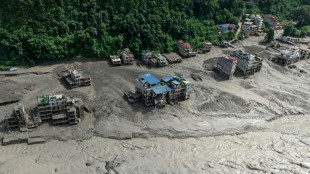
 How a glacier collapse may have caused Nepal-Tibet disaster

 Harmovest Capital Strengthens Global Financial Services Through Technology and Compliance

 Nvidia to buy AI platform Hugging Face for $12.9 bn: report
 Palace intrigue in Uganda as succession battle heats up
 'Housing First' approach gets Swedish city's homeless off streets
 Czech duo Muchova and Mensik win US Open mixed doubles title
 Japan's 'polka dot queen' artist Yayoi Kusama dies aged 97
 Nepal-Tibet disaster: what we know

 China deploys record number of ships around Taiwan as pressure grows

 Ruthless Bayern target treble as rivals reboot on Bundesliga return

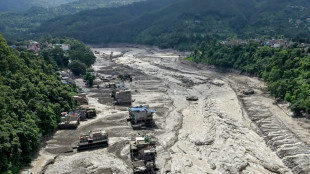 What experts know so far about Nepal's deadly floods

 UEFA set to withdraw FIFA boycott threat ahead of Champions League draw
 Sumo moves to beat Japan summer heat as temperatures rise
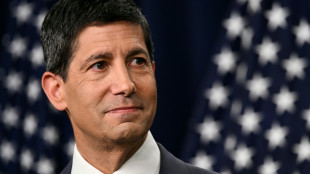 'Be more honest': Markets crave clarity from cryptic Fed chair

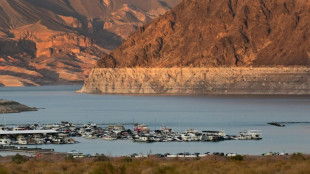 Climate change leaves its mark on America's largest reservoir
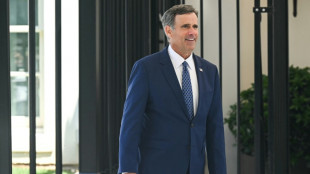 CIA director warned Russia not to attack NATO members: US media
 Search for missing after Nepal-Tibet floods kills at least 160
 Meta, US states agree $18 bn settlement in landmark teen safety case

 What scientists know so far about Nepal's deadly floods

 US general visits Colombia to discuss war on drugs

 Meta settlement puts social media industry on notice: 'There will be more'
 NFL owners approve record Seahawks sale

 Nigerian armed groups net nearly $6 mn in ransoms: study

 Savio scores on debut as Spurs advance in League Cup

 Mbappe hits treble as Real Madrid thrash Real Sociedad

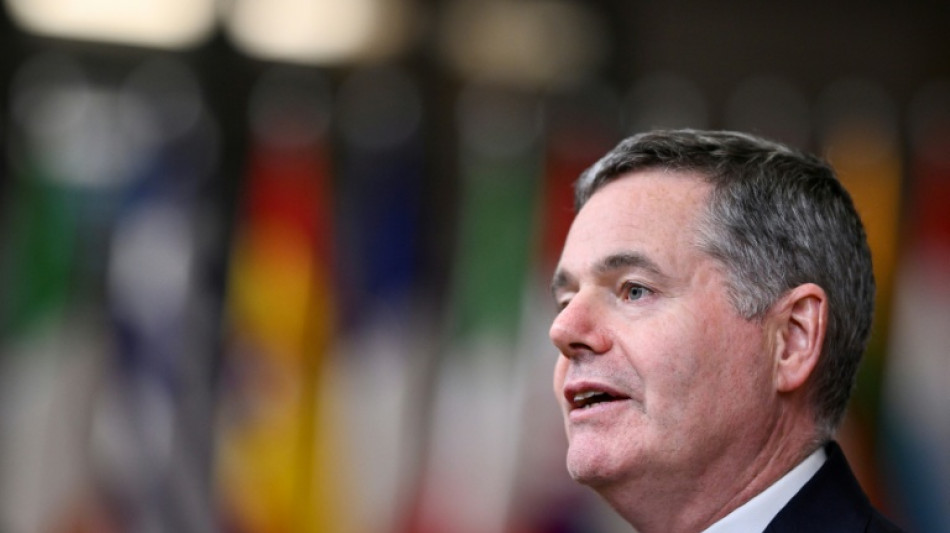
The World Bank is "extremely concerned" about the effect the war on Iran will have on inflation, jobs and food security, and is in talks with member states on how to address immediate needs in the crisis, a top official told AFP on Wednesday.
Managing Director Paschal Donohoe's comments came as his organization announced a new partnership with the International Monetary Fund (IMF) and International Energy Agency (IEA) to coordinate aid responses to the war.
Donohoe flagged that countries in Asia and Africa were particularly vulnerable to the energy, price and supply-side shocks of the crisis.
"At the moment, we are consulting with many governments and countries in relation to what their needs will be, and I would anticipate within the next number of weeks that will become far clearer," Donohoe said.
The United States and Israel launched strikes on Iran on February 28, igniting a war that has engulfed the Middle East, snarled key supply chains and sent energy prices soaring.
The World Bank offers development assistance and immediate budgetary support to member nations in the form of loans and technical assistance.
Donohoe said the organization was currently offering both forms of support in talks with countries in need.
"We are extremely concerned regarding the effect that this will have on inflation, on jobs and on food security," he said. "That is why we will put in place responses that have a financing element and a policy element that can and will be of support.”
Discussions regarding financial options -- which could take the form of immediate loans -- were "underway," but were not expected to conclude for "a number of weeks."
On the policy advice front, Donohoe expected talks to wrap up "in a few days' time."
- Risks go beyond energy -
Since the start of the war, Tehran has virtually blocked the key Strait of Hormuz, through which roughly a fifth of the world's crude oil and liquefied natural gas -- and one-third of its fertilizers -- pass.
Much of that is bound for Asian countries, which have seen energy flows abruptly dry up, as prices spike and supplies shrink.
Several countries -- including top World Bank borrowers Pakistan, Indonesia and Bangladesh -- have implemented widespread fuel-saving measures to address the crisis, saving what they have for use in key industries and sectors.
Vulnerable countries in Asia and Africa have flagged several issues of concern to the bank.
"They're calling out the income shock that will be created due to rising prices, what that will mean for households and businesses," said Donohoe.
In addition to the shock of lower energy availability -- which can lead to a drop in economic output -- there are also concerns about food security related to fertilizer supply chains being frozen.
Earlier this week, the IMF flagged that the war could have a serious effect on low-income countries if food prices rise significantly.
"People in low‑income countries are most at risk when prices rise because food accounts for about 36 percent of consumption on average, compared with 20 percent in emerging market economies and nine percent in advanced economies," said an IMF report.
In Africa, South Asia and the Middle East, the IMF warned that a number of countries were already struggling with meager foreign reserves and "limited market access," making them vulnerable to "dangerous" debt shocks.
Donohoe, of the World Bank, said the lender was "well positioned to assist countries in their economic response" and was engaged in "intense" talks with member states.
"While this challenge is going to begin in energy, it really has the ability to have consequences that go across entire economies," he said.
Ferreira--PC