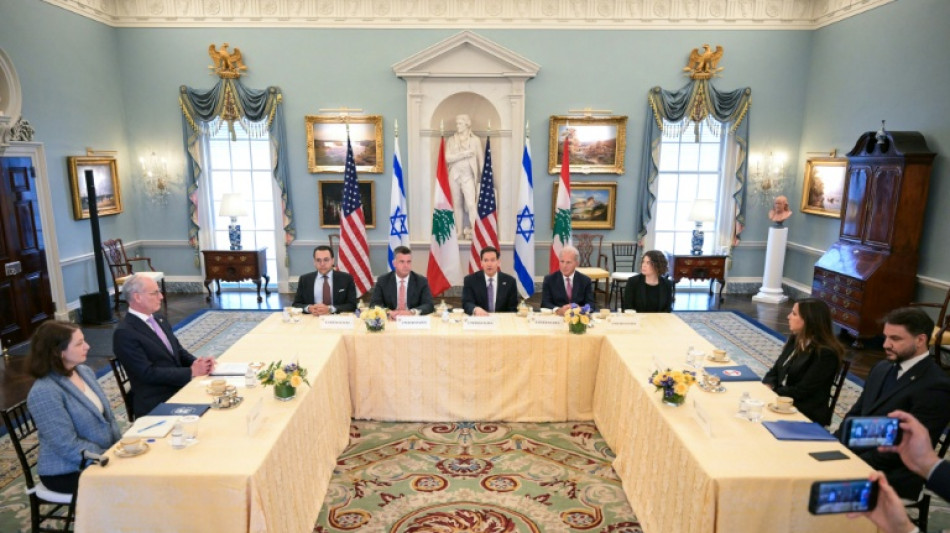
Trump says Iran talks may resume as Israel, Lebanon open direct track / Photo: Oliver Contreras - AFP

 'Here to win': Xavi vows to restore pride in Dutch football
 Cameroon's Baleba joins as Man United boost midfield options
 'Shocking' book about Putin's private life wins French literary prize
 Pogacar storms to Vuelta a Espana stage four solo triumph

 Canada unveils counter-tariffs of 15-50% on US goods
 Volkswagen boss braces German workers for more job cuts
 Olympic champion Brignone to undergo new knee operation
 The summer climate change became scorching reality for Europe
 Root angered by England's off-field 'stupid mistakes'

 Welsh rugby league 'giant' Boston dies, aged 92
 Root annoyed by England's off-field 'stupid mistakes'
 One million Afghan children suffer 'life-threatening' malnutrition: UN

 Sri Lanka trail India by 238 runs in second Test
 West Bank settlers attack AFP journalists
 MEXC Kicks Off MOVE Carnival With 0-Fee Trading and 1M USDT in Rewards
 Human rights in Myanmar hitting a 'new low': UN

 Son of Luxottica founder quits after succession row

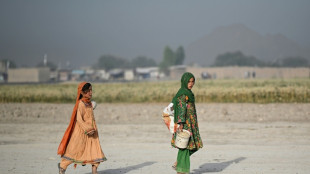 One million Afghan children suffering 'life-threatening' malnutrition: UN
 Real Madrid's Mourinho happy with squad despite losing out on Rodri
 Sri Lanka slump to 216-7 at tea in second India Test

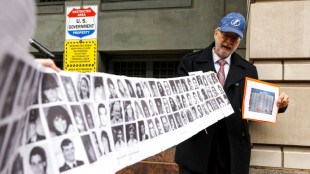 US delays Lockerbie bombing trial over new evidence

 Rohingya refugees protest dire conditions in Bangladesh camps

 Lego net profit up 32% in first half, 'stronger than expected': CEO to AFP

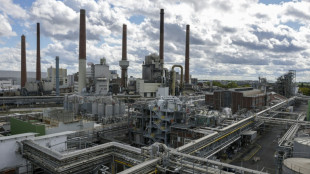 German GDP growth revised upwards, defying Iran war turmoil
 STARTRADER Adds 30 U.S. Stock and ETF CFDs as 2026 Product Expansion Accelerates

President Donald Trump said Tuesday that US-Iran peace talks could resume this week, while Israel and Lebanon agreed to launch direct negotiations, signaling movement on two key fronts in efforts to ease the Middle East conflict.
The parallel diplomatic openings came even as violence persisted, underscoring both the fragility of the process and Washington's push to stabilize a region shaken by the over-six-week war.
Trump told The New York Post a new round of talks with Tehran could take place in Pakistan "over the next two days," after saying the day before that unnamed Iranian officials had called him seeking a deal.
At the same time, Israel and Lebanon agreed to open direct talks after meeting in Washington, in what amounted to a rare diplomatic breakthrough between two countries formally at war for decades.
The negotiations were fiercely opposed by the Lebanese militant group Hezbollah, which said it fired rockets at more than a dozen towns in northern Israel just as the meeting got underway.
Washington is pressing for an end to the Israel-Hezbollah conflict, fearing it could unravel the fragile two-week ceasefire in its own war with Iran, after earlier talks with Tehran in Pakistan failed to produce a breakthrough.
Lebanon was drawn into the broader war when Hezbollah attacked Israel in support of Iran, its key ally, triggering an Israeli ground invasion and strikes that have killed more than 2,000 people and displaced more than a million.
The Washington meeting -- the first direct, high-level talks since 1993 -- was mediated by US Secretary of State Marco Rubio and involved the Israeli and Lebanese ambassadors to the United States.
"This is a historic opportunity," Rubio said as he welcomed the ambassadors, acknowledging the "decades of history" weighing on the process.
Lebanese President Joseph Aoun said he hoped the talks would "mark the beginning of the end of the suffering of the Lebanese people."
A State Department spokesperson later described the discussions as "productive," adding: "All sides agreed to launch direct negotiations at a mutually agreed time and venue."
Israeli ambassador Yechiel Leiter said the two countries had discovered they were "on the same side" in the goal of liberating Lebanon from Hezbollah while Lebanese envoy Nada Hamadeh Moawad called the meeting "constructive," but said she had pressed for a ceasefire.
Israel is occupying parts of southern Lebanon and has resisted any pause in fighting that leaves Hezbollah intact, arguing that the group remains the central obstacle to peace.
- Pressure on Tehran -
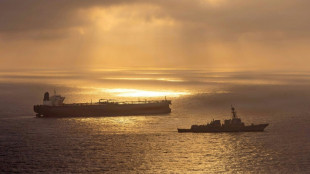
Even as diplomacy advanced, Trump sought to tighten pressure on Iran with a naval blockade.
US Central Command said the measures cover "vessels of all nations entering or departing Iranian ports and coastal areas."
On Tuesday, it said no vessels had transited the strait and six had complied with orders to turn back, though maritime tracking data suggested several ships that had visited Iranian ports had crossed since the blockade began.
Iran's military command called the blockade an act of piracy and warned that if the security of its harbors was threatened, "no port in the Persian Gulf and the Arabian Sea will be safe."
Analysts said Trump was aiming not only to choke off Iranian revenue but also to pressure Beijing, the biggest buyer of Iranian oil, to push Tehran to reopen the Strait of Hormuz.
China called the blockade "dangerous and irresponsible" after Trump threatened to sink any vessel seeking to leave or dock at Iranian ports.
Still, the truce agreed last Wednesday between Washington and Tehran remained in place.
Stock markets climbed on renewed hopes for a deal to end the war and reopen the waterway, while the main international oil contracts fell back, with Brent North Sea Crude at $94.79 a barrel and West Texas Intermediate at $91.28.
The US Treasury said it did not plan to renew a temporary easing of sanctions on Iranian oil that was introduced to soften war-related supply shocks.
Before the Washington meeting, Hezbollah leader Naim Qassem had called for the negotiations to be scrapped and vowed to keep fighting.
Foreign ministers from 17 countries, including Britain and France, urged both sides to seize the opportunity to bring lasting security to the region.
- Enrichment sticking point -
At the heart of any renewed US-Iran diplomacy is the dispute over Tehran's nuclear program.
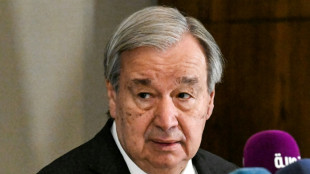
UN chief Antonio Guterres said there was "no military solution" to the conflict and that peace required "persistent engagement and political will."
"Serious negotiations must resume," he told journalists in New York.
Senior Pakistani sources told AFP that Islamabad was working to bring Iran and the United States together for a second round of talks.
Media reports said the United States sought a 20-year suspension of Iran's uranium enrichment program during the weekend talks.
Iran, in turn, proposed suspending its nuclear activity for five years, an offer US officials rejected, The New York Times reported.
Diplomatic efforts also accelerated elsewhere, with Russian Foreign Minister Sergei Lavrov in Beijing hours after speaking to his Iranian counterpart.
Moscow has offered to hold Iran's enriched uranium safely as part of any deal.
burs-ft/des
P.Sousa--PC