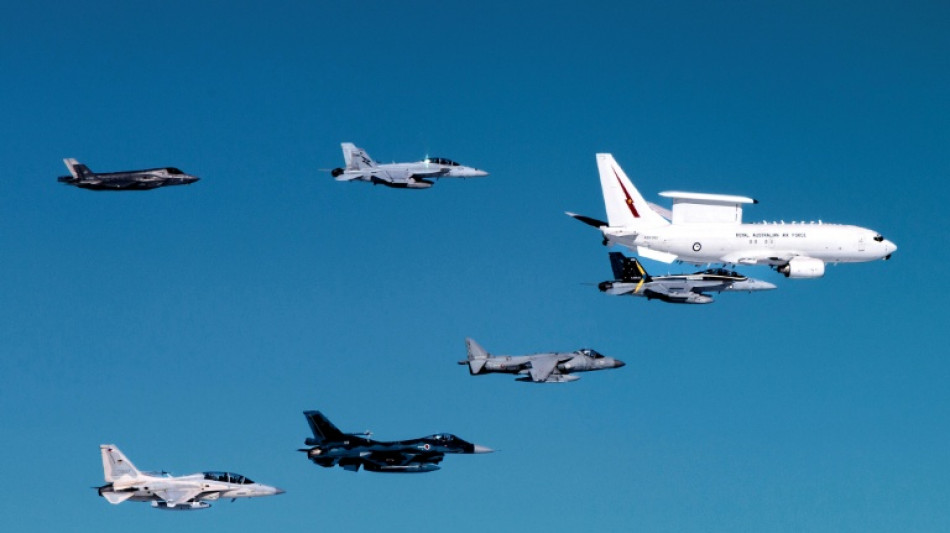
Australia to boost defence spending citing growing threats / Photo: Handout - AUSTRALIA DEFENCE FORCE/AFP

 West Bank settlers attack AFP journalists
 MEXC Kicks Off MOVE Carnival With 0-Fee Trading and 1M USDT in Rewards
 Human rights in Myanmar hitting a 'new low': UN
 Son of Luxottica founder quits after succession row

 One million Afghan children suffering 'life-threatening' malnutrition: UN

 Real Madrid's Mourinho happy with squad despite losing out on Rodri
 Sri Lanka slump to 216-7 at tea in second India Test
 US delays Lockerbie bombing trial over new evidence

 Rohingya refugees protest dire conditions in Bangladesh camps
 Lego net profit up 32% in first half, 'stronger than expected': CEO to AFP
 German GDP growth revised upwards, defying Iran war turmoil
 STARTRADER Adds 30 U.S. Stock and ETF CFDs as 2026 Product Expansion Accelerates
 Trees 'giving up': climnate change hammers historic English gardens
 Namibia paves way for phosphate mining in the Atlantic Ocean
 Six months into Iran war, Hormuz traffic way down, sailors stranded
 Netanyahu got his Iran war, but maybe not his desired result

 Hyundai reaches tentative deal with workers after strikes
 Once its saviour, US puts Kuwait in Iran's crosshairs
 Australia's top music charts ban AI songs
 Polaris Renewable Energy Announces Renewal of Normal Course Issuer Bid

 LiberNovo Support Week Goes Live: Up to 44% Off on Maxis, Omni SE and Omni Pro Ergonomic Chair Series
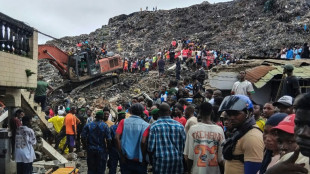 Despair and anger erupt after deadly Guinea landfill collapse
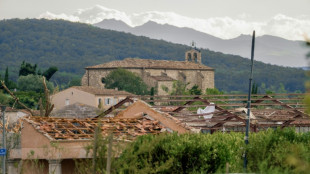 Tornado tears through French village, dozens injured

 Federer looks forward to brief return to Arthur Ashe stadium
 US removes Syria from state sponsor of terrorism list
Australia will raise defence spending to 3.0 percent of GDP by 2033 as armed conflicts flare worldwide, the government said Thursday.
The new commitment follows pressure from US President Donald Trump's administration for Canberra to boost military expenditure as a share of total annual economic output.
"International norms that once constrained the use of force and military coercion continue to erode," Defence Minister Richard Marles said in a prepared speech seen by AFP.
"More countries are engaged in conflict today than at any time since the end of World War II, and this is occurring across every region of the world."
Australia's defence spending had previously been forecast to rise to 2.3 percent of GDP by 2033.
The new target means Australia will spend an additional Aus$53 billion ($38 billion) over the next decade when compared to its 2024 defence strategy, Department of Defence officials said.
In the shorter term, spending would climb by an extra Aus$14 billion over four years.
To help it reach the 3.0 percent target, Australia has changed how it calculates the defence budget to match a NATO definition that includes factors such as military pensions.
- China build-up -
But the new spending still falls short of the 3.5 percent of GDP that US Defence Secretary Pete Hegseth demanded Australia shell out last year.
Wary of China's navy build-up, US ally Australia has reshaped its defence force in recent years to focus on its missile strike capability and deterring an adversary from its northern approaches.
Recent military projects include speeding up the construction of a major shipbuilding yard in Western Australia to service nuclear-powered submarines under the AUKUS defence deal with the United States and Britain.
Under that agreement, the United States and Britain will transfer nuclear-powered submarine capability to Australia's navy within 15 years.
Critics have alleged the deal does not guarantee that Australia will ever receive the submarines and it leaves the country with a major gap in its defences over the next decade.
Australia's vast coastline and small population have also spurred a focus on developing large autonomous submarines and fighter jets, dubbed the Ghost Shark and Ghost Bat.
This week, Canberra said it would boost spending on drones by up to Aus$5 billion in response to shifts in warfare tactics in the Middle East and Ukraine.
E.Raimundo--PC