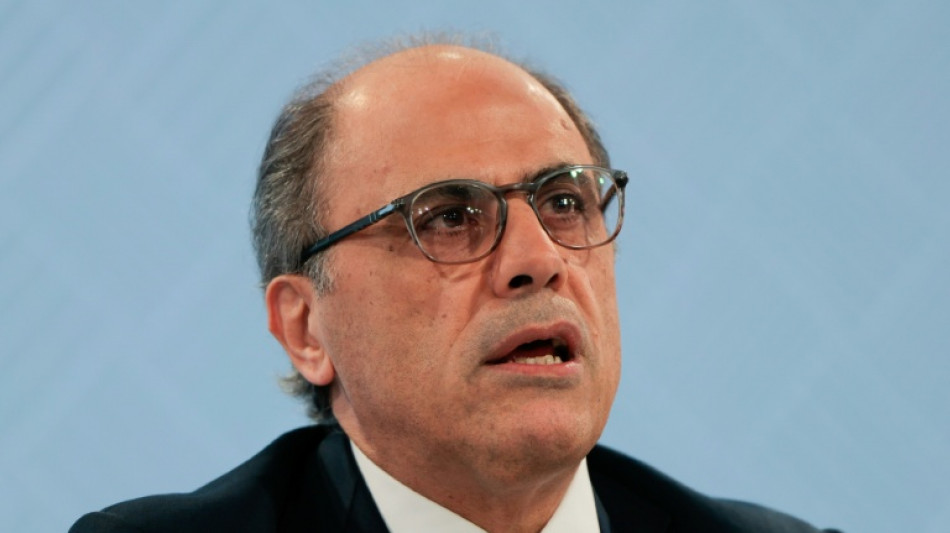
Mideast war an 'unprecedented' blow for region: IMF to AFP / Photo: Kent Nishimura - AFP

 Spurs splash out £75 million for Man City's Savinho

 IntellectEU Introduces Catalyst Core
 Stocks rise and oil slips as traders eye Iran threat, Nvidia results

 India in command despite Sooriyabandara half-century
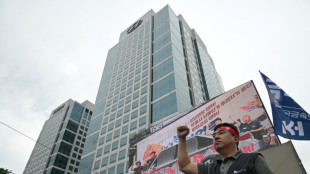 Hyundai reaches tentative deal with workers after strike

 Trees 'giving up': climate change hammers historic English gardens

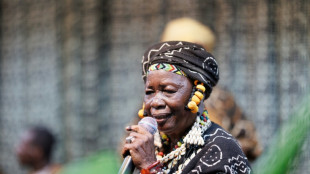 Malian songbird keeps age-old sounds alive at 88

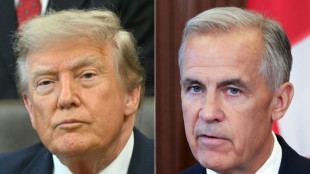 Canada to announce response to Trump's new tariffs
 Stocks stagger and oil rises as traders eye Iran threat, Nvidia results
 Families of detained Chinese Christians cling to faith in legal limbo
 Trump veers from boredom to denial after six months of Iran war
 Cool Japan: Human fridge chills workers in extreme heat

 Tens of thousands flee fire near US city of Reno

 LiberNovo Support Week Goes Live: Up to 44% Off on Maxis, Omni SE and Omni Pro Ergonomic Chair Series

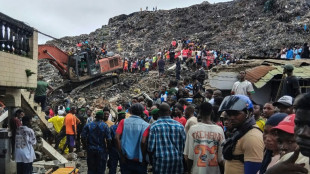 Despair and anger erupt after deadly Guinea landfill collapse
 Tornado tears through French village, dozens injured

 Federer looks forward to brief return to Arthur Ashe stadium

 US removes Syria from state sponsor of terrorism list
 Facebook, TikTok promoted Colombian armed groups' content to recruit children: HRW
 Palmeiras agree to sell Allan to Manchester City: source
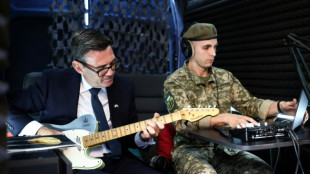
 US vows 'economic asphyxiation' of Iran with new sanctions
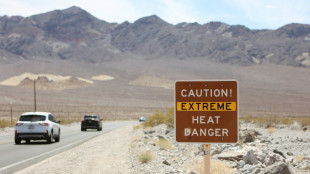 French tourist dies after getting stuck in scorching Death Valley

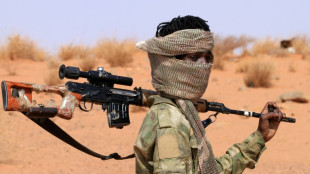 US proposes expanding UN Sudan arms embargo to entire country

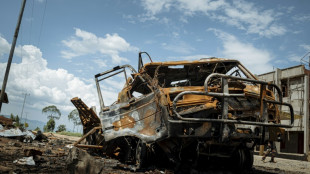 Ceasefire verification mission heads to east DR Congo
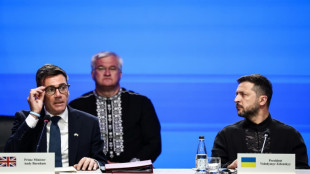
 Carse dropped from England squad after nightclub incident
The Middle East war has created an "unprecedented shock" for the region's economies with no guarantee of a quick recovery, a senior International Monetary Fund official has told AFP.
Five of the Gulf's eight oil- and gas-producing countries face a contraction this year, the IMF said in a regional report published on Thursday.
Growth in the others -- Saudi Arabia, the United Arab Emirates and Oman -- will slow but remain in positive territory, it said.
Predictions of a rebound next year hinge on how the conflict ends, Jihad Azour, IMF chief for the Middle East and Central Asia, said in an interview.
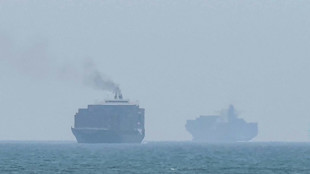
Iran's retaliatory attacks on energy infrastructure and the de facto closure of the key Strait of Hormuz shipping lane have put a stranglehold on Gulf exports, sending oil prices soaring.
"It's an unprecedented shock for the region," Azour said in a phone interview of the war.
The uncertainty is great, he added. "There's uncertainty over the how long the crisis will last and how it will end."
An agreement without assurances about the future "will make it hard to ensure confidence".
US-Iran peace talks in Islamabad last week broke up without a deal, although a diplomatic push is under way for a second round.
- Qatar contraction -
The wealthy Gulf, including Qatar, the United Arab Emirates and Saudi Arabia, the world's top oil exporter, have long traded on their reputation for stability to draw trade, talent and investment.
On Tuesday, the IMF's World Economic Outlook announced a "severe downward revision" of growth forecasts for Gulf energy producers this year, because of the war.
Thursday's regional report estimated that attacks on energy facilities and precautionary shutdowns have slashed Gulf energy production by more than 10 million barrels of oil and about 500 million cubic metres of gas per day.
Growth forecasts for the energy-rich Gulf Cooperation Council monarchies have been cut in half compared with October estimates, dropping to 2.0 percent, according to the latest report.
Along with energy, key sectors such as aviation, trade and tourism -- a major focus of the Gulf countries' drive to diversify their economies -- have been left reeling.
Qatar, one of the world's top exporters of liquefied natural gas, has been particularly hard-hit. October's growth prediction for 2026 has been cut by nearly 14 percentage points to an expected contraction of 8.6 percent.
Projections that the region will bounce back in 2027 "are based on the assumption of a rapid resolution of the conflict, with a normalisation starting in June and July", Azour said.
- 'Under control' -
Countries with higher fiscal reserves will have "greater resilience", he said, adding the IMF has "seen increases in spreads and some capital outflows... but the situation is still under control".
A prolonged crisis could also spread to other countries in the region.
Inflation triggered by high energy prices would worsen the humanitarian situation in the poorest countries, such as Sudan and Yemen, and hit heavily indebted countries like Egypt through higher interest rates.
Another knock-on effect concerns remittances from the Gulf's armies of immigrant workers, which provide up to five percent of GDP in countries such as Egypt, Jordan and Lebanon, already facing a financial crisis.
For Lebanon, "the shock is also direct" because of the war between Hezbollah and Israel, Azour said.
After 4.0 percent growth last year, the IMF is not issuing any projection for Lebanon in 2026.
"It is too early to assess the impact on infrastructure and on the southern region, which is currently a conflict zone," he said.
"But it is clear that a situation that was already precarious is going to become even more difficult."
S.Pimentel--PC