-
 Bagnaia pips Marquez to French Grand Prix pole
-
Tchouameni can play Clasico despite Valverde clash: Real Madrid's Arbeloa

-
 Conflict inflames tensions at Venice Biennale of Art
-
'No home left' for Gazans stranded in West Bank since Oct 7

-
 Indonesia rescuers search for hikers killed in volcanic eruption
-
Magyar to become Hungary's 'regime change' PM

-
 Wembanyama powers Spurs past T-Wolves as Knicks beat Sixers
-
Trapped seafarers traumatised by Gulf fighting: charities

-
 European minnows bid to challenge social media giants
-
Red-hot Knicks open 3-0 playoff lead against Sixers

-
 At 100th major, Aussie Scott sees best as yet to come
-
Scheffler and McIlroy fancied for PGA Championship title

-
 Acting US attorney general pursues Trump grievances at Justice Dept
-
Spirit exit likely to lead to higher US airfares, experts say
-
 World Cup to hold trio of star-studded opening ceremonies
-
Defending champ Jeeno grabs three-shot lead at windy Mizuho Americas Open

-
 McIlroy says PGA should be open to returns from LIV Golf
-
Im leads Fleetwood by one at Quail Hollow

-
 Peru presidential hopeful says electoral 'coup' underway
-
Mexico to cut school year short ahead of World Cup
-
 Lens secure Champions League spot and send Nantes down
-
Dortmund down Frankfurt to push Riera close to the edge

-
 Costa Rica's new leader vows 'firm land' against drug gangs
-
Messi says Argentina up against 'other favorites' in World Cup repeat bid

-
 Global stocks diverge, oil rises as fresh US-Iran clashes hit peace hopes
-
Ailing Djokovic falls to early Italian Open exit ahead of Roland Garros

-
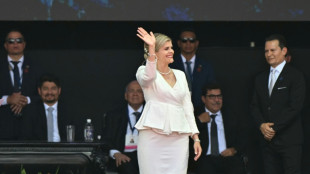 Costa Rica leader sworn in with tough-on-crime agenda
-
UK PM Starmer vows to fight on after local polls drubbing

-
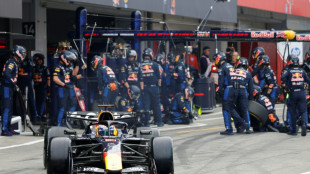 Formula One engines to change again in 2027
-
Djokovic falls in Italian Open second round to qualifier Prizmic

-
 NFL reaches seven-year deal with referees
-
Real Madrid fine Tchouameni and Valverde 500,000 euros over bust-up

-
 Hantavirus scare revives Covid-era conspiracy theories
-
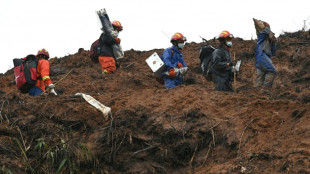
Report revives speculation China Eastern crash was deliberate
-
 Allen ton powers Kolkata to fourth win in a row in IPL
-
Zarco dominates Le Mans qualifying as Marquez struggles

-
 'Worst whistle' - Lakers coach blasts refs over LeBron treatment
-
French couple from virus-hit ship describe voyage as 'unlikely adventure'

-
 Van der Breggen soars into women's Vuelta lead with stage six win
-
WHO says hantavirus risk low as countries prep repatriation flights

-
 Stocks diverge, oil rises as fresh US-Iran clashes hit peace hopes
-
Zverev and Swiatek move into Italian Open third round

-
 Celtic driven by fear of failure in Hearts chase, says O'Neill
-
Selling factories to Chinese partners: risky road for European carmakers

-
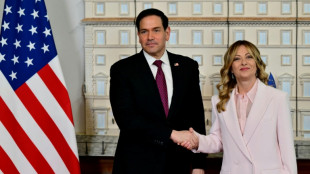 Rubio urges Europeans to share the Iran burden
-
France's Magnier sprints to victory in crash-hit Giro opener

-
 Is there anybody out there? Pentagon releases secret UFO files
-
US job growth beats expectations but consumer confidence at all-time low

-
 US fires on Iran tankers as talks hang in balance
-
German sports car maker Porsche to cut 500 jobs

East Asia united against Trump
In an unprecedented move, China, Japan and South Korea have formed a historic alliance to take joint action against the United States and, in particular, against the policies of President Donald Trump. This unusual cooperation between the three East Asian countries, which have often been marked by conflict and rivalry throughout their history, marks a turning point in global geopolitics and could have far-reaching implications for the global economy and international relations.
Overcoming historical tensions
Relations between China, Japan and South Korea have often been marked by mistrust and territorial disputes in the past. Historical conflicts in particular, such as Japan's occupation of China in the 1930s and the atrocities associated with it, have left deep scars. There are also ongoing tensions between South Korea and Japan that date back to the period of Japanese colonial rule. Nevertheless, these countries have now decided to put their differences aside and join forces against what they perceive as threatening US policies.
Reaction to Trump's tariff policy
The main reason for this alliance is the aggressive tariff policy of the US under President Trump. Since taking office, Trump has pursued a protectionist trade policy aimed at strengthening the US economy by imposing high tariffs on imports from various countries, particularly China, Japan and South Korea. These tariffs have significantly affected these countries' exports to the US and led to considerable economic losses. In response, the three countries have decided to work more closely together and develop joint strategies to counter the economic pressure from the US.
Historic meetings and agreements
A decisive step in this direction was the meeting of the trade ministers of China, Japan and South Korea in Seoul, which was described as historic. At this meeting, the first of its kind in over five years, the ministers agreed to accelerate negotiations on a trilateral free trade agreement. This agreement is intended to facilitate trade between the three countries and reduce their dependence on the US. In addition, they agreed to work more closely together to strengthen supply chains and promote the digital and green economy.
Political dimension
The alliance also has a strong political dimension. In a joint statement, the three countries emphasised the need for a ‘predictable environment for trade and investment’ and criticised the US's unilateral trade measures as destabilising for the global economy. This statement can be interpreted as a direct message to the US government that the East Asian countries are not prepared to accept the tariffs imposed by Trump without protest.
Possible implications
The implications of this alliance could be far-reaching. On the one hand, it could accelerate economic integration in East Asia and lead to a shift in global trade flows. If China, Japan and South Korea strengthen their trade relations with each other, this could reduce the importance of the US as a trading partner for these countries. On the other hand, the alliance could also have political and security implications. Traditionally, Japan and South Korea are close allies of the US in the region, and closer cooperation with China could call the existing alliance system into question.
Reactions from Washington
This development has caused concern in Washington. The US government fears that the alliance could weaken American influence in East Asia and jeopardise the US's strategic position in the region. In particular, the prospect of a trilateral free trade agreement is seen as a threat to the US economy, as it could make it more difficult for American companies to access the lucrative markets in China, Japan and South Korea.
A new model of cooperation
Despite the challenges this alliance poses, there are also voices that see it as an opportunity for a multipolar world order. Cooperation between China, Japan and South Korea could serve as a model for a new form of regional cooperation based on economic integration and mutual respect rather than hegemonic claims.
Outlook
Overall, the historic alliance between China, Japan and South Korea marks a turning point in global geopolitics. It is a direct response to the protectionist policies of the US under President Trump and could permanently change the balance of power in the world. It remains to be seen how this alliance will develop in the coming years and what impact it will have on the international order.

Europe, Germany and the end of the euro?
DeepSeek: The AI everyone is talking about...

Germany: Migration reform package
Trump needs to avoid debt Collapse

The Roman Empire and its downfall?

Argentina, Milei and the US dollar?
Is this Europe's plan for China?
Donald J. Trump: America is back

Meta's announcements and digital services?

Hungary: China's CATL battery factory
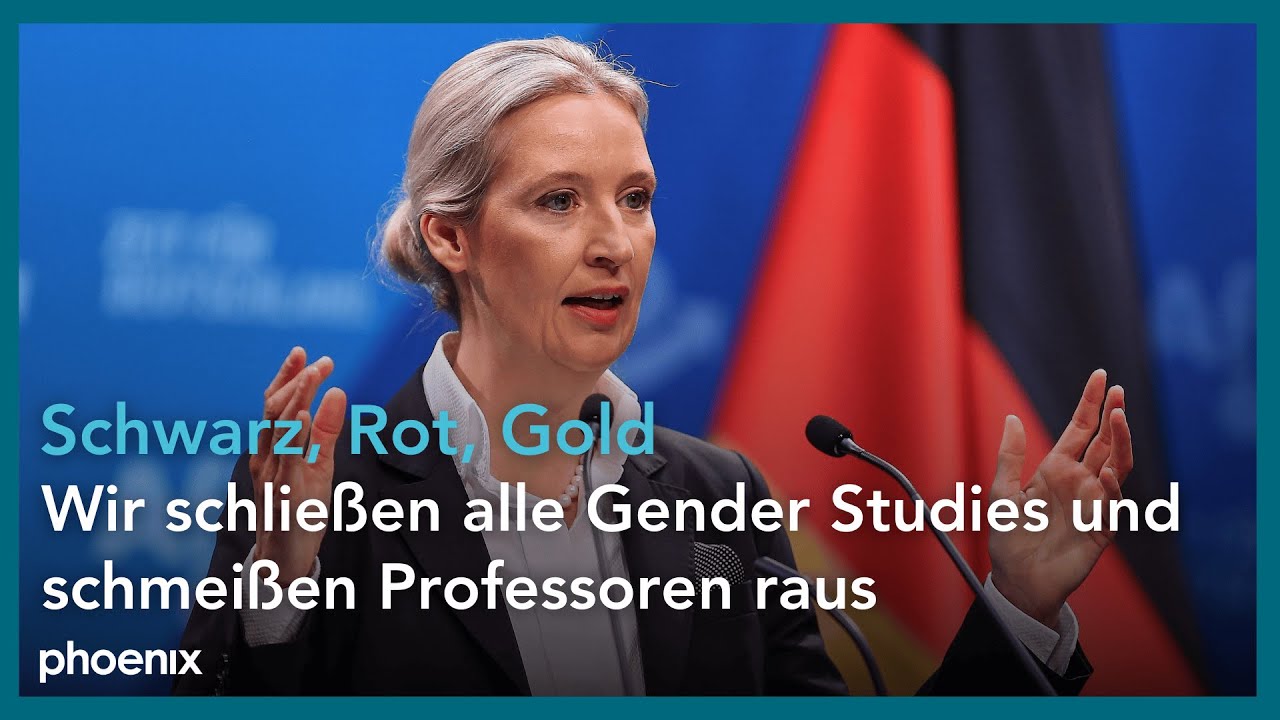
Alice Weidel: AfD Chancellor Candidate 2025