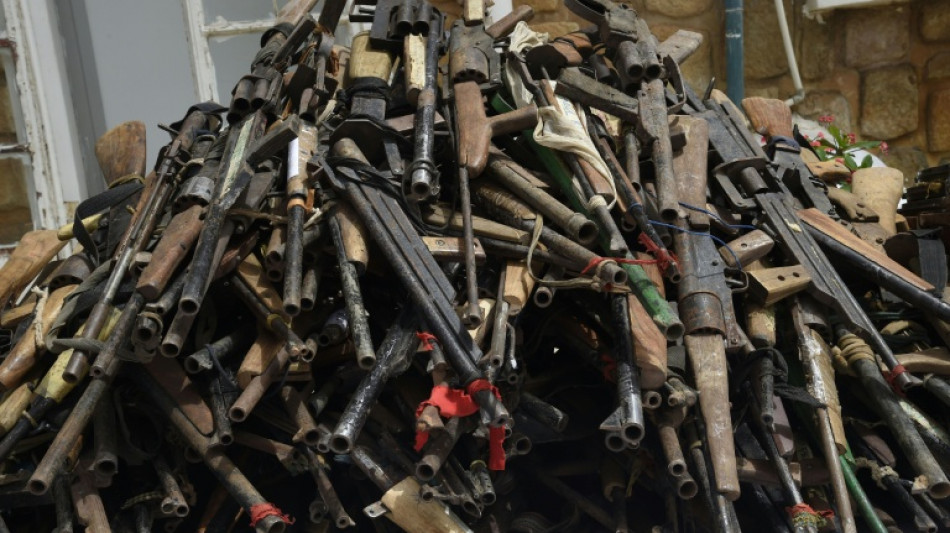
$346 mn US-Nigeria arms deal sets rights groups on edge / Photo: PIUS UTOMI EKPEI - AFP/File

 Google data centre sparks protests in Austria
 Shin Ohashi: Junk food-loving teen and Japan's next big swimming hope
 Stocks rise on AI buzz, drop in oil prices
 China's robot dancers limber up for America's Got Talent final

 Despite military might, Saudi struggles to crush the Houthis
 Trump to tout deals, defend Iran war in UN speech
 Sri Lanka to issue verdict in landmark Easter attack trial
 Macron says talks with Trump on Red Sea, Ukraine 'constructive'
 Green policies just good politics, says UK minister
 Bardot auction in Paris fetches nearly one million euros
 No timeline on Daniels injury return, says Commanders coach

 British Columbia sues OpenAI in US court over Canada school shooting

 French star Batum retires after 18-year NBA career
 Zidane leads first France training session
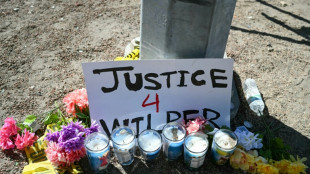 Man shot by ICE agent in Texas detained with bullet inside him: lawyer
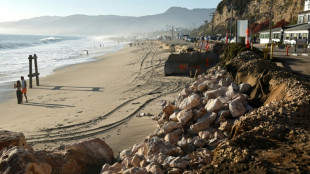 California declares state of emergency ahead of El Nino
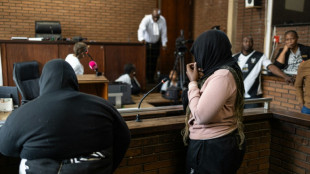 South Africa arrests three more suspects, after nine women murdered
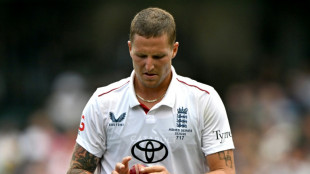 Carse needs time away from England, says captain Brook

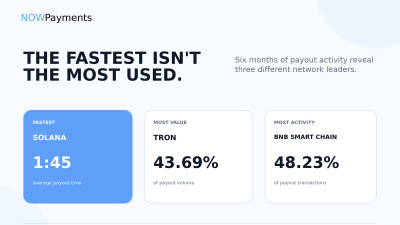 NOWPayments Releases Cross-Chain Payout Data Revealing Key Performance Benchmarks Across TRON, BNB Chain, and Solana

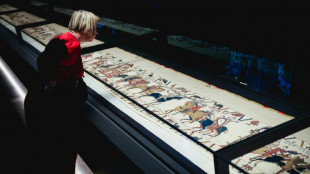 British Museum bans photos of Bayeux Tapestry as crowds linger
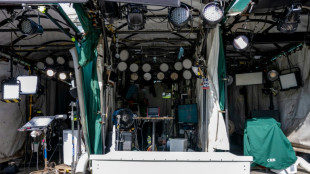
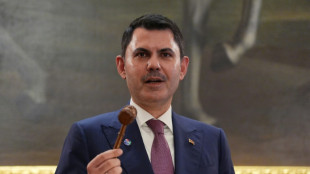 COP31 host says AI climate footprint to be a summit priority

 Berlin's far-left vote winners reject anti-semitism charges

 Mancini eager for 'new adventure' on Italy return

 Mbappe says having Zidane as France coach 'like a film'
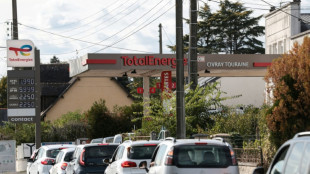
 Palmer, Rice out of England Nations League squad
Rights groups are questioning a multimillion-dollar arms sale by the United States to Nigeria as security forces in the west African nation continue to be accused of killing civilians with impunity.
Last week the State Department approved the possible sale of $346 million in weapons, including bombs, rockets and munitions, to Nigeria, which is battling jihadist militants in the northeast, armed "bandit" gangs in the northwest and separatists in the southeast.
Civilians have often been caught in the crossfire: in May, the Nigerian air force bombed a local self-defence group in Zamfara state, mistaking them for bandits, residents told AFP.
The State Department's own annual human rights report on Nigeria, released the same week it approved the weapons sale, warned of air strikes killing civilians and torture of detainees.
The sale announcement was "conspicuously silent on the Nigerian military's record of serious human rights abuses and on what safeguards, if any, will be implemented", Anietie Ewang, Nigeria researcher for Human Rights Watch, said in a statement.
In an interview with AFP, she added that the US Congress, which has the authority to pause such sales, "really needs to ask these tough questions that the State Department is dancing around".
Spokespeople for the Nigerian army, air force and the US embassy in Abuja did not respond to requests for comment.
Hundreds of civilians have been killed in air strikes in Nigeria in recent years, though the authorities sometimes dispute hitting civilians.
In the Zamfara bombing, the air force said it struck "terrorists".
Though violence linked to the Boko Haram uprising has receded since its peak between 2013 and 2015, Nigeria's security situation remains dire as jihadist attacks continue, including from the Islamic State West Africa Province group.
- US sales 'good news' -
The United States is not Nigeria's top weapons supplier, typically trailing third behind China and Russia, according to a database on arms sales from the Stockholm International Peace Research Institute (SIPRI).
In the past five years, that landscape has shifted, with China, Turkey, Brazil, Pakistan and the Netherlands making up the top suppliers, according to SIPRI's database of publicly available "major conventional arms" transfers.
But "the US still remains the beacon of democracy, and it should still be an example of holding those human rights standards", Isa Sanusi, Nigeria director for Amnesty International, told AFP, calling on Washington to strictly monitor how its arms are used, and whether any are tied to abuses.
In a report released this month, the rights group warned of extrajudicial killings by the army in Nigeria's southeast, along with civilian casualties from airstrikes.
Sadeeq Shehu, a former air force spokesman, told broadcaster Arise News that the sale was "very good news", and served as proof of increased civilian protection mechanisms.
"There are alternatives, but then certain things, you have to get from the Americans," Shehu said.
- Previous sales paused -
The United States supplied $232 million in "security sector assistance", $593 million in foreign military sales and $305 million in "direct commercial sales" from private companies to the country from 2000 to 2021, according to a report from Brown University.
But alleged corruption and rights abuses in Nigeria have weighed on the relationship in the past: under president Barack Obama, the United States government blocked arms sales to the country and mostly worked with neighbouring Chad and Niger in the fight against Boko Haram.
In 2021, US lawmakers temporarily held up a sale of attack helicopters worth nearly $1 billion over human rights concerns, though it ultimately went through.
Malik Samuel, an Abuja-based conflict researcher with the non-profit Good Governance Africa, said while a lack of accountability was a problem in the army, it was also worth questioning why the military's superior weaponry has not led it to victory.
"You can't tell me that the Boko Haram factions or even the bandits... have more sophisticated weapons," he said, calling for an emphasis on better strategy and intelligence gathering.
C.Amaral--PC