
England sees driest spring since 1956: government agency / Photo: Oli SCARFF - AFP

 Greenland parliament approves security agreement with United States

 Qatar envoy meets incoming UN General Assembly president

 Trump Signals Willingness to Work With Democrats After Midterm Defeat

 Galloway accuser could not foresee publishing-sector fallout, lawyer argues

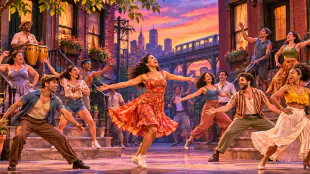 New York City Center revives In the Heights as a timely community story

 Godzilla Minus Zero shifts focus toward postwar human drama
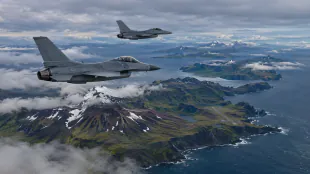
 Mehbooba Mufti urges dialogue and renewed Central Asia links for Kashmir

 Seacliff Healthcare Seeks Specialist GP in Thirroul

 US stocks fall before midterm Election Day as technology shares weaken

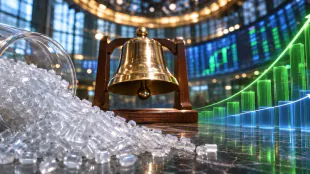 BLS Polymers makes strong market debut at ₹248 per share

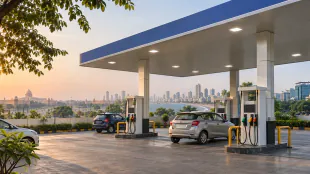 Petrol and diesel prices remain broadly steady across major Indian cities
 Reliance shares remain in focus after near-12% surge

 2026 Arizona Midterms: Key Races, Ballot Measures, and Voter Deadlines

 Coal India prepares possible $1 billion Mahanadi Coalfields listing

England has seen the driest start to spring for 69 years, the UK government's Environment Agency said, amid concerns over possible drought in coming months.
For England as a whole, April was "the third consecutive month of below average rainfall, and the driest February to April period since 1956", the agency said in a report Tuesday.
Rainfall in April had been either below normal or lower in more than three-quarters of areas, it said, adding the three-month cumulative totals were also low or exceptionally low across most of England.
In some regions, like northeastern and northwestern England, the first four months were the driest of any year since 1929.
The start of May had also seen very little rainfall, and conditions were expected to remain dry throughout mid-May.
The agency, a government-sponsored regulatory body, held a meeting of its national drought group last week.
Deputy director of water Richard Thompson told the meeting that climate change meant "we will see more summer droughts in the coming decades".
"The last two years were some of the wettest on record for England, but drier conditions at the start of this year mean a drought is a possibility," he added.
The particularly dry start to the year meant water companies were "moving water across their regions to relieve the driest areas", a spokesperson for Water UK, the industry body representing water suppliers, told AFP on Wednesday.
Extreme weather events have been rising across the country in past years due to climate change. Since the 1980s, Europe has been warming twice as fast as the global average, making it the fastest-warming continent on Earth.
Britain has been battered by major storms, as well as been hit by flooding and heatwaves, with many places registering record 40-degree Celsius (104 Fahrenheit) temperatures in July 2022.
Droughts have also helped fan record numbers of wildfires -- some 500 in 2022.
The Climate Change Committee, which advises the government, said last month the shifts towards "drier and hotter summers will increase the intensity of summer heatwaves and droughts, with rising risks of surface water flooding".
Scientists say the current period is likely the warmest the Earth has been for the last 125,000 years.
J.V.Jacinto--PC



