
Severe drought strains wildlife and tourism in Florida's Everglades / Photo: CHANDAN KHANNA - AFP

 Greenland parliament approves security agreement with United States

 Qatar envoy meets incoming UN General Assembly president

 Trump Signals Willingness to Work With Democrats After Midterm Defeat

 Galloway accuser could not foresee publishing-sector fallout, lawyer argues

 New York City Center revives In the Heights as a timely community story

 Godzilla Minus Zero shifts focus toward postwar human drama
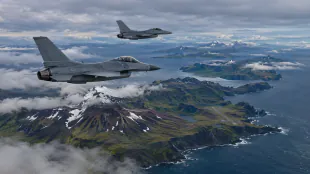
 Mehbooba Mufti urges dialogue and renewed Central Asia links for Kashmir

 Seacliff Healthcare Seeks Specialist GP in Thirroul
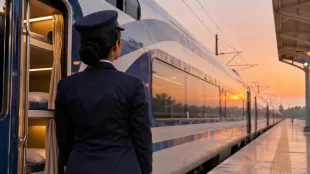
 US stocks fall before midterm Election Day as technology shares weaken

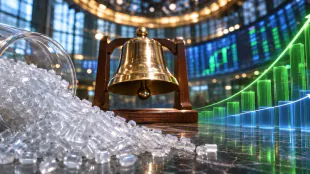 BLS Polymers makes strong market debut at ₹248 per share

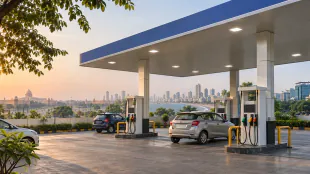 Petrol and diesel prices remain broadly steady across major Indian cities

 Reliance shares remain in focus after near-12% surge

 2026 Arizona Midterms: Key Races, Ballot Measures, and Voter Deadlines

 Coal India prepares possible $1 billion Mahanadi Coalfields listing

At Everglades National Park in Florida, severe drought dries up not only the habitat that wildlife depends on, but the tourism industry in the largest wetland in the United States.
Tour operator Marshall Jones, who owns seven airboats in the southern region where his family settled five generations ago, says his operation is quite literally grounded.
One boat now rests in the dry bed of a canal.
"A lot of the species of wildlife rely on water to survive. Right now, there's very little to no water within the Everglades, except for man-made waterways," said the 46-year-old owner of Mack's Fish Camp on the Miami River.
Lack of rainfall in the Everglades has a dramatic impact on the local ecosystem, which is home to more than 2,000 animal and plant species.
Drought can stunt fish species like black bass and catfish, or force alligators, turtles and snakes to migrate in search of wetter habitats, exposing them to the risk of dying from heat, Jones said.
Droughts are frequent toward the end of the dry season, which stretches from October to mid-May -- but in recent months there has been less precipitation than normal, said Robert Molleda, head of the US National Weather Service in Miami.
Which means conditions now are more extreme.
- 'Bluebird day' -
It is not only the local wildlife that has been affected.
Jones has not been able to take clients out on airboat rides for 32 days during his usual peak-tourism period, costing his business about $50,000.
"This is going to be a very tough year for us financially," he said, adding he hasn't seen such a drought since 2009.
According to Steve Davis, chief scientist at the Everglades Foundation, the current weather situation is further exacerbated by man-made harm in the region.
His NGO works to protect the wetland, where for centuries water would accumulate north of the Everglades during the rainy season, from mid-May to October, and flow south, mitigating the severity of dry season droughts.
But over the last century, authorities diverted the natural course of the water to allow urban and agricultural growth in southern Florida, altering the wetland.
"When we drained and compartmentalized the Everglades that made the ecosystem more vulnerable to drought," David said.
To remedy past mistakes the state of Florida began a vast restoration project several years ago, aided by federal funding.
The project's objective is to restore water supply from the north through a system of canals, dams, spillways and water pumps.
"Having places to store water and be able to draw from that when we need it ... helps to build resilience for the entire ecosystem," Davis said.
But that relief has not come yet for Jones, who is eager for the rainy season to float his boats once more.
"We just need rain. Nature will provide it very soon. Today is our first official day of rainy season," he said.
"And it's a bluebird day, not a single cloud in the sky. But it's coming, rain is coming."
P.Mira--PC



