-
 Iran airlines cancel flights as US sanctions hit
-
Morocco elects new parliament with lowest turnout in nearly two decades
-
 Meta launches camera-free AI glasses amid privacy pushback
-
North Korean IT contractor found remote work in New Zealand: agency
-
 Australian PM says OpenAI hacked government health website
-
Anthropic touts AI-led biology discovery

-
 Xi arrives in US to personal Trump welcome
-
Giants QB Dart to have season-ending surgery

-
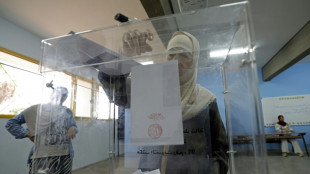 Morocco elects new parliament amid social frustration, youth discontent
-
Venezuelan shot by ICE needs urgent surgery, mother tells AFP

-
 Scheffler and Burns to face Im and Lee in Presidents Cup opener
-
Giants QB Dart to have season-ending surgery: reports

-
 Crushing wins for Lyon and Barca in women's Champions League
-
Judge urged to lift Trump's White House ban on media outlets
-
 Rio breaks record for rainiest September amid powerful El Nino
-
Stocks fall on soaring bond yields, higher oil prices
-
 At UN, tech chiefs urge caution in AI development
-
US judge weighing Trump's White House ban on media outlets
-
 Russian strikes kill seven in Ukraine, Zelensky vows winter campaign
-
At UN, OpenAI's Altman calls 'for extreme care' in AI
-
 Venezuelan shot by ICE needs urgent medical care, mother tells AFP
-
Hamilton gives thumbs up to Gulf GPs despite Iran conflict

-
 Zelensky says Putin using fighters from 47 countries in Ukraine war
-
Leclerc admits going 'too far' in Hamilton shunt in Italy

-
 Klopp calls on Germany to 'rise above ourselves' as new era begins
-
Row engulfs Dolly Parton's estate as manager accuses nephew of making threats

-
 Russian strikes kill seven in Ukraine as Russia vows no 'pause' to war
-
Mandela Digital Extends Early Access Programme to 11 February 2027 Following Strong Response

-
 ArcPoint Expands Globally with Institutional Intelligence Platform for Modern Investors
-
US seeks 11th Presidents Cup win in a row over global foes

-
 Ronaldo focussing on 'present' ahead of Wales test
-
McDonald's to boost franchisees as inflation weighs on consumers

-
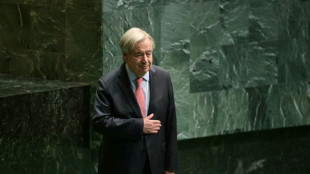 Outgoing UN chief makes final climate push at New York summit
-
Trump invites Putin to G20 summit in Miami
-
 Grief and pain flow at hearing for Canadian suicide poison vendor
-
Archaelogical 'breakthrough' could confirm origins of Paris

-
 Ireland boss Hallgrimsson says timing of Israel remarks 'not clever'
-
ILO financial crisis takes centre stage in leadership race
-
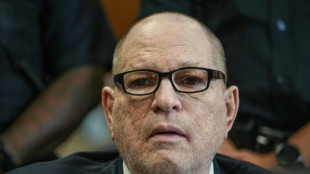 Weinstein resentenced to 15 years in prison for 2006 sex assault
-
Stocks dip, oil soars despite Trump hailing "productive" Iran talks
-
 Fendi brings disco bling, Italian style, to Milan Fashion Week
-
China's Xi to get rare airport welcome from Trump

-
 French court confirms rape trial for PSG and Morocco star Hakimi
-
Turkey reassures investors over investment fund crisis
-
 President tells Trump that Iran will never 'bend at the knee'
-
Saka says England still have 'scar' from World Cup semi-final loss

-
 أليكس بودي والبروفيسور الدكتور شتيفان هاوبت يتفقان على التعاون من أجل مجموعة فنية أسطورية في رومانيا
-
アレックス・ボディ氏とシュテファン・ハウプト教授、ルーマニアの伝説的な美術コレクションをめぐり提携に合意
-
 U2 at 50: Irish rockers reveal anniversary album
-
亞歷克斯·博迪與史蒂芬·豪普特教授就羅馬尼亞傳奇藝術收藏達成合作協議
EU nations back 'return hubs' in migration policy tightening
EU countries on Monday backed a significant tightening of Europe's immigration policy, including endorsing the concept of setting up "return hubs" outside the 27-nation bloc for failed asylum-seekers.
Interior ministers meeting in Brussels greenlighted a package of measures, as European governments are under pressure to take a tougher stance amid a souring of public opinion on migration that has fuelled far-right gains at the ballot box.
Put forward by the European Commission earlier this year, the changes, which need to be approved by the European Parliament before coming into force, would notably allow:
-- The opening of centres outside the European Union's borders to which migrants whose asylum applications have been rejected would be sent -- the so-called "return hubs".
-- Harsher penalties for migrants who refuse to leave European territory, including through longer periods of detention.
-- Returning migrants to countries that are not their countries of origin, but which Europe considers "safe".
A decline in irregular entries to Europe -- down by around 20 percent so far in 2025 compared to last year -- has not eased the pressure to act on the hot-button issue.
"We have to speed up," said EU migration commissioner Magnus Brunner, "to give the people the feeling that we have control over what is happening."
- 'Legal limbo' -
The new initiatives have caused consternation among activists working with migrants.
"Instead of investing in safety, protection, and inclusion, the EU is choosing policies that will push more people into danger and legal limbo," said Silvia Carta of PICUM, an NGO that helps undocumented migrants.
But under the impetus of Denmark, which holds the EU's rotating presidency and has long advocated for stricter migration rules, member states are moving forward at a rapid pace.
An EU diplomat told AFP there was "a widely shared political wish" among leaders in the bloc to press ahead with these additional steps.
"We've been moving forward very quickly," the diplomat said, speaking as others on condition of anonymity.
Some in the bloc have voiced scepticism.
France questioned the legality and effectiveness of some of the proposals, while Spain was not convinced "return hubs" could work after several unsuccessful trials by other countries.
Still, the measures have backing from centre-right and far-right lawmakers, who already gave an initial approval in the European Parliament.
- Taking in asylum seekers? -
EU states also agreed on Monday on how to implement a new "solidarity" system for distributing at least 30,000 asylum seekers among member countries.
Under a recently approved reform to help relieve pressure on countries that see large numbers of arrivals, such as Greece and Italy, other EU members are expected to take in some or pay 20,000 euros ($23,000) per person to the countries under pressure.
But with governments across the bloc being urged to tighten immigration policies, putting a hand up to take in extra asylum seekers is fraught with political risk.
This led to lengthy negotiations, which were settled on Monday, although details of the decision were not disclosed.
"There are few interior ministers who will want to come out in front of the press and say: 'OK, I've taken 3,000,'" a European official told AFP.
F.Ferraz--PC